Skip to content
One Fish Foundation
  • Blog
    • Aquaculture
    • Education
    • Environment
    • Policy
    • Wild Harvest
    • Fish Tales
  • About
    • About One Fish
    • About Colles Stowell
  • Education
    • Elementary School
    • Middle School
    • High School
  • KNOW FISH Dinners®
  • Resources
    • One Fish Podcast
    • One Fish Foundation in the news
    • The 7 C’s of Sustainable Seafood
    • Newsletter Archive
    • Recipes
      • Skate with Capers and Butter — Chef Rizwan Ahmed
      • Grandma Davis’ Fish Chowder — Jane Almeida
      • Ginger Garlic Tamari Scallops — Colles Stowell
      • Fish Stock — Evan Mallett
      • Mussels San Remo — Chef Rob Martin
      • Salted Pollock Croquettes – Chef Mark Segal
  • Connect
    • Contact OneFish
    • Social
      • Instagram
      • Facebook
      • Twitter
All Blog Posts

Fish Tales at Slow Fish 2016

  • January 28, 2016October 20, 2021
  • by Colles Stowell
Share it!
Share

I’ve had the privilege of connecting with various organizations on the front lines of fisheries issues, including Cape Ann Fresh Catch, Northwest Atlantic Marine Alliance, Gulf of Maine Research Institute, and others. I’ve recently been working with Slow Fish, the fisheries movement under the Slow Food organization, aimed at ensuring fair, affordable, local and sustainable seafood. As part of the promotion to shine a light on Slow Fish 2016, Gateway to the Americas (March 10-13) several people are blogging about their fisheries experiences. Read more “Fish Tales at Slow Fish 2016” →
All Blog Posts

Rising Temperatures Raising Global Warming Alarms

  • January 28, 2016October 20, 2021
  • by Colles Stowell
Share it!
Share

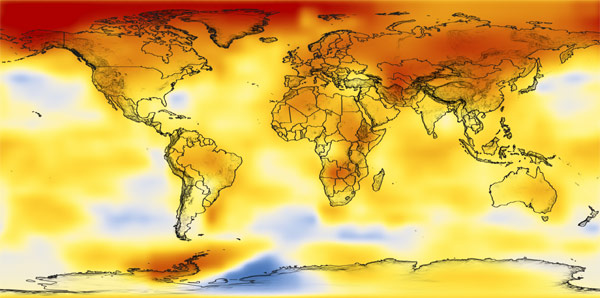
Summers in New Orleans can all but suffocate the uninitiated. The heat and humidity in August make a five block walk feel like a five mile run in normal conditions. The last time I experienced it for any length of time was in 1985, when I rode the streetcar to and from downtown for a summer job as an accounting clerk. After a couple of days of showing up drenched in my suit and tie, I began tucking my office clothes in a backpack and wearing shorts for the commute. Read more “Rising Temperatures Raising Global Warming Alarms” →

All Blog Posts

NOAA Opens Door to Aquaculture in the Gulf of…

  • January 16, 2016October 20, 2021
  • by Colles Stowell
Share it!
Share

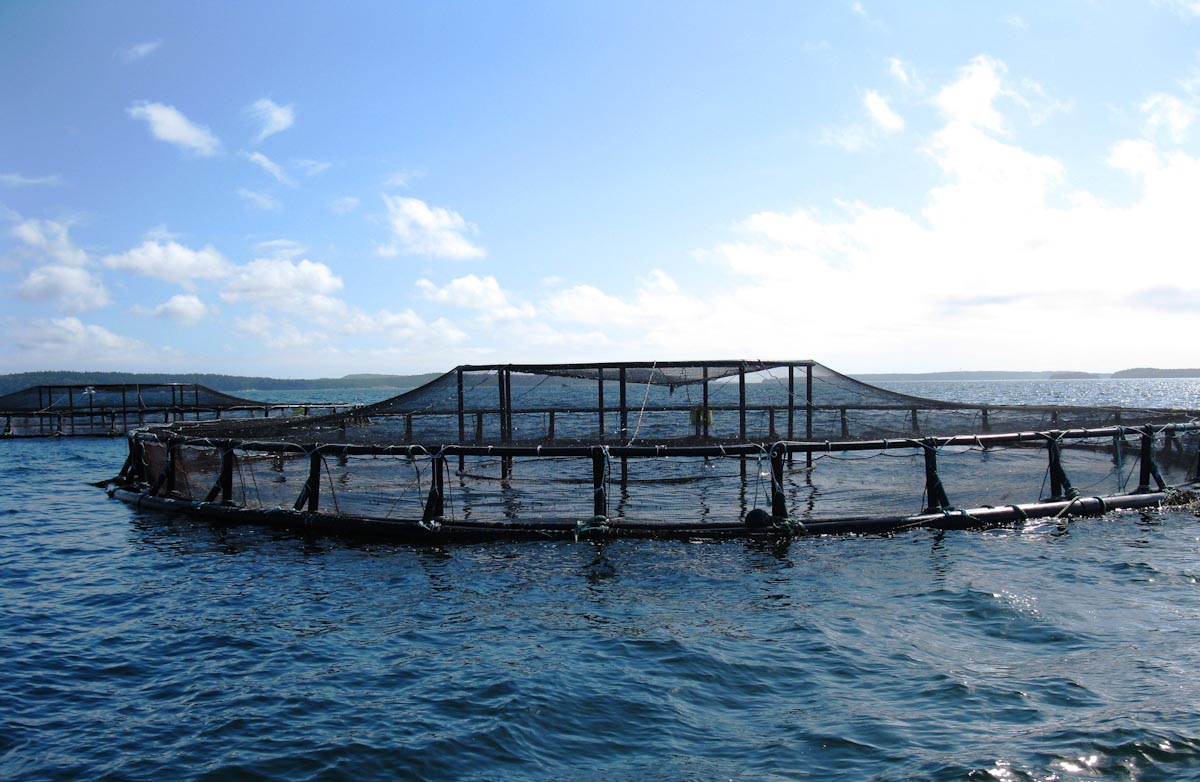
Federal regulators yesterday announced the country’s first regionally approved aquaculture management program in the Gulf of Mexico. The NOAA “final rule” essentially clears the way for private entities to begin fish and shellfish farming in U.S. federal waters (exclusive economic zone). According to the announcement, those operations must follow the fishery management plan established by the Gulf Coast Fishery Management Council. Read more “NOAA Opens Door to Aquaculture in the Gulf of Mexico” →

All Blog Posts

One Fish Foundation, 2016 Edition

  • January 11, 2016October 20, 2021
  • by Colles Stowell
Share it!
Share

Welcome to One Fish Foundation 2016!

Here’s hoping your 2015 was eventful, prosperous and fun.

It was certainly that for One Fish Foundation. The non-profit officially launched in March, the website went live in August, and classroom instruction began in October. Online visibility has grown steadily, and opportunities to spread the sustainable seafood message continue to arise.

Some of the 2015 blog highlights include:

  • a compelling look at the challenges of properly managing forage fisheries;
  • a review of the status of the Pebble Mine project proposed for the headwaters of the world’s largest wild salmon run;
  • accounts of classroom experiences with different age groups and the enthusiasm shown toward sustainable seafood;
  • new research on how to obtain more accurate fish and shellfish counts;
  • a study suggesting that eating smaller fish is better for the resource;
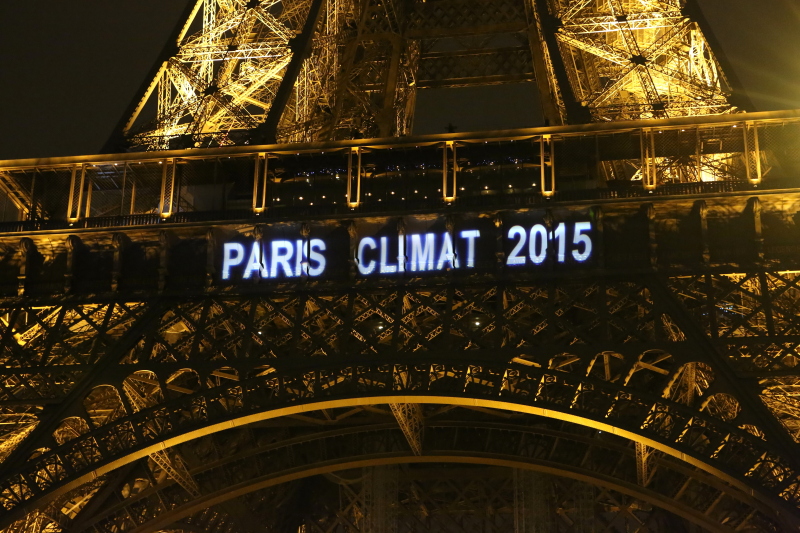
  • several blogs on new research showing how climate change affects everything from carbon sequestration in the arctic, to cod reproduction, as well as a blog highlighting the new global pact signed in Paris to fight global warming;
  • and a look at some of the hot button issues around GMO salmon, or “Frankenfish.”

As 2016 begins, the foundation is positioning itself to expand into more classrooms along Maine’s coast and south into New Hampshire and Massachusetts, broaden the curriculum, magnify its online presence and engage in more community dialogue about sustainable seafood. We will attend more industry conferences and science-based workshops, and stay current with frontline research and key decision makers.

And we will dig into some of the more critical, yet relevant issues surrounding seafood, its management, consumption and overall health for the One Fish Blog.

The One Fish Foundation mission continues to be the education of middle- and high-school students and their communities about why their informed decisions can make a difference in ensuring the seafood they eat is sustainable.

Come join us for the ride!

All Blog Posts

Paris Accord Sets Global Climate Change Commitment

  • December 15, 2015October 20, 2021
  • by Colles Stowell
Share it!
Share

Something happened in Paris on Friday that many thought wouldn’t.

Agreement.

Agreement by nearly 200 countries that climate change is a significant problem with short- and long-term global implications that we must address collectively. It was an uphill slog. Those countries signed a pact to reduce their carbon footprints and slow the pace of global warming in the coming century.

In a nutshell, after months and years of preparation, with weeks of hard back-and-forth negotiation culminating in two overnight sessions, nearly 200 countries agreed that:

  • Climate change exists and has the potential to do irreparable harm to the planet;
  • Global commitment to reduce greenhouse gases is critical to minimizing this harm;
  • Each country must commit to reducing carbon emissions, and revise those commitments to ever stricter standards every five years;
  • Each country must demonstrate what measures it has taken to cut emissions via a transparent process, every five years;
  • The goal is to keep the global temperature increase below 2 degrees Celsius, if not 1.5 degrees;
  • Forest preservation is critical to offsetting carbon emissions, and countries should enact policies to limit logging and save intact forests; and
  • Developed countries like the U.S., France, England, etc. should take the lead in providing funds for programs to reduce global carbon emissions, including those in developing countries.

Establishing a framework

To be sure, this is a first step. Conference organizers in Paris and elsewhere must have looked at this effort like herding cats. Coal gobbling countries like China, India and the U.S. have traditionally held different views on their responsibilities for and the extent of climate change. Smaller developing countries like the Marshall Islands, which are sounding the alarm bell that they’re losing ground…literally, have completely different views.

Such widespread agreement is monumental in the shadow of the failed 2009 climate agreement in Copenhagen. While the 2009 summit only suggested what to do, this accord is an almost Earth-wide acknowledgement that countries need to tackle this collectively, and a legally binding commitment to do so.

Will it stop global warming completely by on its own? No, say many scientists. The real tipping point would be to prevent the average global temperature increase from exceeding 2 degrees Celsius, or 3.6 degrees Fahrenheit. Scientists say that if global annual temperatures rise above 2 degrees, the planet will be past the point of repair, and the Greenland and West Antarctic ice sheets will melt, sea levels could rise 20 feet, etc.

But as written, this agreement will only limit global temperature rise by about 3 degrees Celsius if countries achieve their current emissions reductions commitments, according to some scientists. It’s far better than the status quo, which is on track to bring an increase of more than 4 degrees Celsius and potential catastrophe. Still, on the new path the oceans will continue to rise, and polar caps will continue to melt, only at a slower pace.

To meet the agreement’s goal of avoiding damaging climate change, the nations of the world must step up the ambition of their cuts over time. The pact is voluntary for countries to strive for that 2 degree goal. What is legally binding is that each country commits to some kind of carbon emissions reduction, that they commit to continuing to reduce emissions more significantly every five years, and that they demonstrate what they have done, again every five years.

One of the biggest reasons the Paris agreement does not specify benchmarks for each country is that the United States Congress would have to vote on such a measure. And the Republican-controlled U.S. Senate would have nixed any such wording. Interestingly, the U.S. Republican party is the only political party in a study of nine developed countries that flat out denies “anthropogenic climate change.” More interestingly, the study suggests that opposition to addressing climate change is strongest in countries with large reserves of oil, natural gas, and/or coal (all of which the U.S. has in abundance).

Reason for optimism

Though it will not stop global warming, this binding agreement sets a precedent for global cooperation to combat climate change and hold each other accountable. Five years ago, this seemed like an impossible task. It also hopefully creates momentum to bring the discussion to the forefront of critical diplomatic and business discussions. It sends a signal that fossil fuels do more harm than good, and should stay where they are. It will force countries to start thinking harder about developing infrastructure for alternative energy, and create a path for industries and investors to spur innovation to scale up clean energy.

And perhaps it sets a framework for more aggressive action on a global scale if the scientific evidence shows our climate is changing faster than predicted.

I’m going to teach middle school students this week about how the warming Gulf of Maine has become home to some invasive species. The European Green Crab, for example, is a warm-water invader that has been showing up in increasing numbers for the past couple of decades. It eats larval shellfish like clams, mussels and oysters. It also destroys eelgrass habitats that are nurseries for many species.

Those kinds of invasive migrations are likely to continue for a while. But I look forward to capping off the classes with a ray of hope offered by the events in Paris last Friday.


Here’s some additional reading:

Science Alert: Here’s what you need to know about the new Paris climate deal

National Geographic: Paris Agreement Catalyzes Global Cooperation Toward a Low-Carbon Future

New York Times: Climate Accord Is a Healing Step, if Not a Cure

BBC: What did the Copenhagen climate summit achieve?

2012 Republican Party Platform

All Blog Posts

Climate Change: Setting the Wrong Records

  • October 29, 2015October 20, 2021
  • by Colles Stowell
Share it!
Share

Not surprisingly, the latest global climate stats are discouraging. Last September was the warmest September of combined global land and ocean temperatures during the 136-years of recorded climate history. According to the report from the NOAA National Centers for Environmental Information, this is the fifth consecutive month of setting such an ignominious record.

Here are a couple of “high”lights:

  • 2015 was 1.62°F above the 20th century average of 59.0°F. The previous record was Sept. 2014.
  • 2015 was the highest departure from average for any month in 1,629 months since the record began in January 1880.
  • Global sea surface temperatures were 1.46°F above the 20th century average of 61.1°F, the highest departure for September on record. Scientists attribute this to powerful El Niño conditions.
  • The first nine months of 2015 comprised the warmest such period on record across the world’s land and ocean surfaces, at 1.53°F above the 20th century average, surpassing the previous records of 2010 and 2014 by 0.21°F.
  • Precipitation varied widely globally, with some places like Australia getting much less rain than normal, while some areas in Northwest Africa and Eastern Europe getting 200% of normal rainfall.

What does all of this mean? It means the climate is warming faster than we’ve anticipated in the past, particularly as the range of temperature increases above normal are getting higher. It means this global warming trend is going to continue unless we take some serious steps to curtail greenhouse gas emissions and other manmade climate change factors.

Warming oceans could change how, where and even if we find traditionally local seafood here in New England. The Gulf of Maine is warming faster than most ocean areas on the planet. This trend could force lobsters to move farther north and east to cooler waters, making it more expensive and time-consuming to fish them. Lobster fisheries could effectively shut down in some areas, as has been the case in Long Island sound and around Cape Cod.

I attended a workshop last year about how to better predict climate change impacts on fisheries. The upshot? We need to act now, and collaboratively among scientists, policy makers, fishermen and community activists to figure out a plan to adapt to climate change, and perhaps slow its progress.

Here are some additional resources about the trend:

NOAA Climate Science Strategy

Union of Concerned Scientists: Climate Hot Map

NOAA: What is El Niño?

Climate Nexus


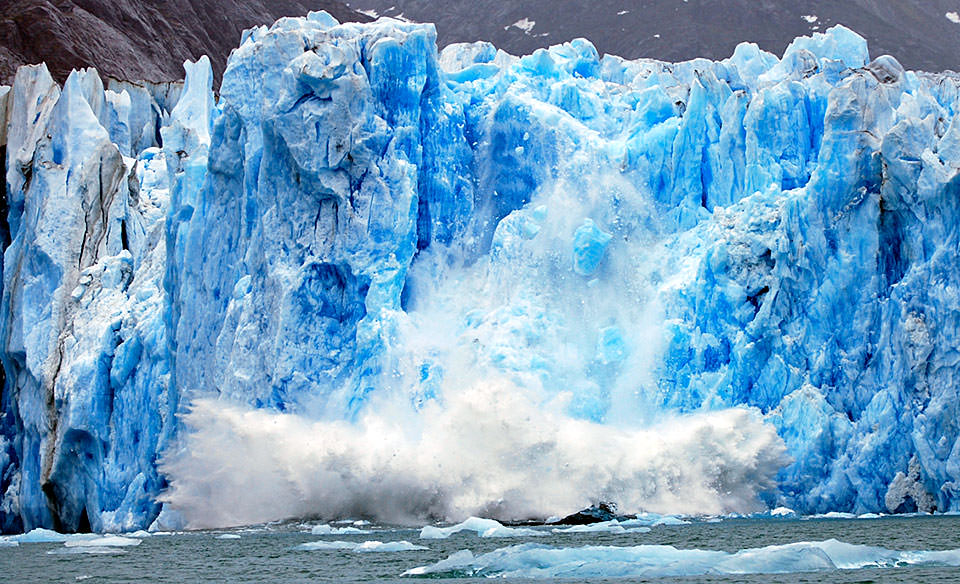
Photo: Calving glaciers are telltales of global warming.

Credit: NOAA

All Blog Posts

Sustainable Seafood Class Is in Session

  • October 26, 2015October 20, 2021
  • by Colles Stowell
Share it!
Share

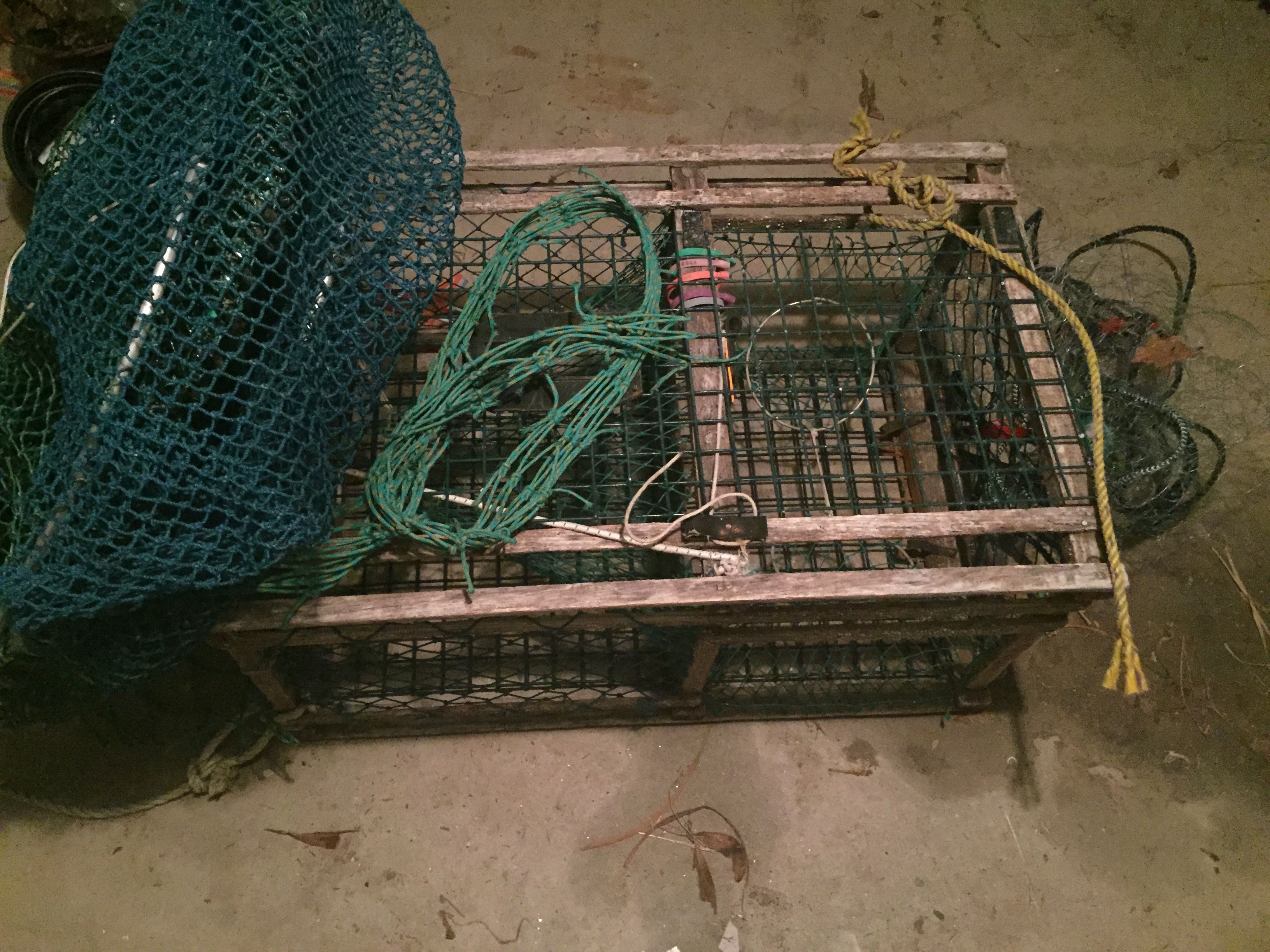
Lobster trap? Check.

Gillnet? Check.

Turtle excluder device? Check.

I’m going in.

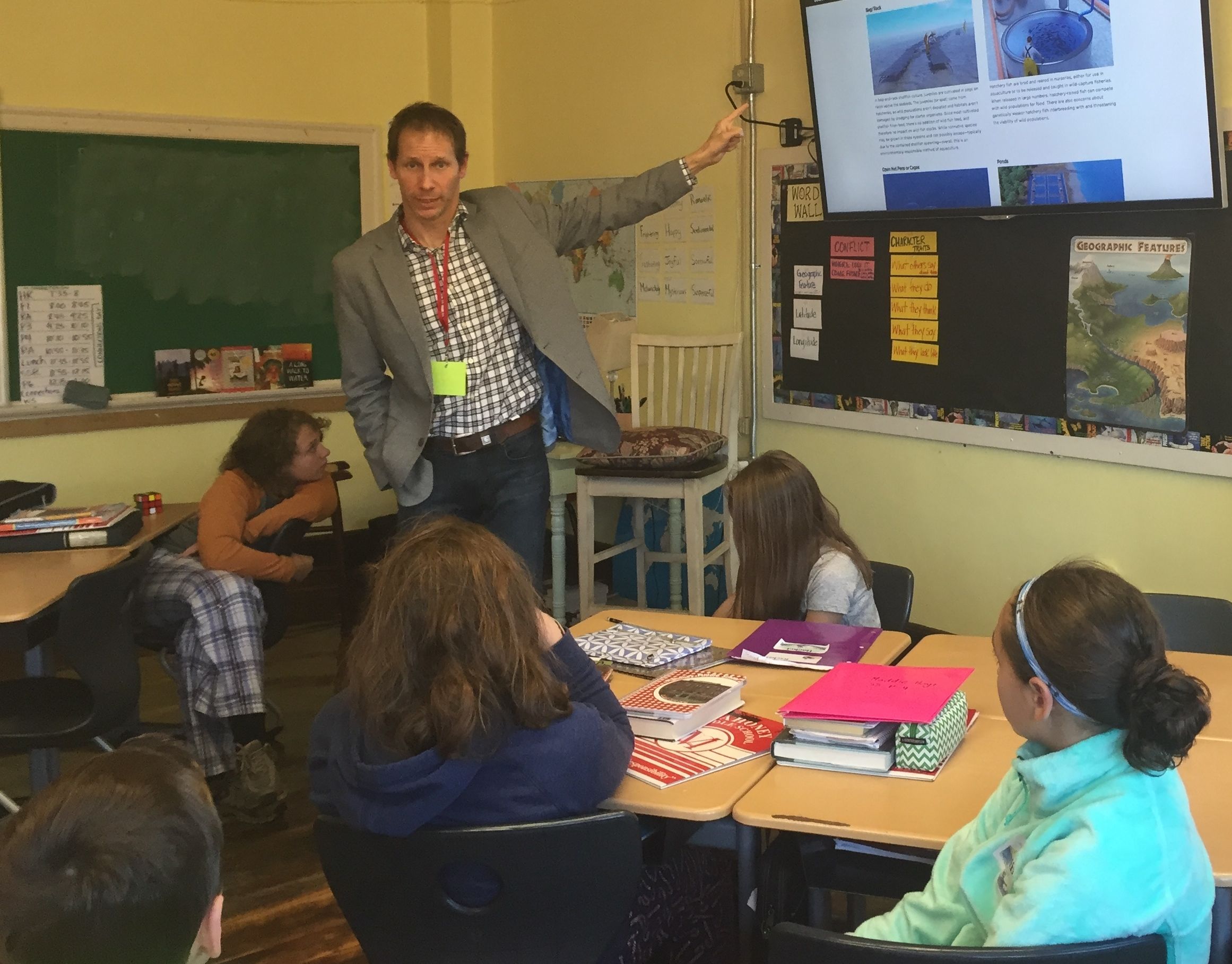
Tomorrow One Fish Foundation is headed to the Mahoney Middle School in South Portland to talk to 6th grade Geography students about sustainable seafood.

I think back to the moment a couple of years ago when I first thought about telling students where seafood comes from and how it gets on their plates. I had just served as an “expert” listening to the in-depth sustainability expeditions of 9th graders at the Casco Bay High School for Expeditionary Learning in Portland Maine. The school steeps students in long-term, real-life projects called expeditions, which are focused on a single topic.

I was blown away.

One minute into the first student’s description of his research into the 2014 closure of the Maine shrimp season I realized this curriculum was more creative, more compelling and more rigorous than anything I faced in the early 80s. The student eloquently and accurately explained the reason for the closure – an Atlantic States Marine Fisheries Commission ASMFC decision based on the precipitous drop in landed shrimp in 2012 and 2013. He also pointed to research from the Gulf of Maine Research Institute and other sites suggesting that warmer water fueled by climate change, along with a decrease in phytoplankton and increased predation may have affected reproduction and survival rates.

This 14-year-old had done much of the same research I had done, and he had the interest and drive to keep digging for answers to questions like: What is the cause? What is the sustainable solution? How do we learn from past lessons?

I came away from the experience enlightened, jealous (that I didn’t have that experience in school) and motivated. I’d been writing about sustainable seafood and sustainable fisheries for four years. Why not bring those messages into classrooms where kids are beginning to ask questions about where food comes from, and what they can do to learn more?

So here I am, putting the finishing touches on a lesson plan that will ask 10- and 11 year-olds to think about how their local geography dictates what seafood is available to them, how some of that seafood is caught, and which seafood is abundant. Most importantly, I want to get them confident enough to ask questions in stores and restaurants, and to perhaps even discuss with their families why making sustainable choices is important.

If I can achieve that, I’ll have succeeded.

All Blog Posts

Cultivating the American Seafood Narrative

  • October 7, 2015October 20, 2021
  • by Colles Stowell
Share it!
Share

We need to take back the 90%. That was the rallying cry of sorts at the East Coast Seafood Forum held yesterday at the National Aquarium.

That 90% represents the amount of seafood consumed in the U.S. that has been imported from other countries. Brett Veerhusen, executive director of Seafood Harvesters of America, underscored the point that everyone in attendance knew: Importing that much seafood with the resources available domestically is unacceptable. Read more “Cultivating the American Seafood Narrative” →

All Blog Posts

Fisheries Managers Open Door to Privatizing the Ocean

  • October 2, 2015October 20, 2021
  • by Colles Stowell
Share it!
Share

I’m too often reminded of why politics is pure frustration. Forget about presidential elections (go ahead, try), I’m talking about down-in-the-dirt politics — the process where elected officials discuss public policies ad nauseum. As a reporter, I used to marvel at how often those discussions and votes flew in the face of public consensus. Read more “Fisheries Managers Open Door to Privatizing the Ocean” →

All Blog Posts

DNA Sampling Next Frontier in Fish Counts

  • September 15, 2015October 20, 2021
  • by Colles Stowell
Share it!
Share

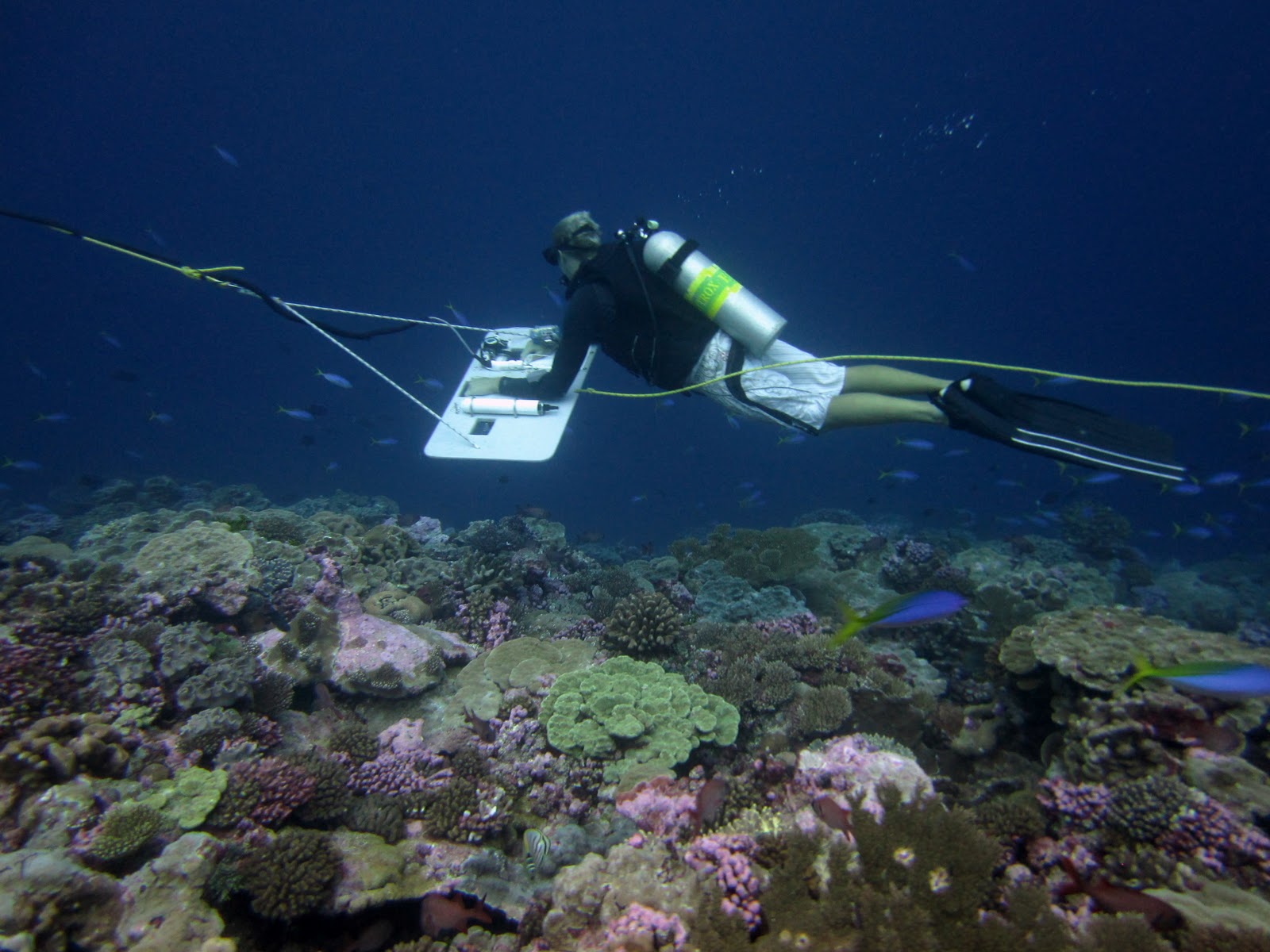
Keeping track of marine ecosystem health is expensive, as discussed in the last blog about the NOAA observer program. Monitoring what species are swimming or living where, and in what numbers often means teams of divers counting individual organisms in defined grids over a period of time. This provides a limited view because of the tiny section of ocean surveyed and just a brief window on activity in that grid at any time. And it costs a lot of money. Other approaches include dredging the ocean bottom to see what comes up, which doesn’t do the seafloor any favors. Read more “DNA Sampling Next Frontier in Fish Counts” →

Posts pagination

1 2

Recent Posts

  • Hurricane Ida wreaks havoc on Louisiana’s seafood industry
  • EPA Should Use Clean Water Act To Kill Zombie Mine
  • Slow Fish 2021: Relationship Matters
  • Faith, Façades, and Futility
  • Pebble Permit Paused: Politics at Play

Archives

  • September 2021
  • August 2021
  • April 2021
  • December 2020
  • August 2020
  • June 2020
  • February 2020
  • December 2019
  • November 2019
  • October 2019
  • July 2019
  • May 2019
  • April 2019
  • March 2019
  • January 2019
  • December 2018
  • November 2018
  • June 2018
  • May 2018
  • March 2018
  • February 2018
  • January 2018
  • December 2017
  • November 2017
  • October 2017
  • September 2017
  • August 2017
  • July 2017
  • June 2017
  • May 2017
  • April 2017
  • March 2017
  • January 2017
  • December 2016
  • November 2016
  • October 2016
  • September 2016
  • August 2016
  • July 2016
  • June 2016
  • May 2016
  • April 2016
  • March 2016
  • February 2016
  • January 2016
  • December 2015
  • November 2015
  • October 2015
  • September 2015
  • July 2015
  • June 2015
  • May 2015
  • April 2015
  • March 2015
  • February 2015
  • January 2015
Theme by Colorlib Powered by WordPress