Skip to content
One Fish Foundation
  • Blog
    • Aquaculture
    • Education
    • Environment
    • Policy
    • Wild Harvest
    • Fish Tales
  • About
    • About One Fish
    • About Colles Stowell
  • Education
    • Elementary School
    • Middle School
    • High School
  • KNOW FISH Dinners®
  • Resources
    • One Fish Podcast
    • One Fish Foundation in the news
    • The 7 C’s of Sustainable Seafood
    • Newsletter Archive
    • Recipes
      • Skate with Capers and Butter — Chef Rizwan Ahmed
      • Grandma Davis’ Fish Chowder — Jane Almeida
      • Ginger Garlic Tamari Scallops — Colles Stowell
      • Fish Stock — Evan Mallett
      • Mussels San Remo — Chef Rob Martin
      • Salted Pollock Croquettes – Chef Mark Segal
  • Connect
    • Contact OneFish
    • Social
      • Instagram
      • Facebook
      • Twitter
All Blog Posts

Climate Change Hampering Cod Recovery, Study Says

  • October 31, 2015October 20, 2021
  • by Colles Stowell
Share it!
Share

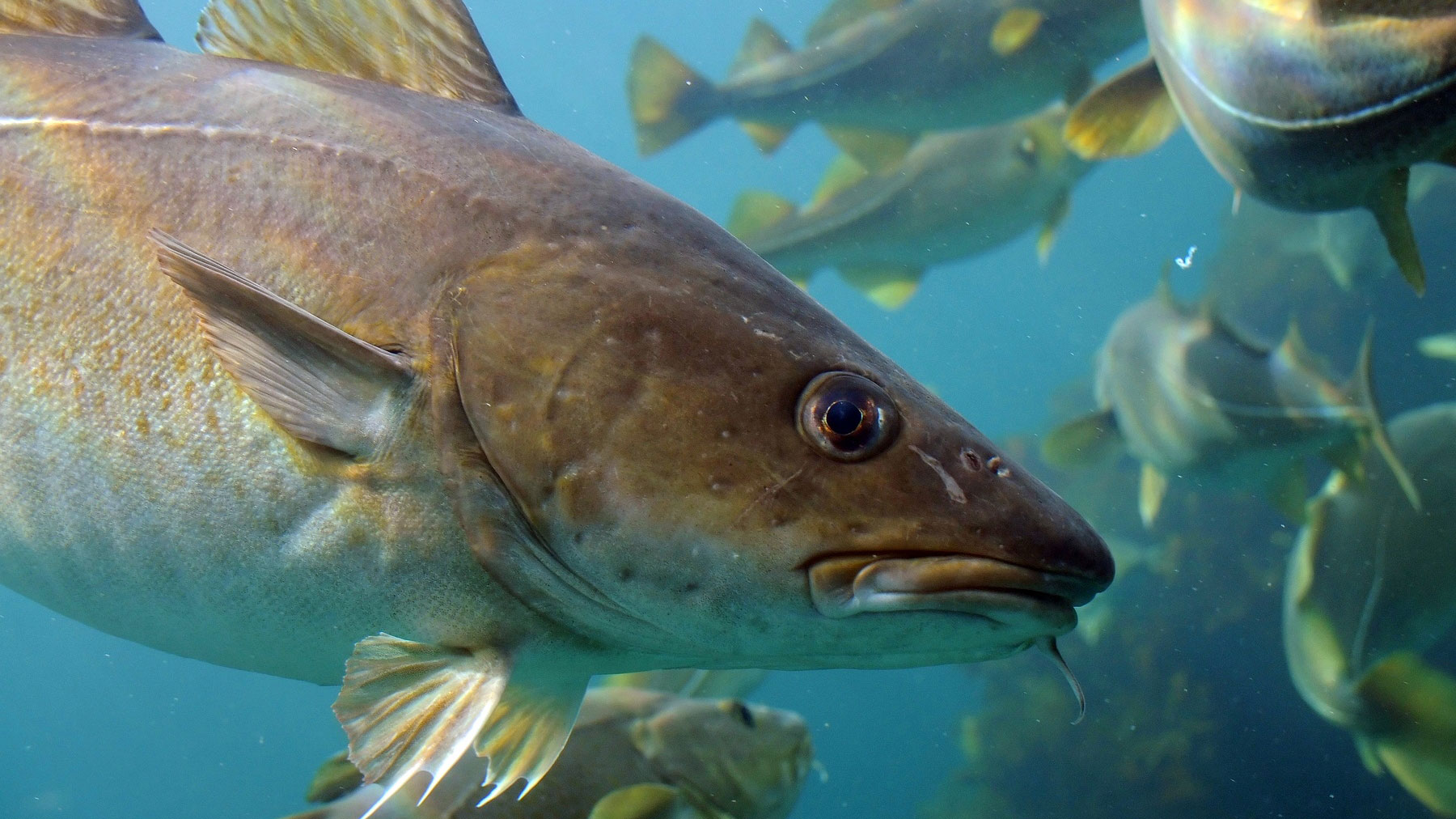
Cold water species like cod don’t like warm water. This we knew. What we didn’t know for sure was just how much. While there are still many questions, a new study published in the journal Science suggests that the warming Gulf of Maine is largely responsible for the inability of cod populations to recover.

For the past five years, environmentalists and some marine scientists have sounded the alarm that Atlantic cod populations have plummeted below the ability to recover from historic harvest levels. They worried adults would not reproduce enough to maintain healthy stocks in the face of such harvests.

Now scientists believe the warming temperatures in the Gulf of Maine are making life very difficult for juvenile cod. The Gulf of Maine, which runs from Cape Cod up to the tip of Nova Scotia, is warming faster than 99% of the world’s oceans, at a rate of .4 degrees F from 2004 to 2013, or nearly half a degree a year for 10 years.

That warmer water has coincided with a dramatic drop in the number of cod that survive to be adults. Scientists now speculate that food for juveniles, temperature-related stress and the growing number of predators brought in by the warmer water may play a role. They suggest that warmer waters may have caused a drop in some of the zooplankton the larval cod feed on.

Of note in the Science article are a couple of not-so-veiled accusations that fisheries managers didn’t react quickly or as aggressively as they should have to reduce the cod harvest in time to allow it to bounce back. The study’s authors, from the Gulf of Maine Research Institute and 11 other institutions, claim that while previous studies pointed to the damage warmer waters could do to cod reproduction and harvest levels, the fishing quota system and subsequent area closures last year were too little too late.

Additionally, the study suggests that going forward, fisheries managers need to take climate change and ocean warming further into account if they want to establish meaningful regulations.

I agree. Here’s why. The warmer climate has attracted some non-native species that alter the existing ecosystem balance. Invasive green crabs are moving north and having a devastating effect on young shellfish like mussels and clams, and they’re destroying the eelgrass habitats – crucial nurseries for a variety of fish and shellfish.

Black sea bass, typically a mid-Atlantic species, are showing up in lobster pots throughout northern New England. Researchers have found young lobsters in black sea bass bellies. Blue crabs so dear to Chesapeake Bay are now showing up in New England as well. Turns out they seem to chase the green crabs around and perhaps eat them. There’s also an Asian sea squirt that is blanketing large seafloor swaths, choking out native colonies of mussels, sea sponges and other organisms.

These are just some of the new players we know of. The Gulf of Maine is fast becoming a canary in a coalmine regarding climate change impact on marine ecosystems. It is an unwilling test case on what happens when environmental changes alter everything from migration patterns to predator-prey relationships. And as this study suggests, these changes have occurred more quickly than fisheries managers have reacted, creating situations where they’re effectively putting out fires rather than preventing them.

I attended an informative workshop last year in which scientists, fishermen, policy makers and activists discussed how to better predict climate change impacts and how to translate that into better management policies and better communication with fishermen. This was a very productive meeting, and one that needs to happen more frequently and with more stakeholder involvement. It bears repeating that more collaboration with all parties is essential to finding solutions to climate-induced marine ecosystem changes.

Here are some additional resources:

Portland Press Herald: has had a very well researched six-part series on this issue. It’s worth the read.

The Boston Globe: Story on the journal Science report.

NOAA report on current global temperature records.


photo: © Joachim S. Mueller for Pew Trusts
All Blog Posts

Climate Change: Setting the Wrong Records

  • October 29, 2015October 20, 2021
  • by Colles Stowell
Share it!
Share

Not surprisingly, the latest global climate stats are discouraging. Last September was the warmest September of combined global land and ocean temperatures during the 136-years of recorded climate history. According to the report from the NOAA National Centers for Environmental Information, this is the fifth consecutive month of setting such an ignominious record.

Here are a couple of “high”lights:

  • 2015 was 1.62°F above the 20th century average of 59.0°F. The previous record was Sept. 2014.
  • 2015 was the highest departure from average for any month in 1,629 months since the record began in January 1880.
  • Global sea surface temperatures were 1.46°F above the 20th century average of 61.1°F, the highest departure for September on record. Scientists attribute this to powerful El Niño conditions.
  • The first nine months of 2015 comprised the warmest such period on record across the world’s land and ocean surfaces, at 1.53°F above the 20th century average, surpassing the previous records of 2010 and 2014 by 0.21°F.
  • Precipitation varied widely globally, with some places like Australia getting much less rain than normal, while some areas in Northwest Africa and Eastern Europe getting 200% of normal rainfall.

What does all of this mean? It means the climate is warming faster than we’ve anticipated in the past, particularly as the range of temperature increases above normal are getting higher. It means this global warming trend is going to continue unless we take some serious steps to curtail greenhouse gas emissions and other manmade climate change factors.

Warming oceans could change how, where and even if we find traditionally local seafood here in New England. The Gulf of Maine is warming faster than most ocean areas on the planet. This trend could force lobsters to move farther north and east to cooler waters, making it more expensive and time-consuming to fish them. Lobster fisheries could effectively shut down in some areas, as has been the case in Long Island sound and around Cape Cod.

I attended a workshop last year about how to better predict climate change impacts on fisheries. The upshot? We need to act now, and collaboratively among scientists, policy makers, fishermen and community activists to figure out a plan to adapt to climate change, and perhaps slow its progress.

Here are some additional resources about the trend:

NOAA Climate Science Strategy

Union of Concerned Scientists: Climate Hot Map

NOAA: What is El Niño?

Climate Nexus


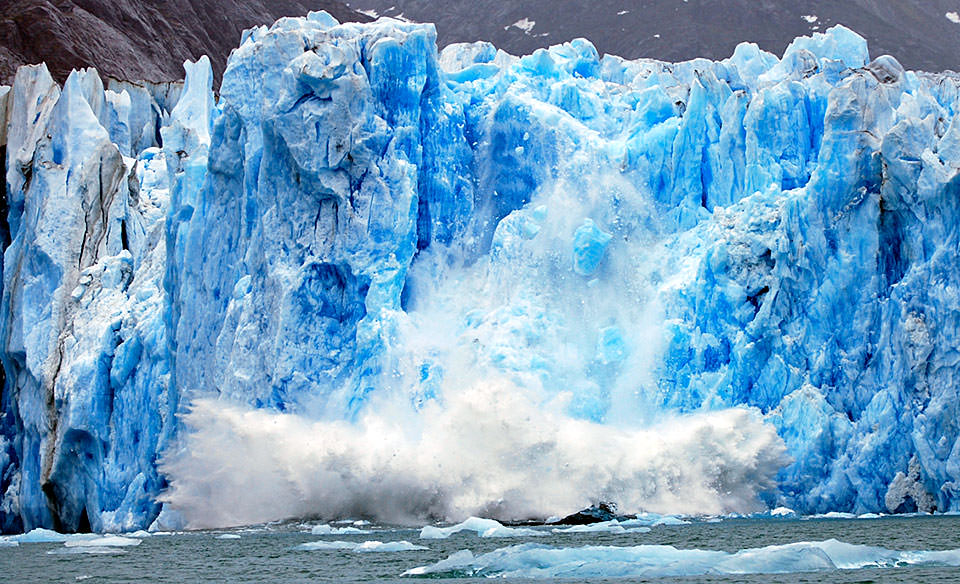
Photo: Calving glaciers are telltales of global warming.

Credit: NOAA

All Blog Posts

Sustainable Seafood Class Is in Session

  • October 26, 2015October 20, 2021
  • by Colles Stowell
Share it!
Share

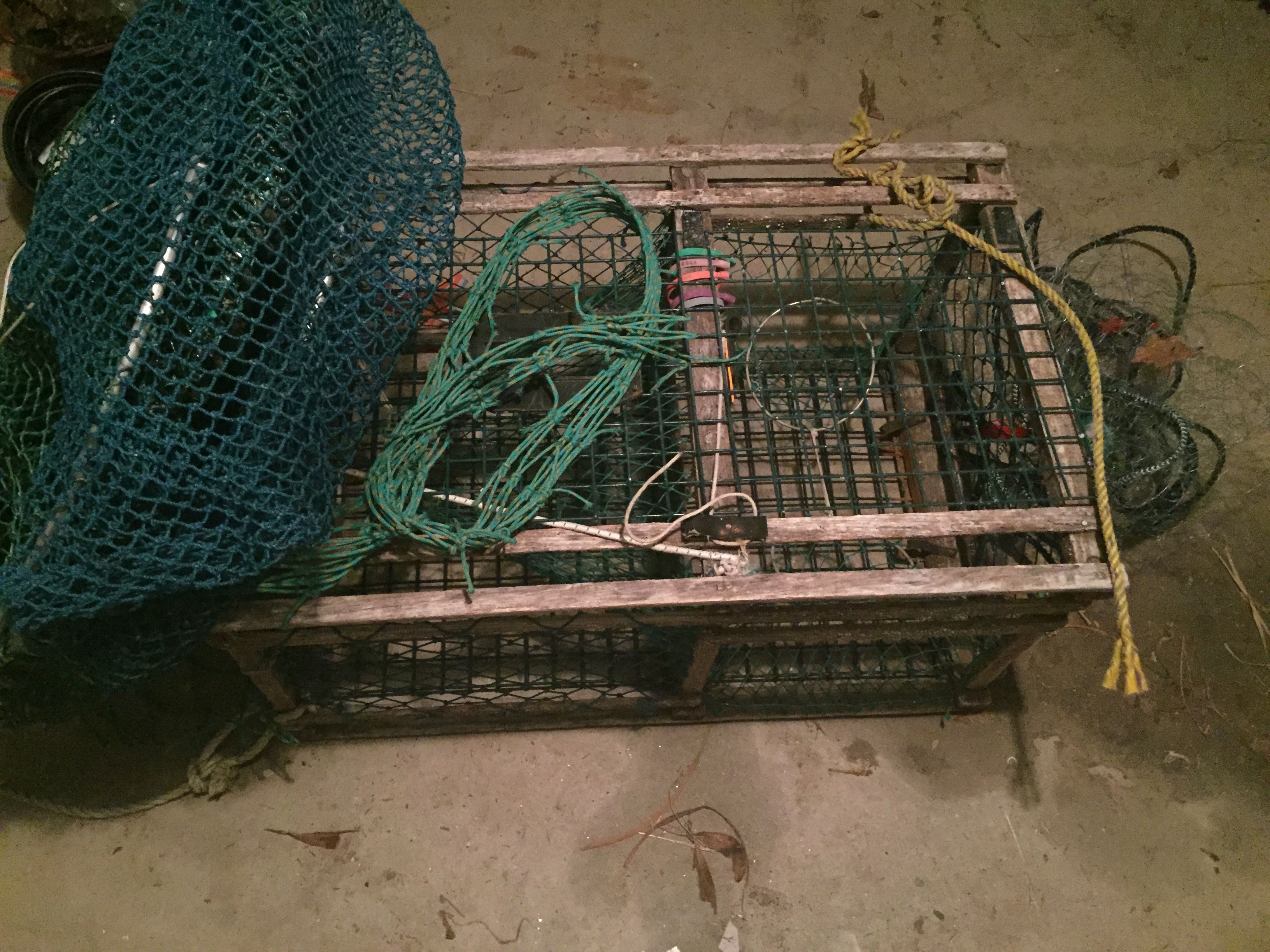
Lobster trap? Check.

Gillnet? Check.

Turtle excluder device? Check.

I’m going in.

Tomorrow One Fish Foundation is headed to the Mahoney Middle School in South Portland to talk to 6th grade Geography students about sustainable seafood.

I think back to the moment a couple of years ago when I first thought about telling students where seafood comes from and how it gets on their plates. I had just served as an “expert” listening to the in-depth sustainability expeditions of 9th graders at the Casco Bay High School for Expeditionary Learning in Portland Maine. The school steeps students in long-term, real-life projects called expeditions, which are focused on a single topic.

I was blown away.

One minute into the first student’s description of his research into the 2014 closure of the Maine shrimp season I realized this curriculum was more creative, more compelling and more rigorous than anything I faced in the early 80s. The student eloquently and accurately explained the reason for the closure – an Atlantic States Marine Fisheries Commission ASMFC decision based on the precipitous drop in landed shrimp in 2012 and 2013. He also pointed to research from the Gulf of Maine Research Institute and other sites suggesting that warmer water fueled by climate change, along with a decrease in phytoplankton and increased predation may have affected reproduction and survival rates.

This 14-year-old had done much of the same research I had done, and he had the interest and drive to keep digging for answers to questions like: What is the cause? What is the sustainable solution? How do we learn from past lessons?

I came away from the experience enlightened, jealous (that I didn’t have that experience in school) and motivated. I’d been writing about sustainable seafood and sustainable fisheries for four years. Why not bring those messages into classrooms where kids are beginning to ask questions about where food comes from, and what they can do to learn more?

So here I am, putting the finishing touches on a lesson plan that will ask 10- and 11 year-olds to think about how their local geography dictates what seafood is available to them, how some of that seafood is caught, and which seafood is abundant. Most importantly, I want to get them confident enough to ask questions in stores and restaurants, and to perhaps even discuss with their families why making sustainable choices is important.

If I can achieve that, I’ll have succeeded.

All Blog Posts

Climate Change Could Have Unintended Benefit in Arctic

  • October 19, 2015October 20, 2021
  • by Colles Stowell
Share it!
Share

There have been enough scary headlines about climate change for us to know that warming temperatures could have disastrous effects on our planet. Increased carbon content from industrial processes leads to higher atmospheric and oceanic temperatures fueling melting glaciers and ice caps leading to rising oceans, etc. Read more “Climate Change Could Have Unintended Benefit in Arctic” →

All Blog Posts

Cultivating the American Seafood Narrative

  • October 7, 2015October 20, 2021
  • by Colles Stowell
Share it!
Share

We need to take back the 90%. That was the rallying cry of sorts at the East Coast Seafood Forum held yesterday at the National Aquarium.

That 90% represents the amount of seafood consumed in the U.S. that has been imported from other countries. Brett Veerhusen, executive director of Seafood Harvesters of America, underscored the point that everyone in attendance knew: Importing that much seafood with the resources available domestically is unacceptable. Read more “Cultivating the American Seafood Narrative” →

All Blog Posts

Fisheries Managers Open Door to Privatizing the Ocean

  • October 2, 2015October 20, 2021
  • by Colles Stowell
Share it!
Share

I’m too often reminded of why politics is pure frustration. Forget about presidential elections (go ahead, try), I’m talking about down-in-the-dirt politics — the process where elected officials discuss public policies ad nauseum. As a reporter, I used to marvel at how often those discussions and votes flew in the face of public consensus. Read more “Fisheries Managers Open Door to Privatizing the Ocean” →

All Blog Posts

Eating Smaller Fish is Better? New Research Says Yes

  • October 1, 2015October 20, 2021
  • by Colles Stowell
Share it!
Share

Are we really super predators? That is, are we so far up at the top of the food chain that we dictate the health and survivability of different species based on our collective eating patterns? Read more “Eating Smaller Fish is Better? New Research Says Yes” →

Recent Posts

  • Hurricane Ida wreaks havoc on Louisiana’s seafood industry
  • EPA Should Use Clean Water Act To Kill Zombie Mine
  • Slow Fish 2021: Relationship Matters
  • Faith, Façades, and Futility
  • Pebble Permit Paused: Politics at Play

Archives

  • September 2021
  • August 2021
  • April 2021
  • December 2020
  • August 2020
  • June 2020
  • February 2020
  • December 2019
  • November 2019
  • October 2019
  • July 2019
  • May 2019
  • April 2019
  • March 2019
  • January 2019
  • December 2018
  • November 2018
  • June 2018
  • May 2018
  • March 2018
  • February 2018
  • January 2018
  • December 2017
  • November 2017
  • October 2017
  • September 2017
  • August 2017
  • July 2017
  • June 2017
  • May 2017
  • April 2017
  • March 2017
  • January 2017
  • December 2016
  • November 2016
  • October 2016
  • September 2016
  • August 2016
  • July 2016
  • June 2016
  • May 2016
  • April 2016
  • March 2016
  • February 2016
  • January 2016
  • December 2015
  • November 2015
  • October 2015
  • September 2015
  • July 2015
  • June 2015
  • May 2015
  • April 2015
  • March 2015
  • February 2015
  • January 2015
Theme by Colorlib Powered by WordPress