 All Blog Posts
FDA Rubber Stamps Genetically Modified “Frankenfish”

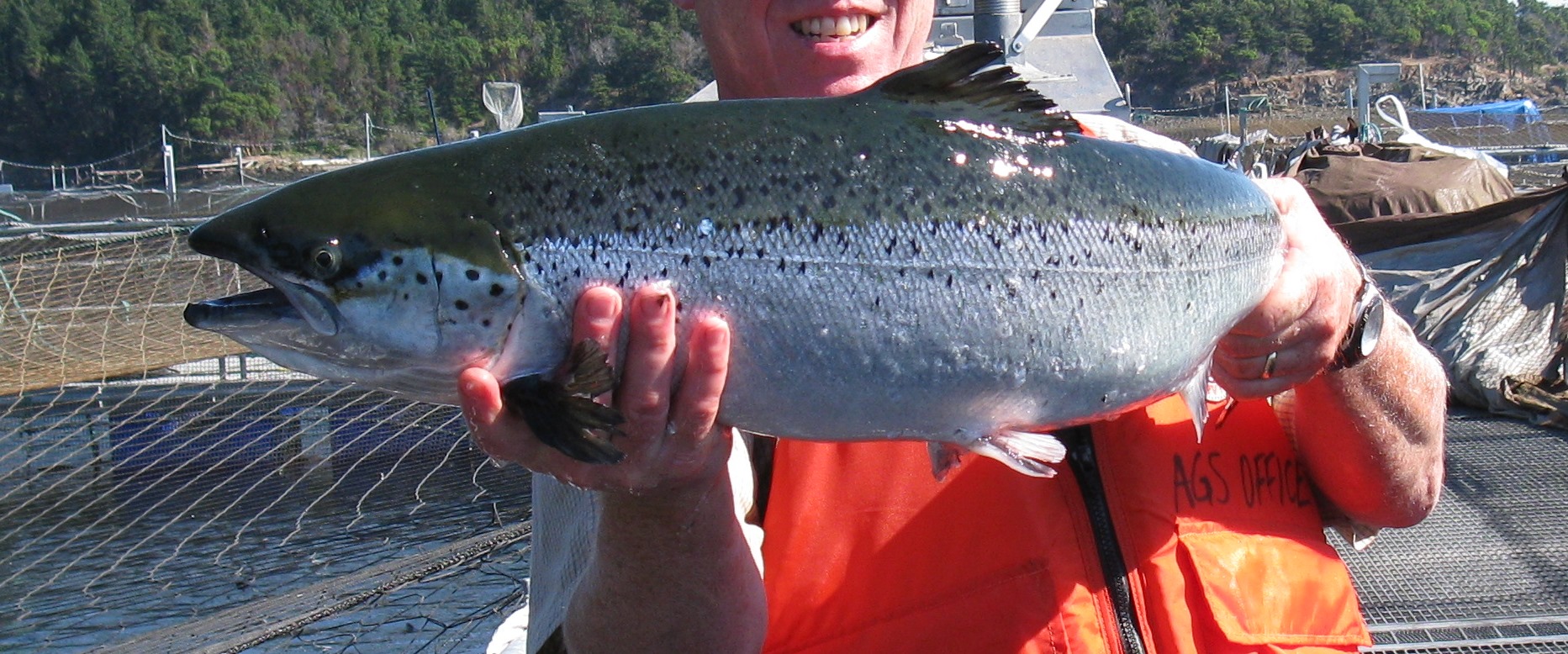
You may well have heard last week the FDA cleared the path for genetically modified salmon to hit the market after a protracted five-year review. It was a landmark decision that could have long-lasting implications for other genetically engineered (GE) products such as livestock (pigs, cattle, chickens) as well as reinforcing industry opposition to labeling such products (as in produce).
In a nutshell, the FDA determined the AquAdvantage salmon created by Massachusetts-based AquaBounty is safe to eat, and does not require specific labeling to identify that the fish has been genetically modified.
The AquAdvantage salmon are grown from eggs developed in Prince Edward Island and raised in land-based pens in Panama. The industry selling point for GE salmon is that it grows twice as fast on about a quarter of the feed that traditionally farmed salmon require. So some advocates point to AquAdvantage as a more environmentally friendly method of aquaculture that could meet the huge demand for salmon without raping wild populations.
Sadly, this decision sets a very bad precedent that could really confuse consumers, not to mention raising all kinds of scary questions about what happens when we eat food that has been injected with growth hormones.
Let’s take a look at some of the more pressing concerns:
- Hormone use – The fish are developed with a growth hormone gene from a Chinook salmon and more genetic material from an ocean pout that help the salmon grow to market weight in less than 20 months, while traditional farming requires up to 36 months. While the FDA says this hormone is safe for the fish and for humans, there really hasn’t been enough detailed study about the long-term health effects on humans who ingest this kind of hormone.
- No labeling – If it’s safe for consumers, why not label the product? It’s a simple question that has been raised about GE produce. Short of a credible answer, we’re left to suspect that there’s something AquaBounty or Monsanto don’t want us to know. The FDA says it can only compel GE manufacturers to claim the product has been genetically altered “… if there is a material difference – such as a different nutritional profile – between the GE product and its non-GE counterpart.” So what part of injecting a hormone combining material from two vastly different species to create a third isn’t “a material difference?”
- FDA regulation: So this is interesting. The FDA wants to regulate GE salmon under the same framework as it regulates veterinary drugs because of the hormone involvement. The FDA says the hormone “meets the definition of a drug.” This suggests the FDA doesn’t have an effective framework for adequately reviewing and regulating GEsalmon. To wit, the FDA seems to be applying antiquated ideological governance to a very modern, technical challenge.
- Geography: I can’t put my finger on it, but something seems strange about a Mass. company using eggs developed in Canada to “create” fish to be raised in Panama. Smacks a little too much like “Blade Runner” to me.
From a practical standpoint, the labeling issue is almost hypocritical. If food manufacturers are required to tell how much sugar, salt and fat grams go into a box of cereal, why shouldn’t salmon farmers have to tell the truth about genetically engineering the fish? If it’s about a potential stigma image, then create a better, more believable narrative, or just don’t genetically engineer the fish. Trying to mask it just raises more suspicion. The FDA’s one consolation to those clamoring for GE labeling? Voluntary labeling.
Yeah, that’s likely to happen.
I admit I’ve evolved a bit in my thinking on finfish aquaculture. I still have many questions and several concerns. But some operations using closed, re-circulating systems that minimize environmental and ecosystem impact and use more plant-based feed could meet a need. Any operation certified as having outright banned hormones or antibiotics and having eliminated the problem of farmed fish escapes is better than GE.
It will be at least two years before Frankenfish hits markets. And even then, it will likely be only a small fraction of globally available farmed salmon as AquaBounty’s infrastructure is still small. Whole Foods, Trade Joes, Safeway and Kroger have all pledged to not sell the fish. The Center for Food Safety has said it will sue the FDA over this decision.
Polls in the last five years by NPR and New York Times suggest overwhelming majorities of the public would not eat GE salmon.
Count me as one in those numbers. I fear this will open a door we shouldn’t open now, and once we step through, there won’t be any turning back.