Skip to content
One Fish Foundation
  • Blog
    • Aquaculture
    • Education
    • Environment
    • Policy
    • Wild Harvest
    • Fish Tales
  • About
    • About One Fish
    • About Colles Stowell
  • Education
    • Elementary School
    • Middle School
    • High School
  • KNOW FISH Dinners®
  • Resources
    • One Fish Podcast
    • One Fish Foundation in the news
    • The 7 C’s of Sustainable Seafood
    • Newsletter Archive
    • Recipes
      • Skate with Capers and Butter — Chef Rizwan Ahmed
      • Grandma Davis’ Fish Chowder — Jane Almeida
      • Ginger Garlic Tamari Scallops — Colles Stowell
      • Fish Stock — Evan Mallett
      • Mussels San Remo — Chef Rob Martin
      • Salted Pollock Croquettes – Chef Mark Segal
  • Connect
    • Contact OneFish
    • Social
      • Instagram
      • Facebook
      • Twitter
All Blog Posts

Making Good Impressions

  • October 21, 2017October 20, 2021
  • by Colles Stowell
Share it!
Share

Ten- and 11-year olds are very impressionable. I’m reminded of this every time I speak to a fifth grade class and start talking about bycatch and imported farmed shrimp. Their eyes get really big when I talk about how some foreign aquaculture producers use antibiotics to try and prevent disease, or when I show them videos of some bycatch issues with longline and gill nets.

So I’m quick to tell them about some measures to mitigate bycatch, such as changing hook types or using turtle excluder devices. They love handling the big hooped nets. We talk about different harvest methods that have lower ecological impact, and that innovation continues to lessen direct harm.

I show them a pie chart and ask them to choose either the really small slice set aside, or the rest of the pie to represent the domestically harvested seafood eaten in this country. Every now and then, one student will choose the small slice either playing the odds or actually knowing the reality. I love to watch the class discuss the answer and perhaps change their minds. When I tell them the larger section or 90% of the pie represents imports, they don’t mask their surprise.
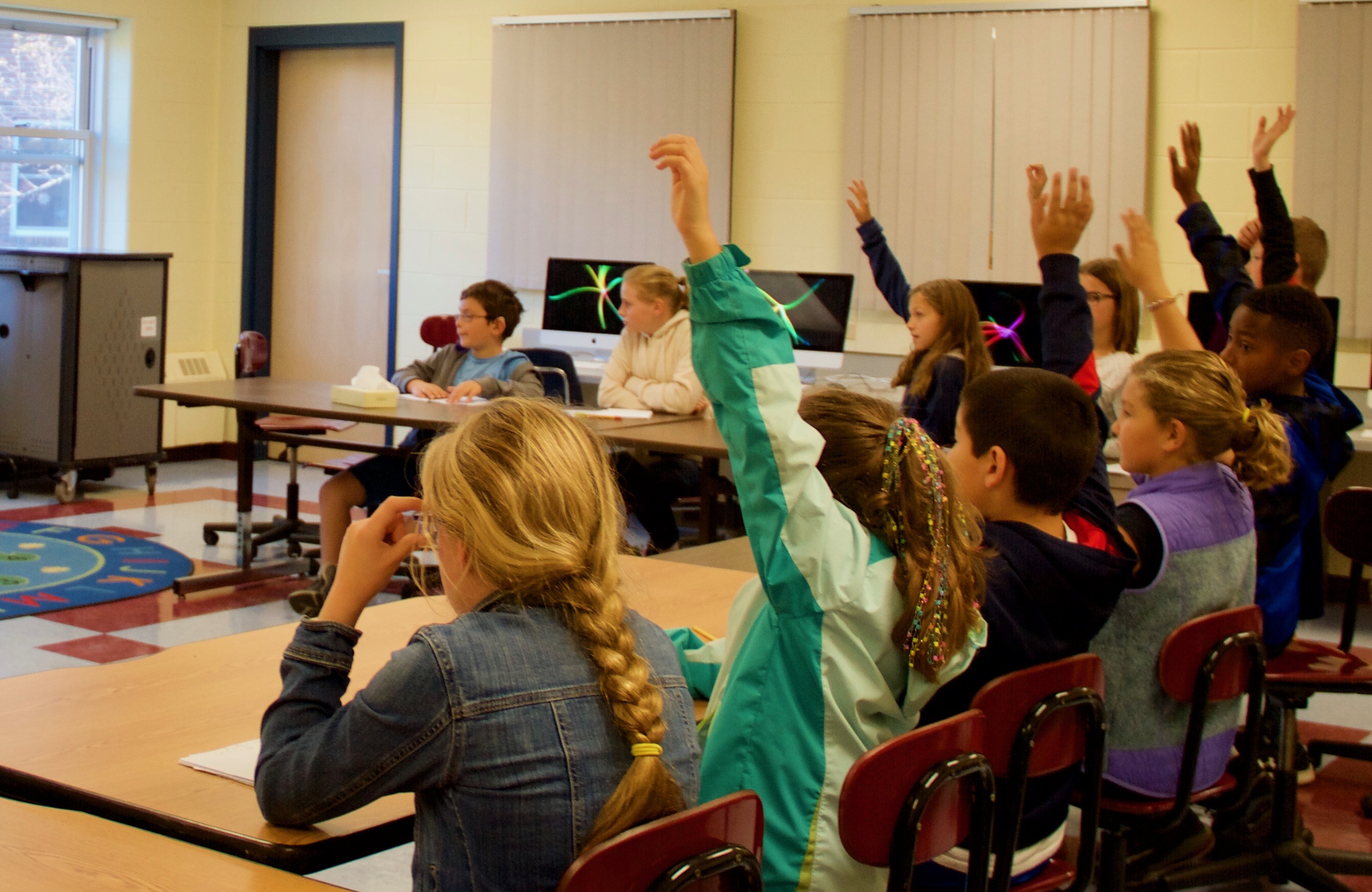
I taught three 5th grade science classes at Rye (NH) Elementary School last week, and took note of students’ interaction with these potentially daunting topics. Typically with classes along the coast, a majority of students raise their hands at the outset when I ask how many like seafood. For those who don’t, I be sure to acknowledge that and tell them that it’s important to understand our relationship to, and impact on the resource, even if we don’t eat it.

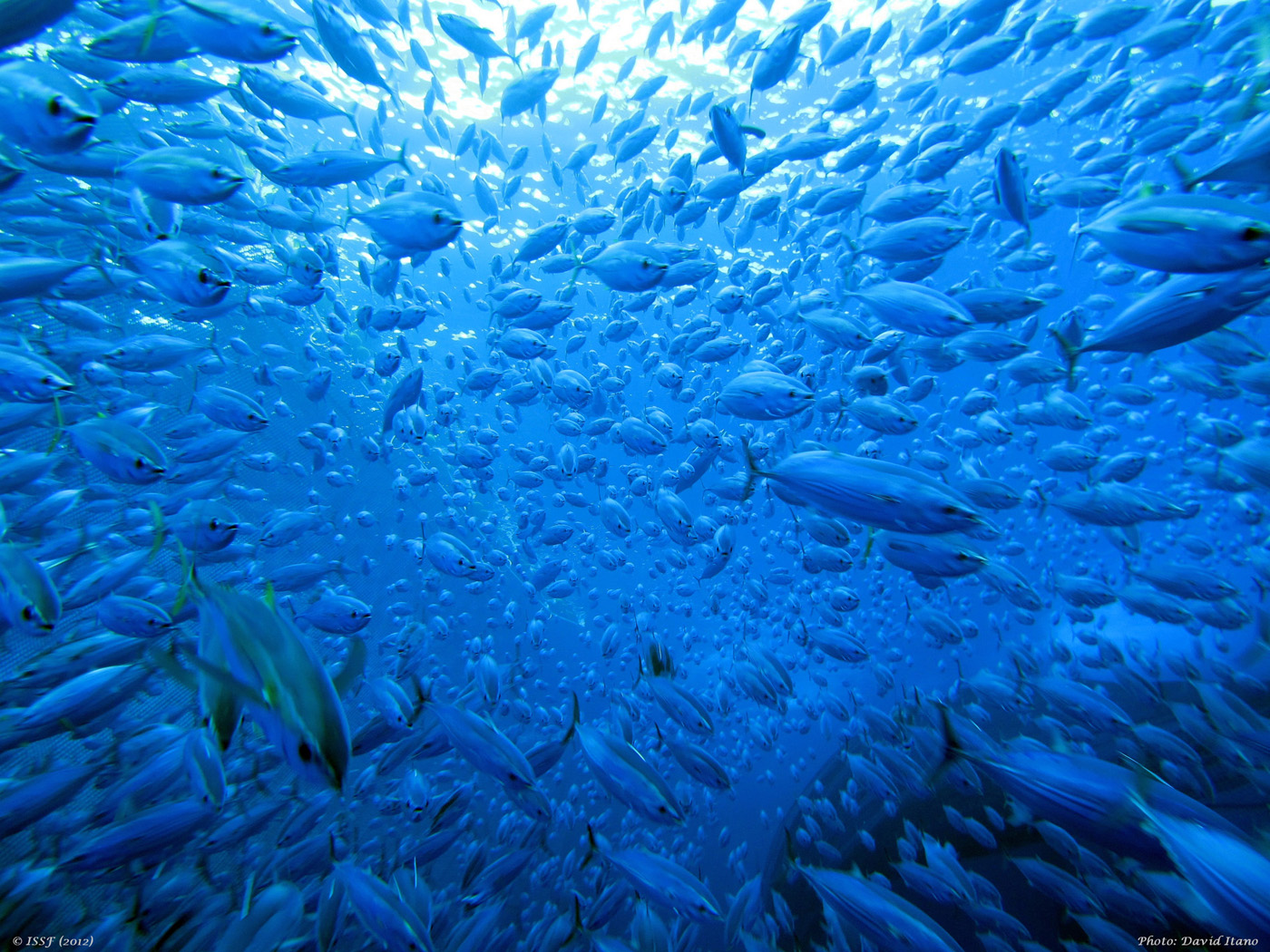
The students at Rye Elementary were, as usual, well informed, inquisitive and engaged in learning about where seafood comes from. They were interested to learn about bivalve aquaculture in Maine, and why forage fish such as the mackerel they see right off the docks play a crucial role in the marine food webs.
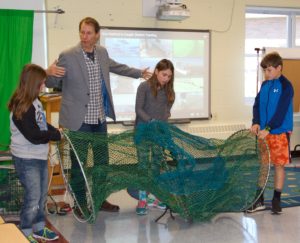
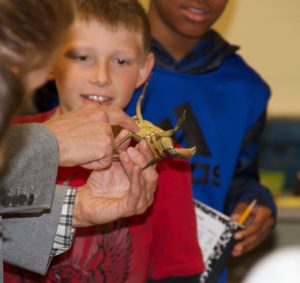
We talked about gear selectivity, invasive species (live green crabs are always a hit) and that buying locally harvested seafood supports local fishermen in the community. And we talked about their responsibility to ask questions at restaurants and seafood stores.

Each class has a different personality and energy level. So we adapt the content and conversation to those variables and engage as many minds as possible.
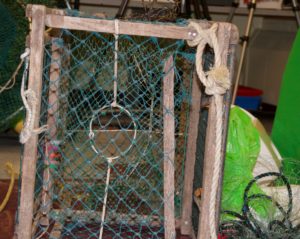
Every time I teach a few classes in a row, I walk away energized by the fluidity and enthusiasm of the conversation … and a bit drained. Each class I teach is a renewal of my respect and admiration for teachers who do this day in and day out. This is especially true for teachers helping to stimulate young, impressionable minds.
All Blog Posts

Re-Thinking Current Policy, Data Analysis: a Webinar 11/3/17

  • October 17, 2017October 20, 2021
  • by Colles Stowell
Share it!
Share

Very little in fisheries management is black and white. This is a constant refrain in any conversations I have in classrooms or restaurants. It is often filled with paradoxes. For example, restrictions such as quotas are aimed at preserving a given species, but loopholes, vagaries in the law and profiteering have led to abuses that have jeopardized some stocks.

Look no further than the recent sentencing of Carlos Rafael, AKA the Codfather, after pleading guilty to 28 counts of fisheries fraud, or the administration’s overturning of a federal agency ruling that New Jersey fishermen had landed too many summer flounder (fluke). Both issues are fraught with complexity, and both point to flaws in the current management system.

That’s why we’re hosting a Webinar next month – not to try to solve all of these complex issues, but rather to hone in on one critical piece of the puzzle that often gets overlooked: How to improve fish stock assessments and strengthen collaborative efforts between fishermen, scientists, and managers. We’re going to discuss the idea of turning the current top-down management model on its head by localizing fisheries management and bringing fishermen further into the process of collecting data and determining policy.

We’ll discuss long-term goals and obstacles to achieving a more balanced approach to ensuring the health of marine resources while supporting local fishermen and the coastal communities they serve. This type of approach would allow scientists, policymakers and fishermen working together, to respond more quickly to regional climate-induced ecosystem shifts.

This Webinar will posit these questions: What can we do to bridge the gap between fishermen, scientists and policy makers? Can we build fishermen’s trust in management and data while still safeguarding the resource? Should we re-think the current fisheries management schema, including the data collection model, to respond more nimbly to rapid, often localized climate change impacts? Can we create a system that better protects the resource, supports local fishermen and strengthens coastal communities with a fishing heritage? How would such a system impact individual seafood consumers and institutional buyers?

The hope is this discussion will lay the foundation for more constructive dialogue, which could eventually lead to a framework for fundamental, meaningful change. We recognize that bucking the system carries additional barriers and challenges. That’s why we have Health Care Without Harm (HCWH) joining us. HCWH has a proven track record of leveraging institutional buying power to shift major policy. By breaking out of the fisheries bubble and engaging HCWH, we can lay the groundwork for real change.

Join us online on Nov. 3 at 3 p.m. and become part of the discussion. Would you change fisheries policy now? What does a better management model look like to you? The panel discussion will last for an hour, followed by a moderated audience Q&A.

Here is the link to sign up for the discussion.

Panelists will include:

Bob Steneck: Professor of Oceanography, Marine Biology and Marine Policy School of Marine Sciences, University of Maine Darling Marine Center. Bob has been at the forefront of important research on lobsters, kelp and groundfish in the Gulf of Maine, as well as coral in the Caribbean for decades. He has a unique perspective on the dynamic ecosystem changes in the Gulf of Maine and the Caribbean and the recent history of data-driven policy.

David Goethel: Commercial fisherman out of Hampton, NH and a three-term member of the New England Fishery Management council, which establishes many of the rules regarding groundfish harvest in the Gulf of Maine. He has also served as an advisor to several panels for the Atlantic States Marine Fisheries Commission, which also regulates many New England fisheries species. David brings a powerful perspective having been on both sides of the fisheries management dilemma.


John Stoddard: New England Regional Coordinator for Health Care Without Harm’s Healthy Food in Health Care program. John brings a compelling perspective from working with healthcare food services on what healthcare patients, staff and food buyers look for in sustainably harvested seafood. We know that improved science also affects individual consumers and institutional seafood buyers like hospitals. What role can seafood buyers play in helping improve the system?
Moderator

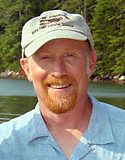
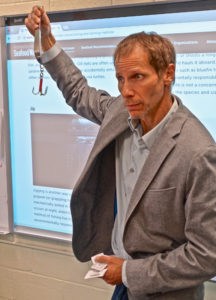
Colles Stowell: President of One Fish Foundation, a sustainable seafood education non-profit teaching consumers about why they should care where, when, how and by whom their seafood was harvested. Colles works with students in classrooms from kindergarten through college, and adults via community events to discuss a variety of crucial seafood sustainability topics ranging from harvest and aquaculture methods to climate change impacts and policy.


All Blog Posts

Fifth KNOW FISH Dinner zooms in on critical questions

  • October 15, 2017October 20, 2021
  • by Colles Stowell
Share it!
Share

“How do you know if it’s truly local?”

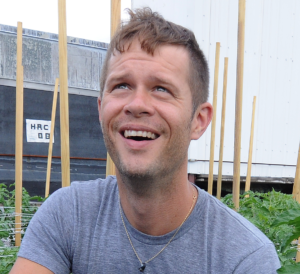
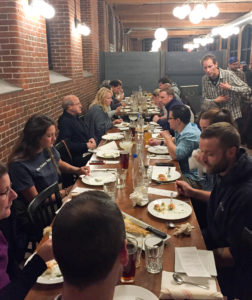
The question from Jordan Pike of Two Toad Farm in Lebanon, ME. during Thursday night’s KNOW FISH Dinner™ at 7th Settlement Brewery  in Dover, NH was seemingly simple. It is a question any farmer, fisherman, chef, baker or food producer encounters on a regular basis. But its implications are more significant because the complexity of the seafood system in the U.S.

We were discussing the dynamics of the domestic seafood system and some of the drivers behind the fact we import more than 90 percent of the seafood we eat in this country. That’s ironic when you consider we harvest over 5 million tons of seafood domestically on an annual basis… plenty enough to meet the demand.

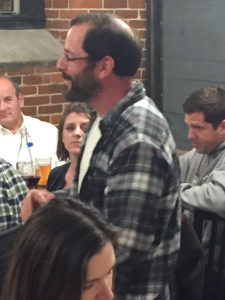
Brian Gennaco of Virgin Oysters explains why oyster aquaculture is a labor of love. Three years from seed to harvest.

Breaking the habit

One of the largest hurdles is habit. We discussed how habit drives much of the seafood purchases linked to foreign sources. For example, consider the widespread habit of buying the same thing weekly, at the lowest price, without trying to find out more about where things like frozen shrimp or salmon fillets come from. Similarly, there is the habit of continuing with a flawed management system that opens the gate for cheap imports to feed the consumer habit.

Asking questions is one of the most effective ways to change these habits. I told the 35 attendees one of the first questions to ask is “Where is it from?” Buying locally sourced seafood is at least an initial step away from imports.

But Jordan’s question is also at the crux of getting to know our food and improving the relationship we have to our seafood. At its core, the question pits small local food producers against big operators like Monsanto, Thai Union, and the now somewhat defrocked “Codfather”, Carlos Rafael. Rafael, the largest fishing operator on the East Coast, was recently sentenced to nearly four years in prison, three years of additional probation and more than $200,000 in fines after pleading guilty to 28 counts of fisheries fraud. The court also seized a small portion of his assets.

One of Brian’s delicious oysters.

Jordan took the “local” question further. “How do you know the scallops you eat aren’t coming from boats owned by Rafael?”

Become a seafood detective

The answer isn’t simple. The U.S. is lagging in terms of comprehensive, transparent labeling systems that provide easily accessible information. The EU has such a system, and both consumers and fishermen are generally happy with it; consumers for obvious reasons, fishermen because they see it as a competitive advantage.

Absent such labeling, we must try to find such information by owning the responsibility to ask questions. Thursday night, we discussed the importance of forming relationships with fishermen in our communites or with restaurants and stores that buy seafood directly from fishermen in the community or the nearby region.

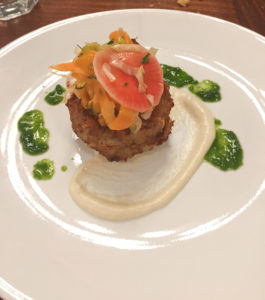
Potato fish cake (pollock), parsley two ways and a bright pickled vegetable salad.

The seafood counters and many of the restaurants I patronize know me and know I’m going to ask questions. They also know I can tell visually how relatively fresh different fish and shellfish are. They may not be able to tell exactly what boat Acadian Redfish on display is from, but they can tell me if it was caught in Casco Bay and when it was cut.

The truth is you may not really be able to learn the provenance of every piece of seafood you buy. Terms like “local” and “organic” have been co-opted improperly so often that their meanings have been diluted. So you ask questions, observe and make educated assumptions. And once you have established a relationship with a fisherman and/or a fishmonger or restaurateur you trust, you will have significantly increased the chance the seafood was harvested responsibly.

It was an excellent question that sparked a good conversation about what we as consumers can do to understand and embrace our relationship to the seafood we eat.

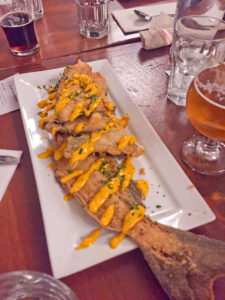
Look at all of that fried goodness! The remoulade was outstanding.

Good food, good convo

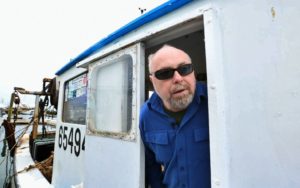
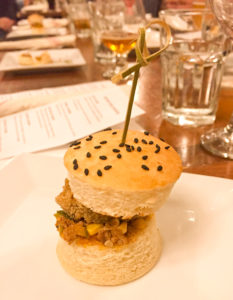
And it was just one part of a great evening of storytelling and diving into key issues with perspectives from Capt. Tim Rider of New England Fishmongers who donated the fish, Brian Gennaco of Virgin Oyster Co. who provided the oysters, and Chef Taylor Miller who put on a feast. (How about delightfully seasoned tuna pastrami, perfectly fried pollock carcasses and collars with plenty of meat on the bones, cornmeal dusted fried oyster with chorizo on brioche with garlic aioli, and some especially delicious gin-brined baked pollock served with cornmeal fried pollock with dill salt???)

We also heard from Joe Letourneau, the only other full-time, rod and reel groundfish commercial fisherman in the Gulf of Maine (aside from Capt. Rider); and, Kevin Jackson, who has a unique perspective as a NOAA observer that accompanies fishermen like Tim and Joe to research a variety of species, like wolfish. Kevin’s work is an example of scientists collaborating with fishermen on critical research to learn more about ocean resources.

Conversation upon conversation, building a movement.

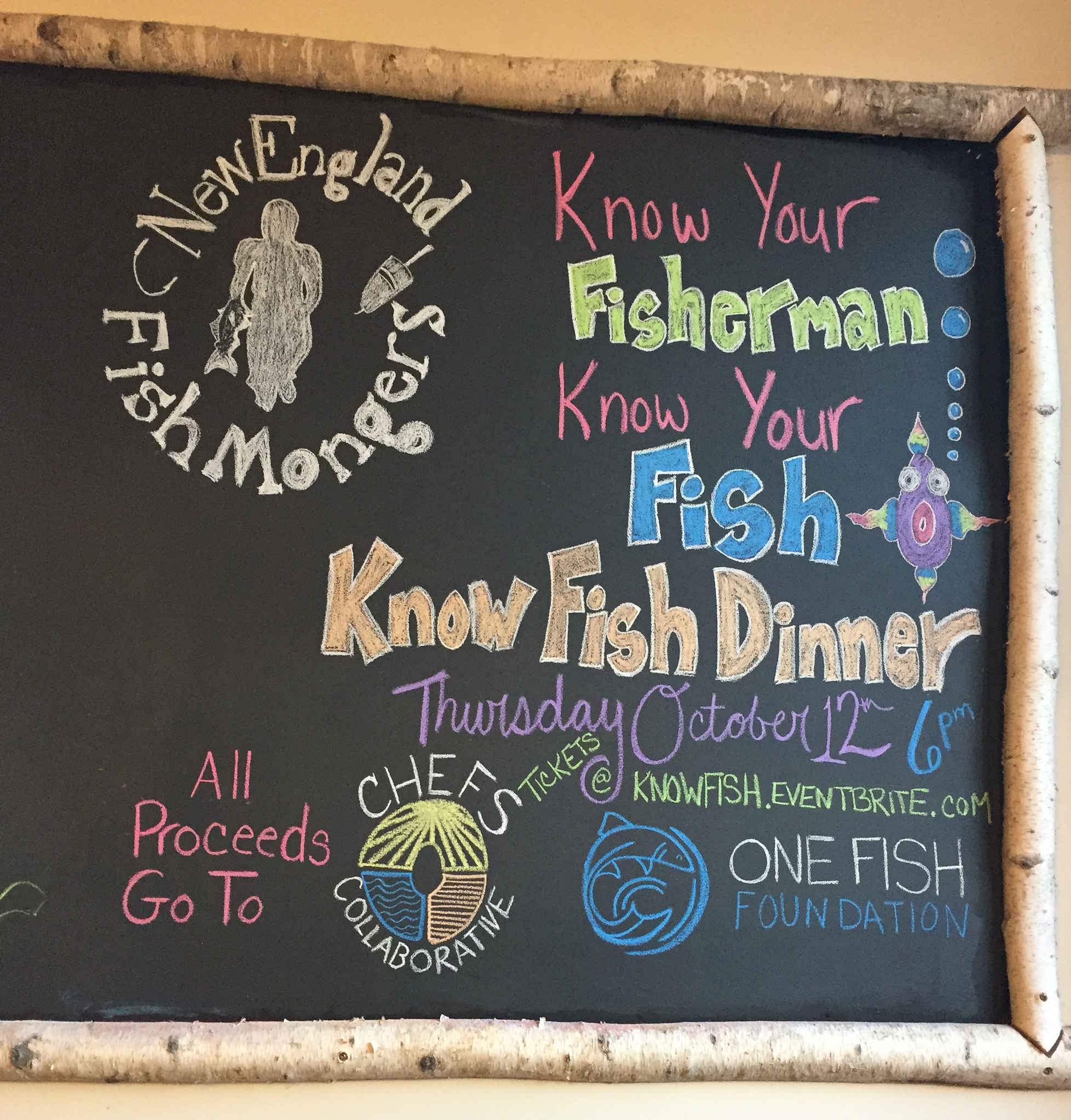
This was the 5th dinner in the KNOW FISH Dinner series, and it is a continuation of our mission to change minds one conversation at a time. Attendees left with several compelling conversations to think about, as well as a menu with the 7 C’s of Sustainability printed on the back.

The next KNOW FISH Dinner will be at Otis Restaurant in Exeter, N.H. on Nov. 2.

Come join us for great food and a broader seafood perspective!

Get tickets here.

Recent Posts

  • Hurricane Ida wreaks havoc on Louisiana’s seafood industry
  • EPA Should Use Clean Water Act To Kill Zombie Mine
  • Slow Fish 2021: Relationship Matters
  • Faith, Façades, and Futility
  • Pebble Permit Paused: Politics at Play

Archives

  • September 2021
  • August 2021
  • April 2021
  • December 2020
  • August 2020
  • June 2020
  • February 2020
  • December 2019
  • November 2019
  • October 2019
  • July 2019
  • May 2019
  • April 2019
  • March 2019
  • January 2019
  • December 2018
  • November 2018
  • June 2018
  • May 2018
  • March 2018
  • February 2018
  • January 2018
  • December 2017
  • November 2017
  • October 2017
  • September 2017
  • August 2017
  • July 2017
  • June 2017
  • May 2017
  • April 2017
  • March 2017
  • January 2017
  • December 2016
  • November 2016
  • October 2016
  • September 2016
  • August 2016
  • July 2016
  • June 2016
  • May 2016
  • April 2016
  • March 2016
  • February 2016
  • January 2016
  • December 2015
  • November 2015
  • October 2015
  • September 2015
  • July 2015
  • June 2015
  • May 2015
  • April 2015
  • March 2015
  • February 2015
  • January 2015
Theme by Colorlib Powered by WordPress