Skip to content
One Fish Foundation
  • Blog
    • Aquaculture
    • Education
    • Environment
    • Policy
    • Wild Harvest
    • Fish Tales
  • About
    • About One Fish
    • About Colles Stowell
  • Education
    • Elementary School
    • Middle School
    • High School
  • KNOW FISH Dinners®
  • Resources
    • One Fish Podcast
    • One Fish Foundation in the news
    • The 7 C’s of Sustainable Seafood
    • Newsletter Archive
    • Recipes
      • Skate with Capers and Butter — Chef Rizwan Ahmed
      • Grandma Davis’ Fish Chowder — Jane Almeida
      • Ginger Garlic Tamari Scallops — Colles Stowell
      • Fish Stock — Evan Mallett
      • Mussels San Remo — Chef Rob Martin
      • Salted Pollock Croquettes – Chef Mark Segal
  • Connect
    • Contact OneFish
    • Social
      • Instagram
      • Facebook
      • Twitter
All Blog Posts

Getting to KNOW FISH in School

  • December 20, 2018October 19, 2021
  • by Colles Stowell
Share it!
Share

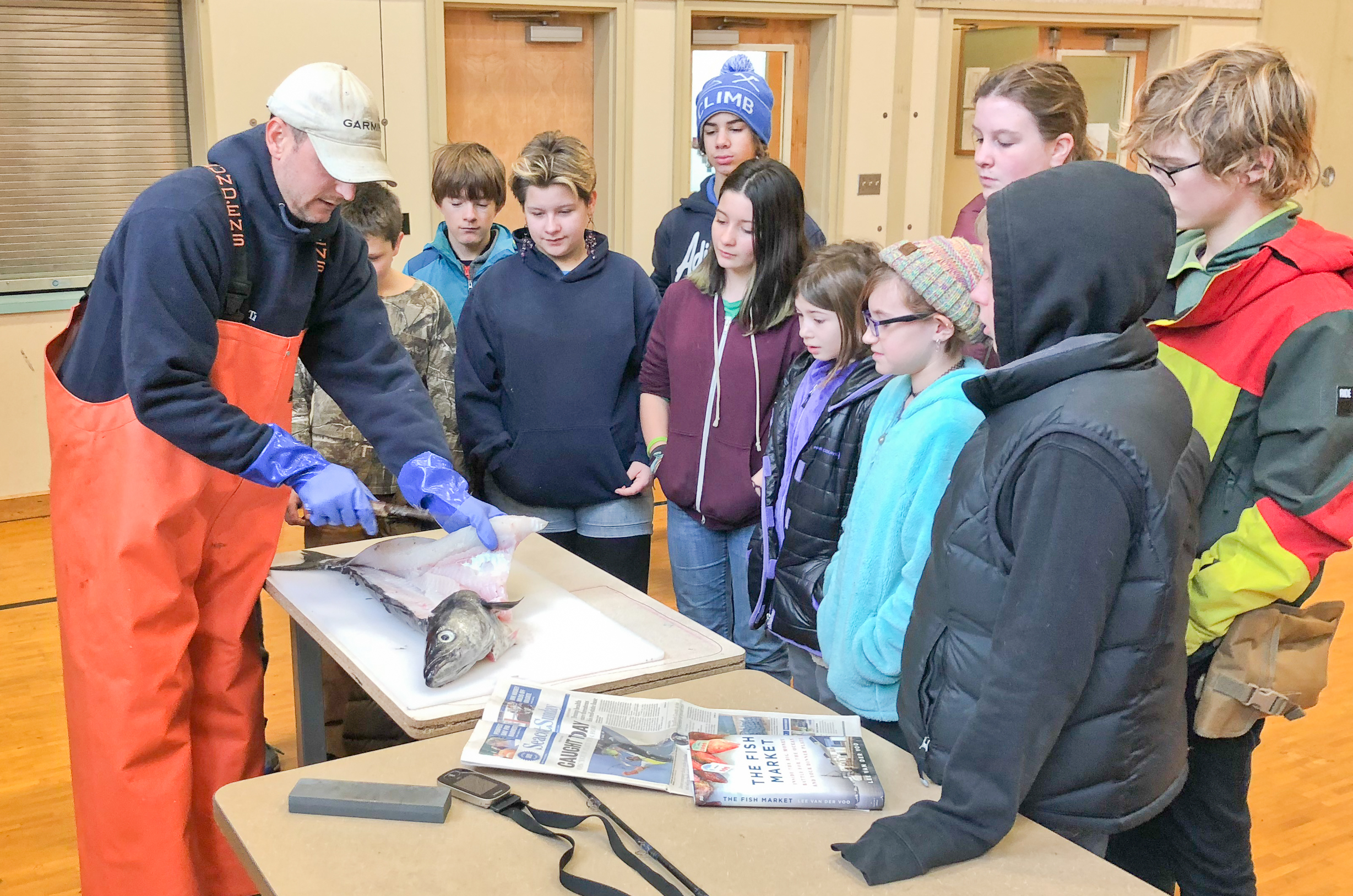
Students wrapped around the table, close, so they could get a good look as Capt. Tim Rider deftly worked the knife through the 15-pound pollock his crew had landed the day before. Neatly separating flesh from bone, he explained that filleting a fish is a matter of taking your time to be safe, but also to extract as much of the delicate meat as possible.

It’s a process he’s done many more times than he can remember. It is now automatic. For most of the middle school students at Harpswell Coastal Academy, this was a first. They asked questions about how the fish was caught, how it was bled and iced to keep it so fresh it almost looked like it could swim off the table.

They learned about the long days, the process of filleting a couple thousand pounds of fish before delivery to restaurants, stores and directly to consumers. They got an inside look at the life of a fish harvester.

This was the mission of the KNOW FISH Lunch® hosted at the school Dec. 11. We wanted students and their families to meet fishermen from their communities and learn how and why they harvest the species they do.

The gym was set up with tables framing a large rectangle with displays featuring clam rakes, lobster traps and some of the heavy steel used for scallop dredges. Students drifted from table to table with a broader perspective of the effort, process and forethought that goes into producing the seafood they eat.

They learned from Mason Warren how to put those wide rubber bands on lobster claws, occasionally getting their hands on a lobster, its claws and the bands. They learned what it’s like to bait and set several hundred traps a day, and what it’s like to get started in the business. Mason’s father is a lobsterman who travels offshore. This time of year, he and other fishermen often have to stay in port because the weather is just too dangerous (read: 20-foot seas).

Wendell Cressey discussed the backbreaking toil of bending over and digging clams and oysters out of the mud. He does mostly wild harvest, and therefore, the clam rake becomes an extension of his arms. He talked about the challenges a frozen mud flat can present in winter.

Students learned how a 2000-pound scallop dredge works from Terrance Kenney. A fisherman for decades, Kenney explained the constant  maintenance and plenty of work necessary to get scallops out of the shells and into market shape.

I had set up a table with live green crabs, some gill net, trawl net and a turtle excluder device. Several students wanted to adopt the green crabs as pets…or feed them to their dogs. Funny how live organisms with a hint of creepiness draw students close.
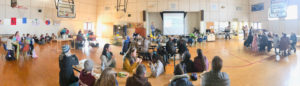
While eating chowder, students learned about the relationship they have to the seafood they eat. Photo: Micah Depper

The best part was the ambient buzz as students visited each harvester, shuttling in and out of the gym in three groups, absorbing the stories. At each station, students heard from small-scale local fish harvesters about how choosing locally sourced seafood affects them.

As if to illustrate the point, school chef Nicole Walker made a fabulous fish chowder using the fresh pollock provided by Capt. Tim Rider. Not too heavy, with a good balance of potatoes and seasoning, the chowder let the fish do the talking. And everyone praised the result.

While they finished off first or second helpings of the chowder, I rounded out the message with a quick discussion of the global seafood dynamic, illustrating why choosing local, regional and even domestic seafood is better for fish harvesters, the resource, the local economy and consumer health.

This was the first KNOW FISH event to bring fishermen, their gear and some of their product into a school to engage students, their parents and staff in conversations about how and why their choices matter.

By all accounts, the conversations and the food resonated, with some students saying they still have the 7 Cs of Sustainability stuck to their refrigerators at home after my visit in November.

That’s how I know the message is sinking in. So we’ll keep having these types of conversations in classrooms, or gyms or cafeterias, with students, their families, fishermen and teachers. And we’ll keep shifting the import dynamic away from imports and toward local or domestic seafood purchases.
 

All Blog Posts

Fish, Tamales and Community

  • December 13, 2018October 19, 2021
  • by Colles Stowell
Share it!
Share


The banana leaf pollock dressed in a cilantro peanut tamale did it. I am no chef, but I like to cook and explore new interpretations of dishes I thought I knew. Growing up in New Orleans meant a vast menu of cool, authentic dishes that often transcended expectations.

I still remember the smell, taste and texture of the corn husk-wrapped tamales the neighborhood kids would buy from the old man pushing his cart up and down Napoleon Ave. We had no concept at the time of ingredient sourcing, labor, etc. We just knew that a couple of those tamales for $1 after playing football in the streets made for a great cap to the afternoon.

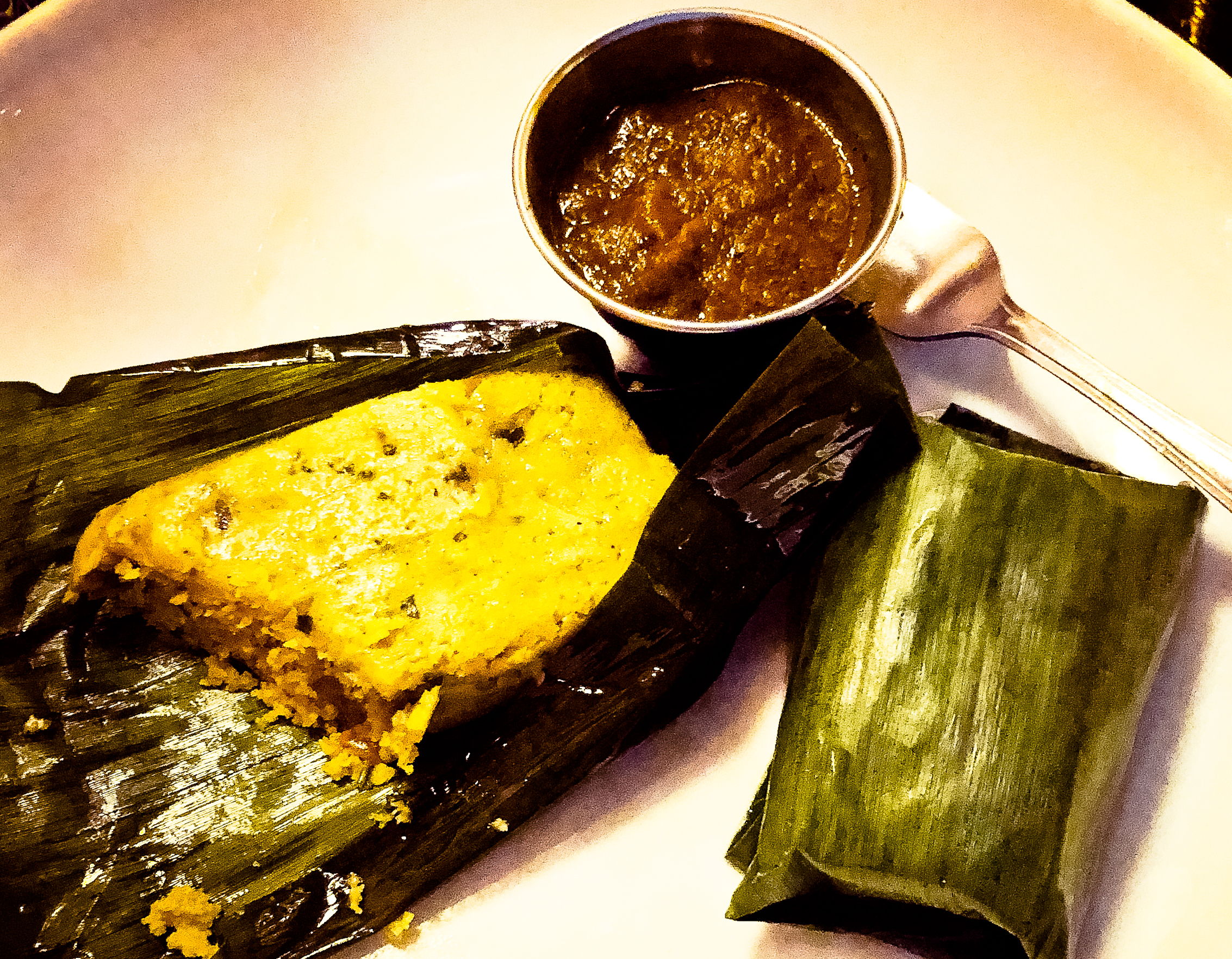
So biting into Chef David Vargas’ spin on the cod tamale opened my eyes and fired my taste buds. I would not have thought of this combination as a kid (I may not have wanted to try it). But it was a stark reminder of the beauty of culturally diverse approaches to seafood.

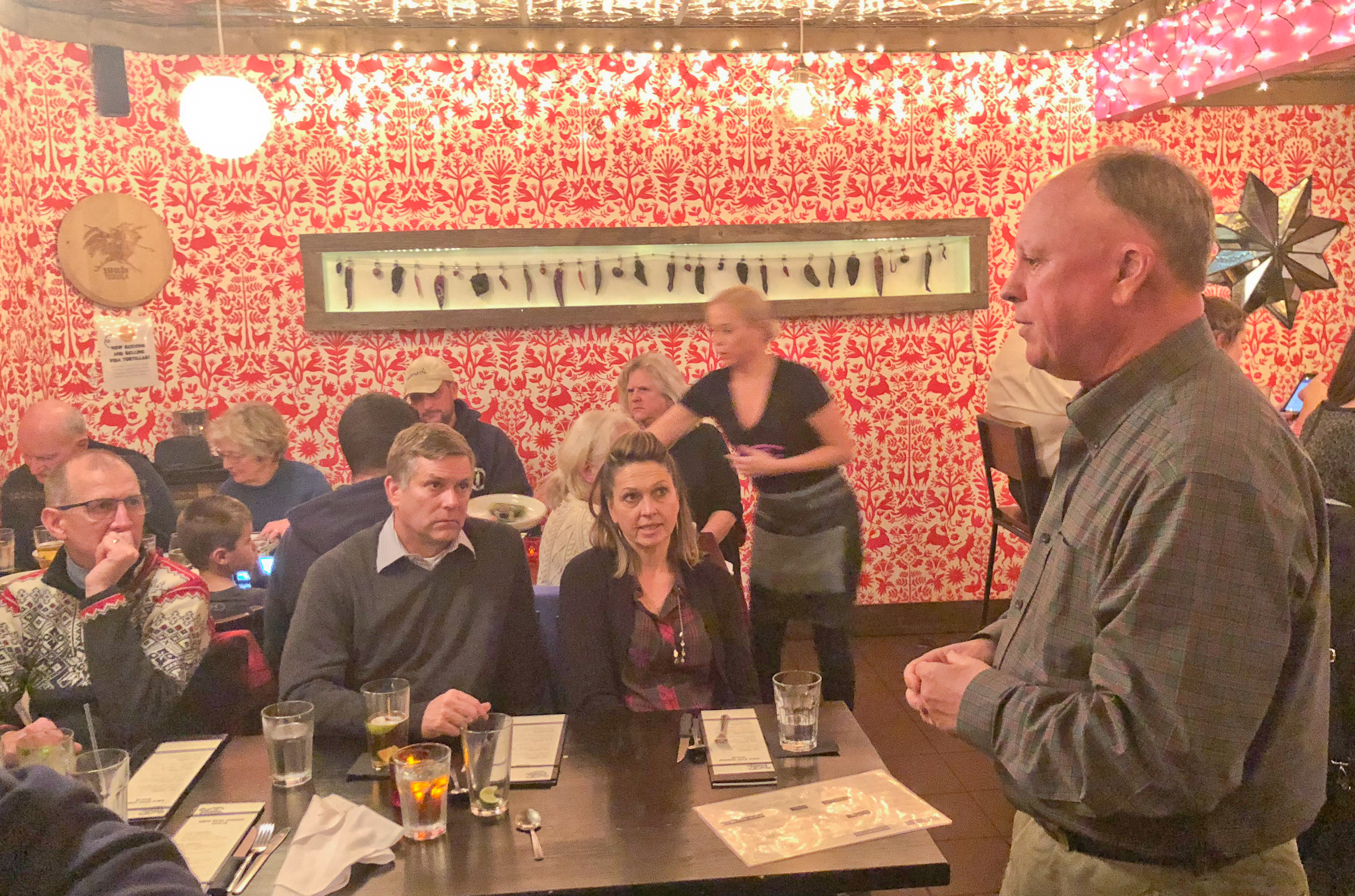
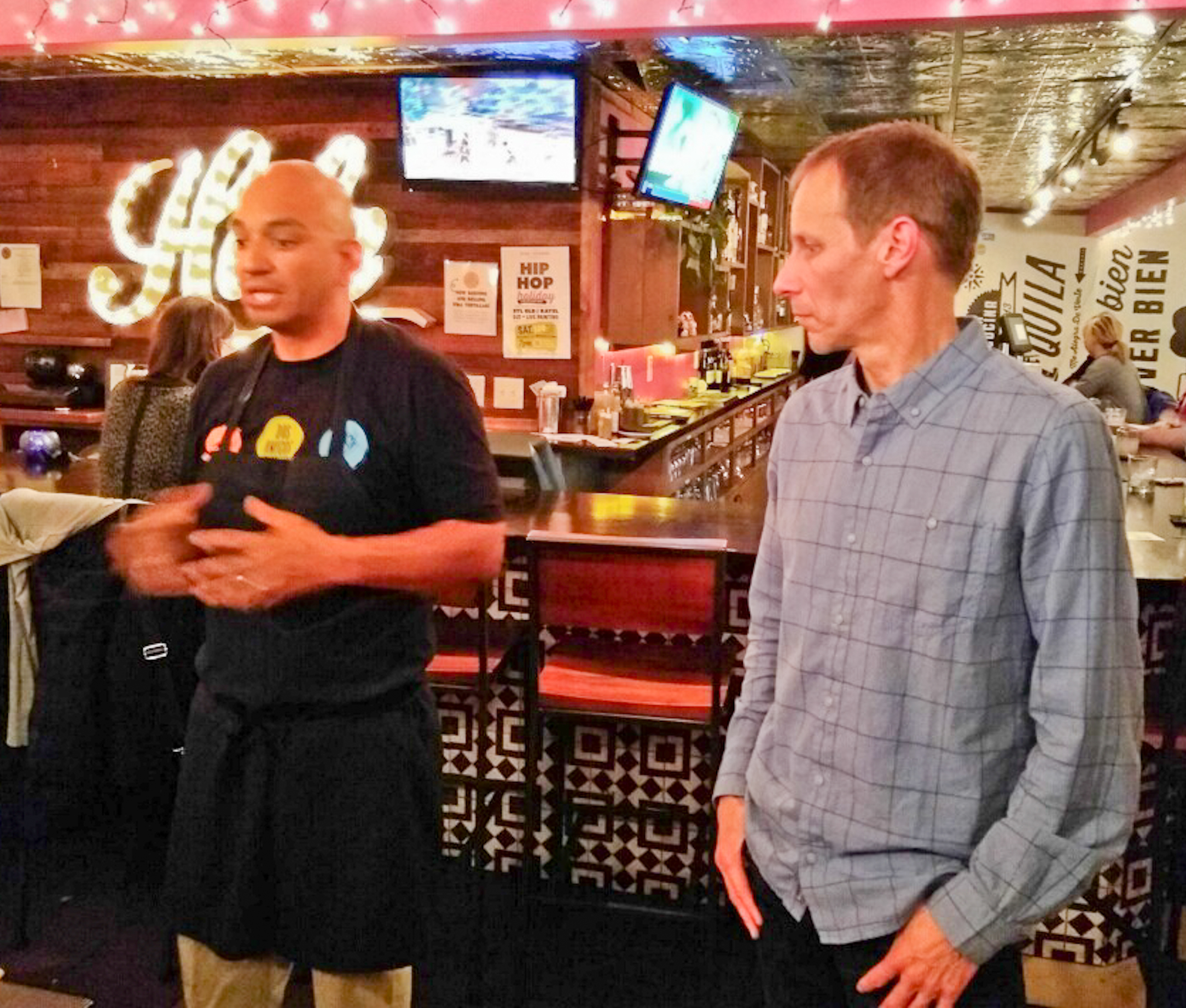
Chef David Vargas discusses his roots in local sourcing.

Deep roots

Chef David spoke about growing up in a Santa Ana (California) neighborhood of little means but deep cultural roots and strong food traditions. His family grew its own vegetables. If they wanted fresh seafood, they went to the local pier and caught it themselves. Local sourcing is ingrained in his DNA and is the bedrock of his menu at Vida Cantina in Portsmouth, N.H.

Chef David spoke about growing up in a Santa Ana (California) neighborhood of little means but deep cultural roots and strong food traditions. His family grew its own vegetables. If they wanted fresh seafood, they went to the local pier and caught it themselves. For him, local sourcing is ingrained in his DNA and is the bedrock of his menu at Vida Cantina in Portsmouth, N.H.

That explains his enthusiasm for hosting a KNOW FISH Dinner®. It was not too far of a leap from the community dining he grew up with, and the embracing of locally sourced food.

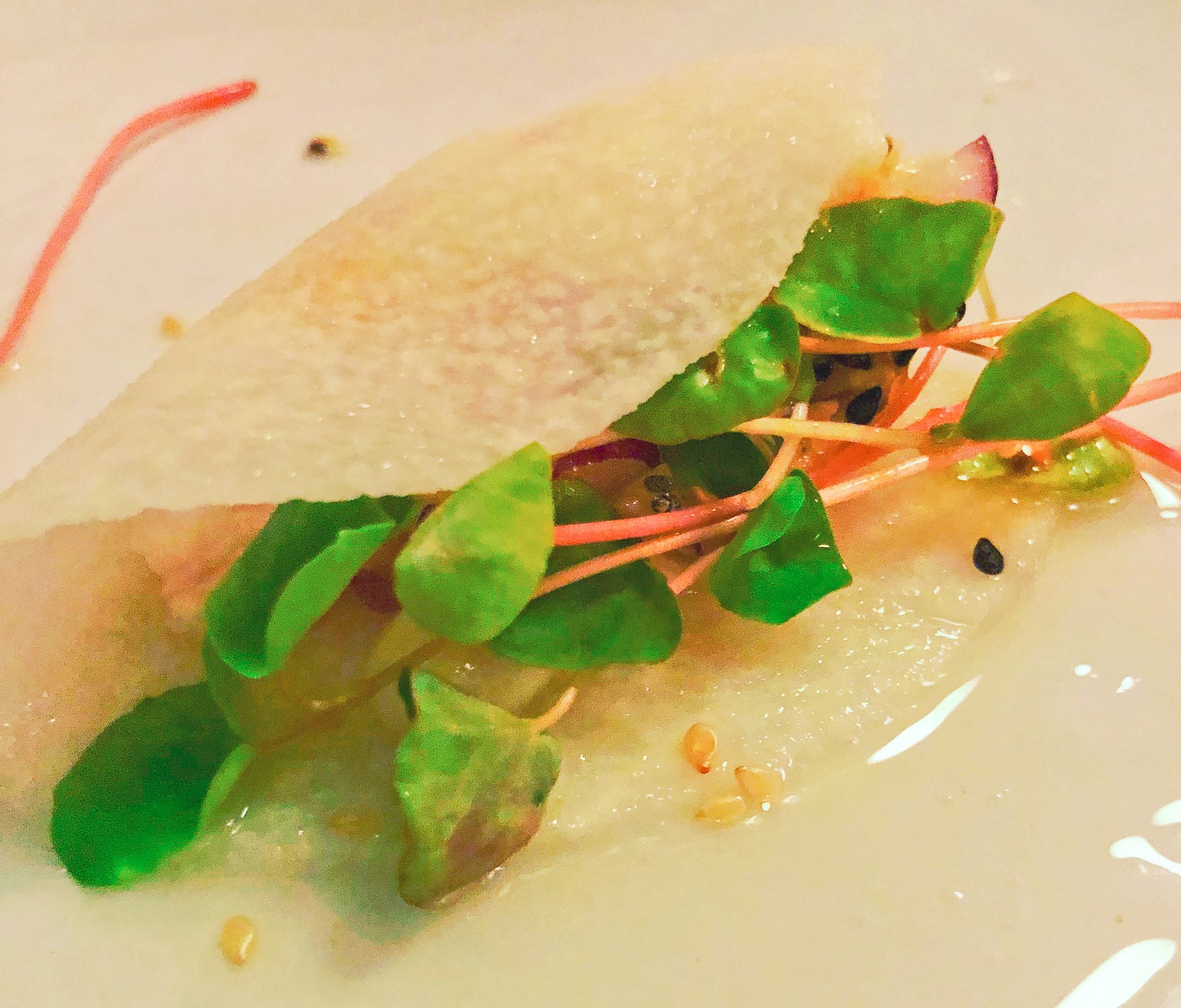
Cod ceviche, courtesy of Chef David Vargas and Capt. Tim Rider. Now that’s boat to table…with flair!

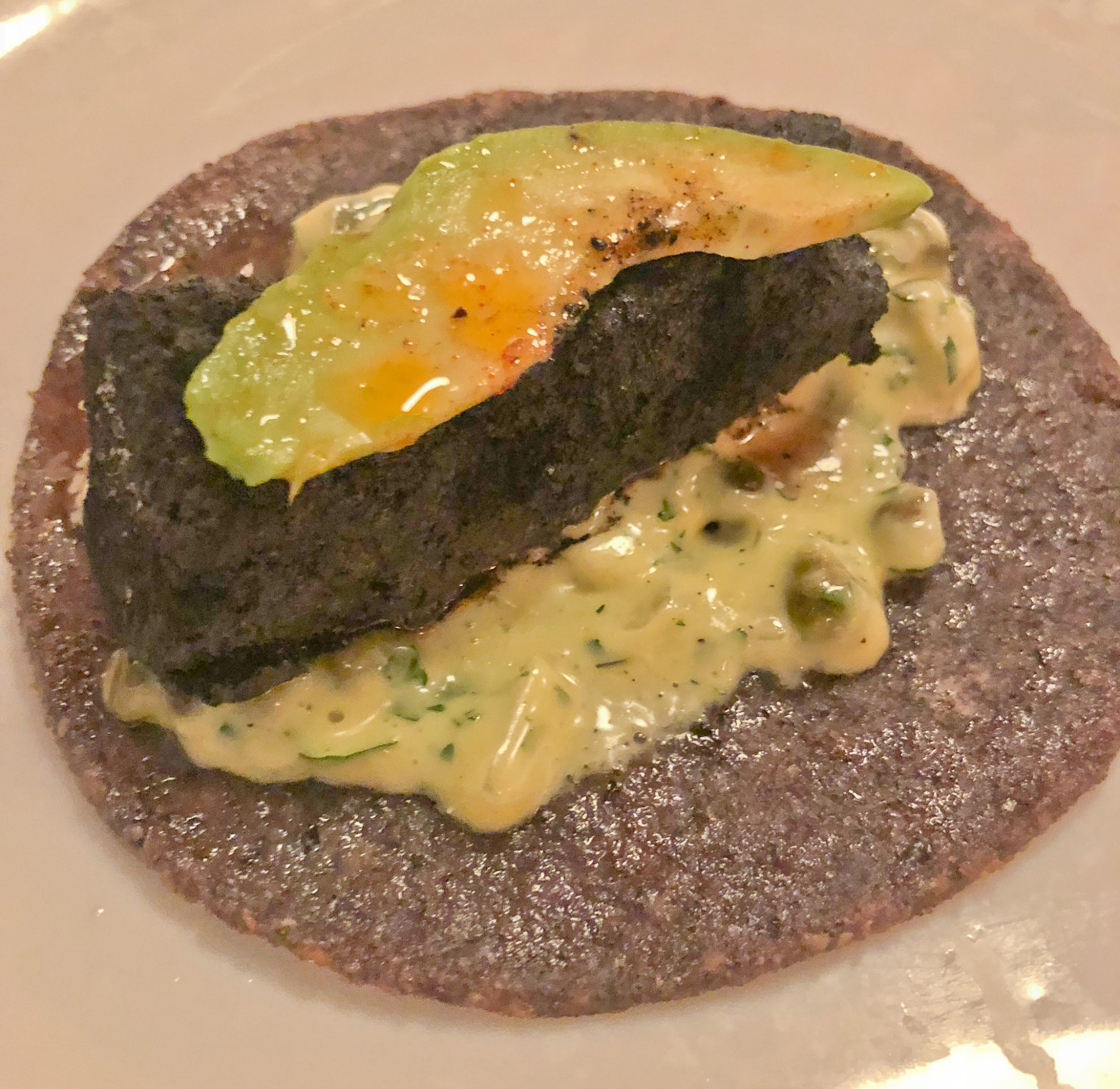
Capt. Tim Rider of New England Fishmongers provided the cod, haddock and pollock (that had been swimming the day before) Chef David turned into south-of-the-border feast fancies: cod ceviche served with a thin, but lightly crisp jicama tortilla and fresh mango, serrano and seeds; charred haddock taco paired with a crispy caper tartar sauce and marinated avocado; and the aforementioned tamale that also came with a mouth-warming charred arbol salsa.

Appreciating fish tales

Capt. Tim also provided some perspective on fishing for a living. He shed light on the passion, drive and unrelenting commitment required just to survive. The long hours, sometimes 20-hour days, sometimes 36 hours, are physically and psychologically draining to be sure.

Charred haddock taco. That marinated avocado complemented the charred coating on the haddock beautifully.

But the attendant pressures to make a living for a captain and crew outside of the actual harvest can be staggering. The expenses can drain bank accounts quickly, which leads to heavy debt. Beyond the table stakes of boat costs such as monthly payments, insurance, fuel, gear, maintenance etc. are, for many, the staggering fees just to be allowed to fish. Someone like Tim may have to pay in excess of $100,000 a year to someone else for the right to fish for cod, pollock, haddock, scallops, flounder and a host of other species in the Gulf of Maine.

It’s the complex, and often debilitating nature of the current fisheries management structure in New England and elsewhere in the United States. Without passion and commitment, facing those kinds of costs and demands on personal well-being would be a short-lived fool’s errand.

And so, KNOW FISH Dinner attendees at Vida Cantina last week gained new appreciation for the fish harvesters who produced the seafood they were eating.

Tim Henry of Bay Point Oyster Company describes the extraordinary patience and commitment to start and run a successful oyster farm.

They also heard from Tim Henry, owner of Bay Point Oyster Company, LLC., who also described the effort to produce top quality oysters right out of Great Bay in New Hampshire. It’s a three-year commitment, requiring tons of patience, significant capital, physical fortitude and an ability to adapt to constantly changing circumstance. Heavy rains can force the state to shut down the harvest, and alter scheduled deliveries, for example.

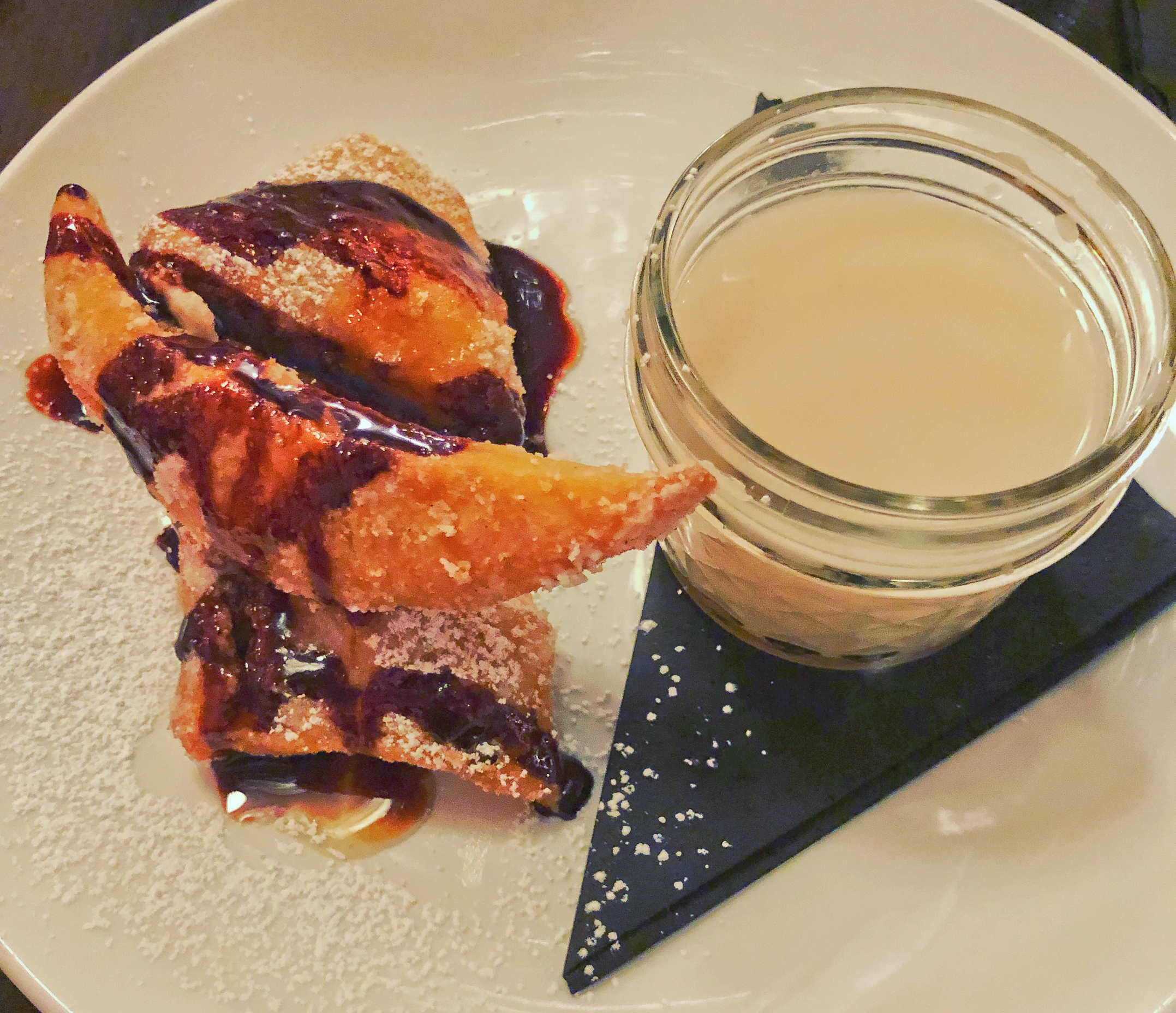
Dessert. This is the first good sopapilla I’d had since childhood.

As we dined on light, crisp sopapillas drizzled in chocolate sauce and local honey, we discussed why knowing the story behind the food we eat, especially the seafood we eat, matters. This is an important point for both classroom and community discussions. When you know when, where, how and by whom your seafood was harvested, you can appreciate the effort that went into producing that seafood. Moreover, you can trust it.

Frozen shrimp from Thailand? Not so much.

Recent Posts

  • Hurricane Ida wreaks havoc on Louisiana’s seafood industry
  • EPA Should Use Clean Water Act To Kill Zombie Mine
  • Slow Fish 2021: Relationship Matters
  • Faith, Façades, and Futility
  • Pebble Permit Paused: Politics at Play

Archives

  • September 2021
  • August 2021
  • April 2021
  • December 2020
  • August 2020
  • June 2020
  • February 2020
  • December 2019
  • November 2019
  • October 2019
  • July 2019
  • May 2019
  • April 2019
  • March 2019
  • January 2019
  • December 2018
  • November 2018
  • June 2018
  • May 2018
  • March 2018
  • February 2018
  • January 2018
  • December 2017
  • November 2017
  • October 2017
  • September 2017
  • August 2017
  • July 2017
  • June 2017
  • May 2017
  • April 2017
  • March 2017
  • January 2017
  • December 2016
  • November 2016
  • October 2016
  • September 2016
  • August 2016
  • July 2016
  • June 2016
  • May 2016
  • April 2016
  • March 2016
  • February 2016
  • January 2016
  • December 2015
  • November 2015
  • October 2015
  • September 2015
  • July 2015
  • June 2015
  • May 2015
  • April 2015
  • March 2015
  • February 2015
  • January 2015
Theme by Colorlib Powered by WordPress