Skip to content
One Fish Foundation
  • Blog
    • Aquaculture
    • Education
    • Environment
    • Policy
    • Wild Harvest
    • Fish Tales
  • About
    • About One Fish
    • About Colles Stowell
  • Education
    • Elementary School
    • Middle School
    • High School
  • KNOW FISH Dinners®
  • Resources
    • One Fish Podcast
    • One Fish Foundation in the news
    • The 7 C’s of Sustainable Seafood
    • Newsletter Archive
    • Recipes
      • Skate with Capers and Butter — Chef Rizwan Ahmed
      • Grandma Davis’ Fish Chowder — Jane Almeida
      • Ginger Garlic Tamari Scallops — Colles Stowell
      • Fish Stock — Evan Mallett
      • Mussels San Remo — Chef Rob Martin
      • Salted Pollock Croquettes – Chef Mark Segal
  • Connect
    • Contact OneFish
    • Social
      • Instagram
      • Facebook
      • Twitter
All Blog Posts

DNA Sampling Next Frontier in Fish Counts

  • September 15, 2015October 20, 2021
  • by Colles Stowell
Share it!
Share

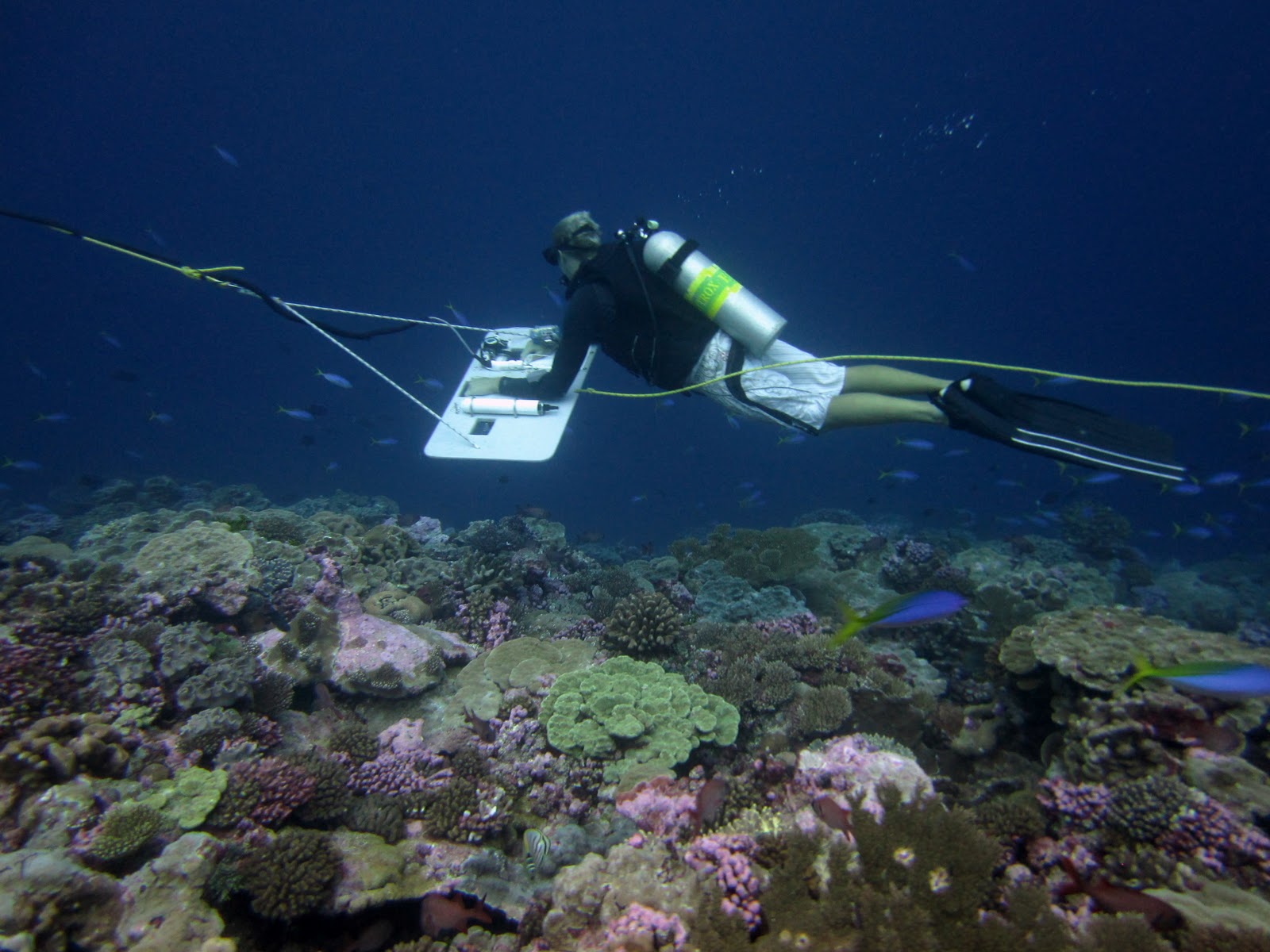
Keeping track of marine ecosystem health is expensive, as discussed in the last blog about the NOAA observer program. Monitoring what species are swimming or living where, and in what numbers often means teams of divers counting individual organisms in defined grids over a period of time. This provides a limited view because of the tiny section of ocean surveyed and just a brief window on activity in that grid at any time. And it costs a lot of money. Other approaches include dredging the ocean bottom to see what comes up, which doesn’t do the seafloor any favors.

However, forensic DNA sampling has advanced to the point where scientists have applied the same molecular focus to marine ecosystems. Just as humans and their pets leave genetic fingerprints via dead skin, hair, saliva, etc., fish and shellfish leave scales, metabolic waste, slime, dead tissue and other matter as they swim or rest in the ocean.

Diver jacks

And scientists have figured out how to identify that DNA swirling about in ocean samples to get a good view of who’s been swimming where. In a paper published earlier this year, scientists at the Center for Ocean Solutions at Stanford University and the University of Washington showed how samples taken from the massive tank at Monterey Bay Aquarium yielded DNA fingerprints of most of the tank’s inhabitants.

They found the amount of DNA in the tank approximately matched the abundance of different organisms, suggesting the test could effectively approximate ecosystem inhabitants (current and recent). The tests also picked up DNA from sea otters that were either in an adjacent exhibit or out in the bay, their DNA showing up via the tank’s intake pipes. That said, the samples did not detect DNA from the sea turtles or giant sunfish swimming around, possibly because they shed their DNA differently from the other species in the tank. So the technology still has room for improvement.
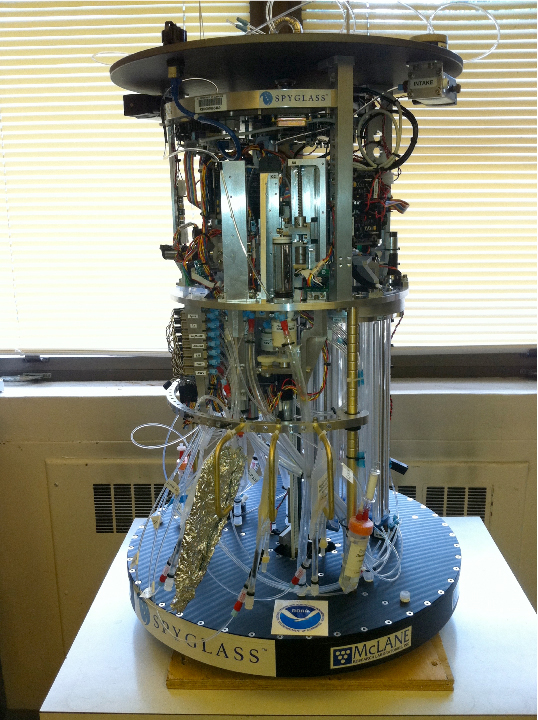
Environmental Sample Processor (ESP) that automatically collects and analyzes water samples.

Not only has gene sequencing become more accurate, it has become cheaper, with a single sample costing around $1,500. That’s still not “cheap,” but it’s cheaper than sending out divers.

More importantly, it’s an example of science taking steps toward providing more usable information to help better gauge ecosystem health. The more we know, the better we can manage these ecosystems effectively.


For more info, check out these links:

Stanford Woods Institute for the Environment

NPR story

KQED Science story

(photo credits: NOAA)

NOAA Mandated Observer Costs a Bad Precedent
Eating Smaller Fish is Better? New Research Says Yes
wpadmin
DNA sampling gene sequencing marine ecosystem Monterey Bay Aquarium Stanford University University of Washington

Related articles

Hurricane Ida wreaks havoc on…
EPA Should Use Clean Water…
Slow Fish 2021: Relationship Matters
Faith, Façades, and Futility
Pebble Permit Paused: Politics at…
Keeping Salmon Wild
Frankenmine: Pebble’s Worst-Case Scenario
Swimming On: the Slow Fish…
Seafood Learning Expeditions
Building Community Over Seafood
Hello world!
Seafood Lovers and the Supply…

Recent Posts

  • Hurricane Ida wreaks havoc on Louisiana’s seafood industry
  • EPA Should Use Clean Water Act To Kill Zombie Mine
  • Slow Fish 2021: Relationship Matters
  • Faith, Façades, and Futility
  • Pebble Permit Paused: Politics at Play

Archives

  • September 2021
  • August 2021
  • April 2021
  • December 2020
  • August 2020
  • June 2020
  • February 2020
  • December 2019
  • November 2019
  • October 2019
  • July 2019
  • May 2019
  • April 2019
  • March 2019
  • January 2019
  • December 2018
  • November 2018
  • June 2018
  • May 2018
  • March 2018
  • February 2018
  • January 2018
  • December 2017
  • November 2017
  • October 2017
  • September 2017
  • August 2017
  • July 2017
  • June 2017
  • May 2017
  • April 2017
  • March 2017
  • January 2017
  • December 2016
  • November 2016
  • October 2016
  • September 2016
  • August 2016
  • July 2016
  • June 2016
  • May 2016
  • April 2016
  • March 2016
  • February 2016
  • January 2016
  • December 2015
  • November 2015
  • October 2015
  • September 2015
  • July 2015
  • June 2015
  • May 2015
  • April 2015
  • March 2015
  • February 2015
  • January 2015
Theme by Colorlib Powered by WordPress