 All Blog Posts
Oceans Rising Faster Now Than In Past 3,000 Years

I wonder if there will ever be a tipping point for climate change deniers. That is, I wonder if a critical mass of scientific evidence suggesting man-made greenhouse gas emissions could ever sway even some of the most outspoken critics of climate change.
Perhaps not.
But as scientific methods become more exact, the scope and depth of research more extensive, and the conclusions of experts around the world more universal, denial becomes harder, and more futile.
New research released Monday suggests that not only have oceans risen over the past roughly 3,000 years, but that seas have risen faster in the 20th century than in the previous 27 centuries. Moreover, this century’s global sea level rise is largely due to anthropogenic greenhouse gas emissions, studies say. In effect, the research highlights just how much we have contributed to global warming and global sea level rise above normal fluctuations.
For example, one study, published in the journal Proceedings of the National Academy of Sciences, points to a strong link between global temperatures and sea levels. The study suggests sea levels would have risen by as much as 7 centimeters in the 20th century without global warming, reflecting the “typical” fluctuations that occur naturally. With global warming caused by man, scientists suggested global sea levels have risen by twice that much or 14 centimeters.
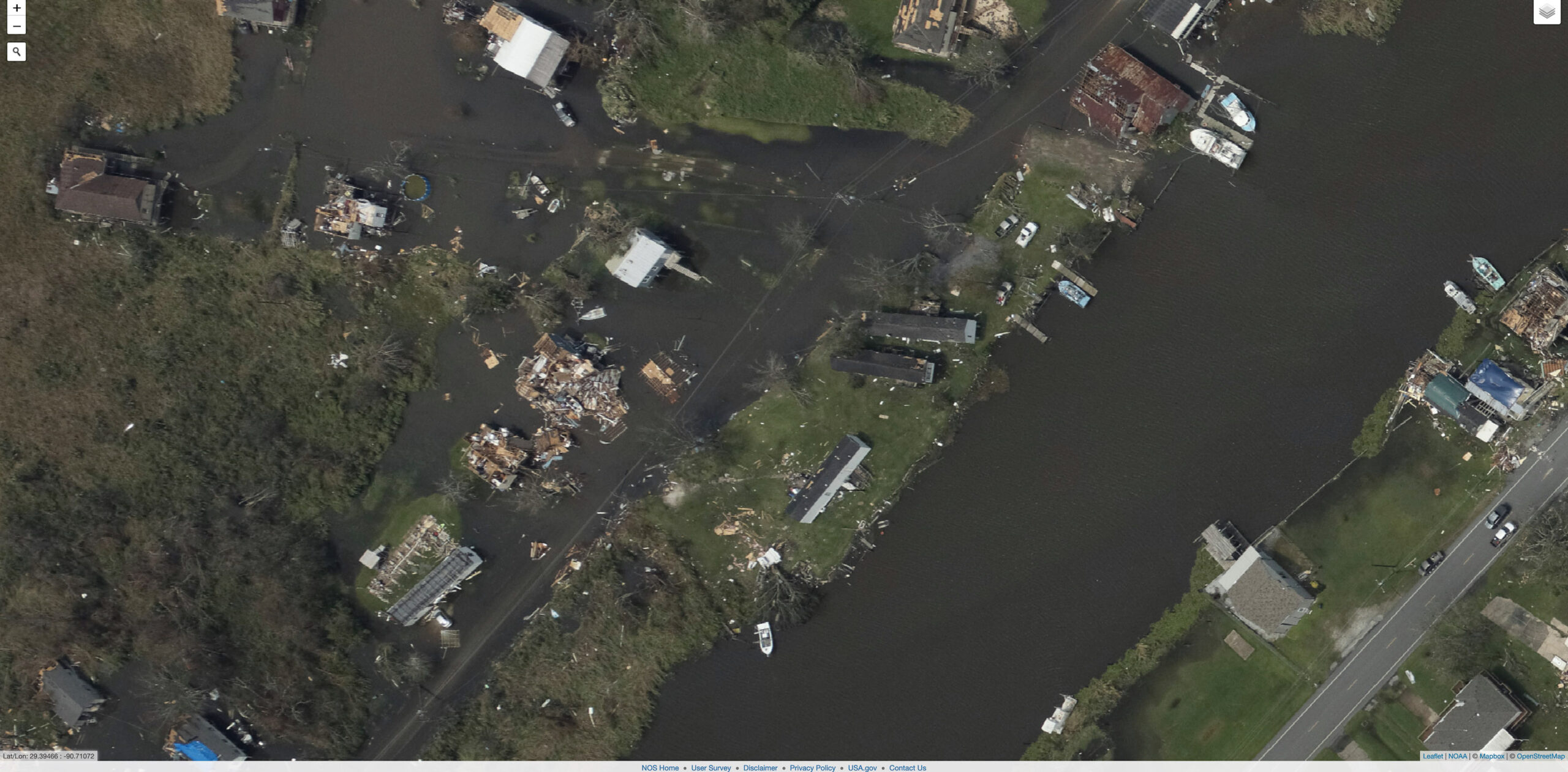
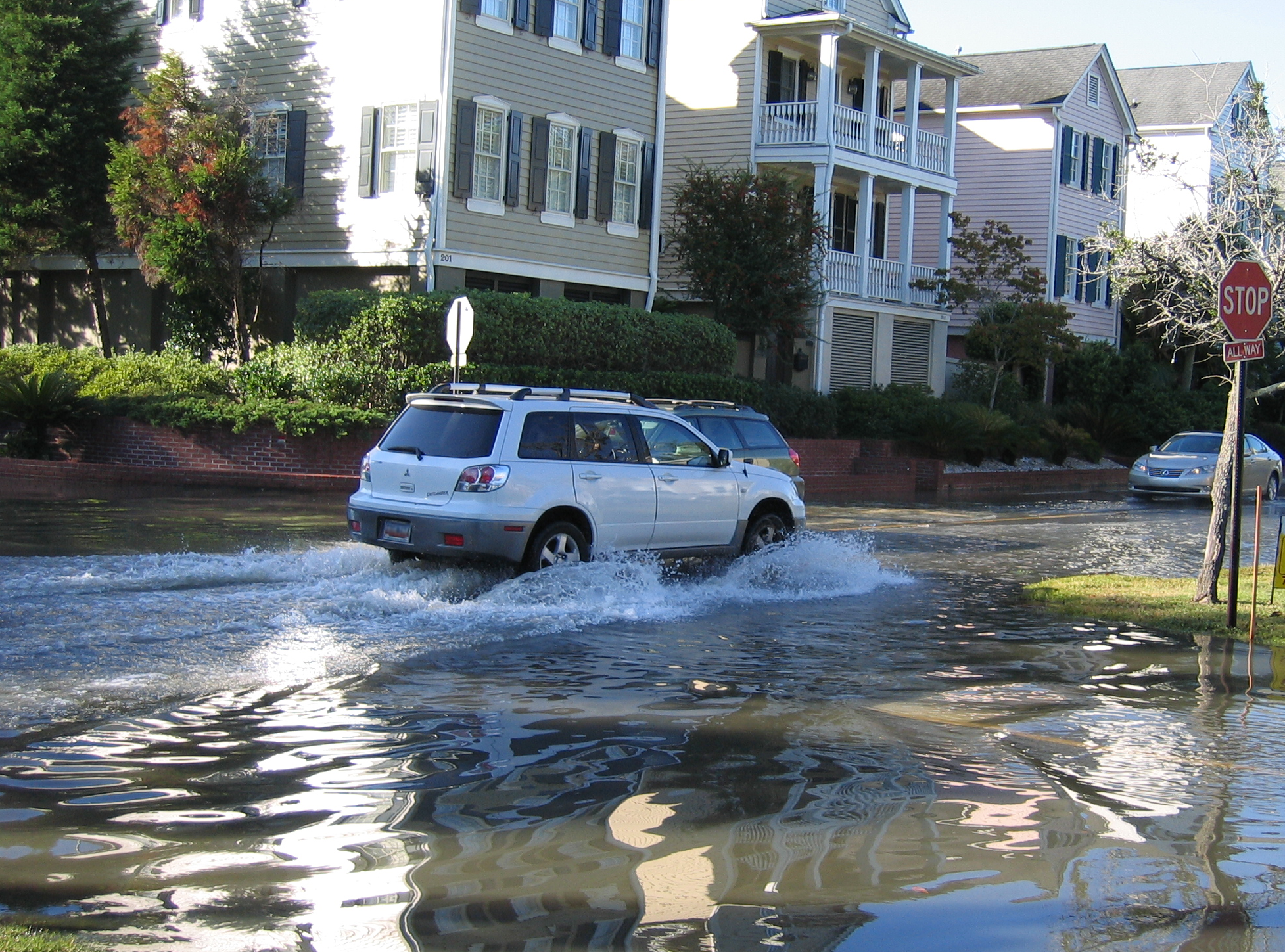
That may not sound like much, but when you account for oceans rising at a current rate of about a foot a century, several coastal communities are already imperiled. If seas rise by as much as four feet by 2100, as many scientists have predicted, communities like Miami, Charleston, S.C. and New Orleans could be under water.
Another study issued Monday, highlights how steadily rising waters have already affected coastal communities, and how much of that is attributable to greenhouse emissions. Scientists used data from instruments called tide gauges, which measure flooding based on above normal water levels in coastal communities around the country. They found that about two thirds of the nuisance flood days (days when waters flooded streets, clogged storm drains etc., but not catastrophic flooding) since 1950 have been caused by man-made emissions. More specifically, researchers found the greatest increase in the number of flood days occurred between 2005 and 2014.
For example, the number of flood days in Wilmington, N.C. jumped from 14 in the 1955-1964 decade to 376 in the last decade of 2005-2014. Researchers attributed 308 days, or more than 80% of those days to human-caused climate change. The researchers also suggested that trend of “nuisance flooding” where low-lying coastal communities experience flooded roads, dying grass, over-taxed infrastructure from high tides amplified by rising oceans will continue, costing billions of dollars in damage and pushing some communities further into danger.
Over time, this kind of flooding also dramatically changes coastal habitat for seafood, forcing many species to relocate, which in turn affects local fishermen as well.
So I wonder how high the pile of scientific and economic evidence needs to get to start changing some of the skeptics’ minds.
Perhaps it won’t happen until they’re flooded with it.
Photo: car driving through flooded street in Charleston, S.C. credit: NOAA