Skip to content
One Fish Foundation
  • Blog
    • Aquaculture
    • Education
    • Environment
    • Policy
    • Wild Harvest
    • Fish Tales
  • About
    • About One Fish
    • About Colles Stowell
  • Education
    • Elementary School
    • Middle School
    • High School
  • KNOW FISH Dinners®
  • Resources
    • One Fish Podcast
    • One Fish Foundation in the news
    • The 7 C’s of Sustainable Seafood
    • Newsletter Archive
    • Recipes
      • Skate with Capers and Butter — Chef Rizwan Ahmed
      • Grandma Davis’ Fish Chowder — Jane Almeida
      • Ginger Garlic Tamari Scallops — Colles Stowell
      • Fish Stock — Evan Mallett
      • Mussels San Remo — Chef Rob Martin
      • Salted Pollock Croquettes – Chef Mark Segal
  • Connect
    • Contact OneFish
    • Social
      • Instagram
      • Facebook
      • Twitter
All Blog Posts

Sustainable Seafood Class Is in Session

  • October 26, 2015October 20, 2021
  • by Colles Stowell
Share it!
Share

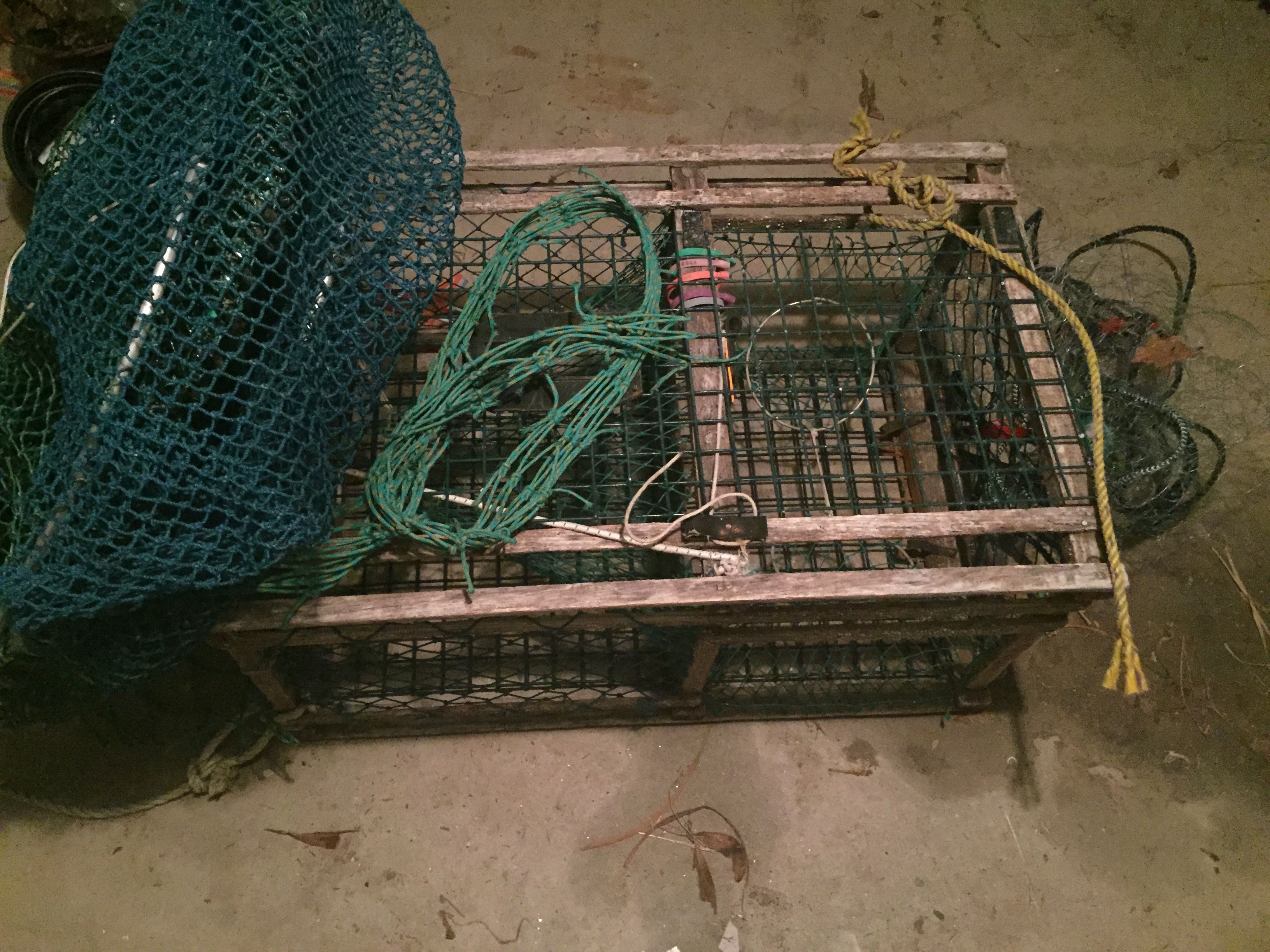
Lobster trap? Check.

Gillnet? Check.

Turtle excluder device? Check.

I’m going in.

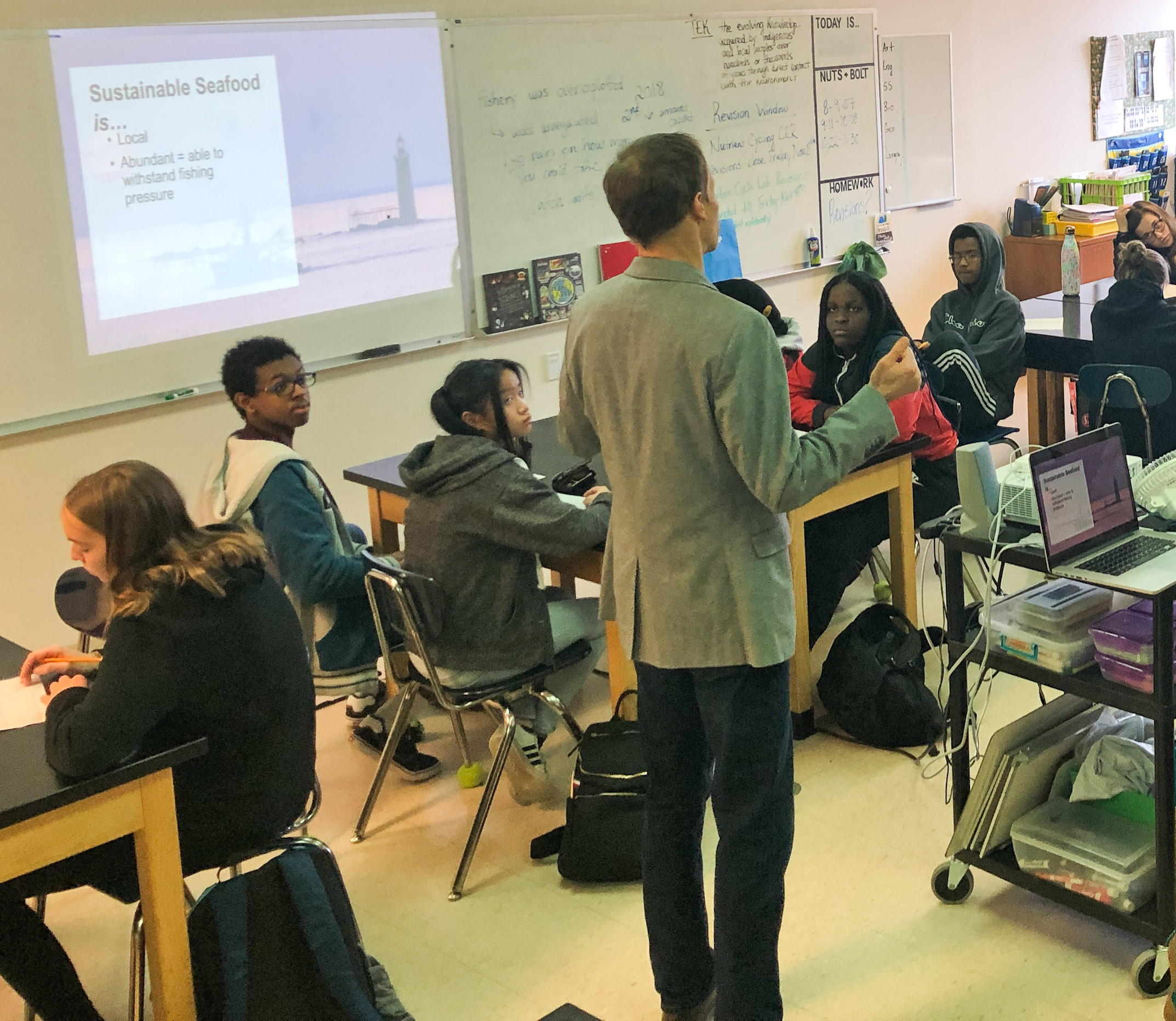
Tomorrow One Fish Foundation is headed to the Mahoney Middle School in South Portland to talk to 6th grade Geography students about sustainable seafood.

I think back to the moment a couple of years ago when I first thought about telling students where seafood comes from and how it gets on their plates. I had just served as an “expert” listening to the in-depth sustainability expeditions of 9th graders at the Casco Bay High School for Expeditionary Learning in Portland Maine. The school steeps students in long-term, real-life projects called expeditions, which are focused on a single topic.

I was blown away.

One minute into the first student’s description of his research into the 2014 closure of the Maine shrimp season I realized this curriculum was more creative, more compelling and more rigorous than anything I faced in the early 80s. The student eloquently and accurately explained the reason for the closure – an Atlantic States Marine Fisheries Commission ASMFC decision based on the precipitous drop in landed shrimp in 2012 and 2013. He also pointed to research from the Gulf of Maine Research Institute and other sites suggesting that warmer water fueled by climate change, along with a decrease in phytoplankton and increased predation may have affected reproduction and survival rates.

This 14-year-old had done much of the same research I had done, and he had the interest and drive to keep digging for answers to questions like: What is the cause? What is the sustainable solution? How do we learn from past lessons?

I came away from the experience enlightened, jealous (that I didn’t have that experience in school) and motivated. I’d been writing about sustainable seafood and sustainable fisheries for four years. Why not bring those messages into classrooms where kids are beginning to ask questions about where food comes from, and what they can do to learn more?

So here I am, putting the finishing touches on a lesson plan that will ask 10- and 11 year-olds to think about how their local geography dictates what seafood is available to them, how some of that seafood is caught, and which seafood is abundant. Most importantly, I want to get them confident enough to ask questions in stores and restaurants, and to perhaps even discuss with their families why making sustainable choices is important.

If I can achieve that, I’ll have succeeded.

Climate Change Could Have Unintended Benefit in Arctic
Climate Change: Setting the Wrong Records
wpadmin
cod geography gillnet lobster trap Sustainable Seafood turtle excluder device

Related articles

Hurricane Ida wreaks havoc on…
EPA Should Use Clean Water…
Slow Fish 2021: Relationship Matters
Faith, Façades, and Futility
Pebble Permit Paused: Politics at…
Keeping Salmon Wild
Frankenmine: Pebble’s Worst-Case Scenario
Swimming On: the Slow Fish…
Seafood Learning Expeditions
Building Community Over Seafood
Hello world!
Seafood Lovers and the Supply…

Recent Posts

  • Hurricane Ida wreaks havoc on Louisiana’s seafood industry
  • EPA Should Use Clean Water Act To Kill Zombie Mine
  • Slow Fish 2021: Relationship Matters
  • Faith, Façades, and Futility
  • Pebble Permit Paused: Politics at Play

Archives

  • September 2021
  • August 2021
  • April 2021
  • December 2020
  • August 2020
  • June 2020
  • February 2020
  • December 2019
  • November 2019
  • October 2019
  • July 2019
  • May 2019
  • April 2019
  • March 2019
  • January 2019
  • December 2018
  • November 2018
  • June 2018
  • May 2018
  • March 2018
  • February 2018
  • January 2018
  • December 2017
  • November 2017
  • October 2017
  • September 2017
  • August 2017
  • July 2017
  • June 2017
  • May 2017
  • April 2017
  • March 2017
  • January 2017
  • December 2016
  • November 2016
  • October 2016
  • September 2016
  • August 2016
  • July 2016
  • June 2016
  • May 2016
  • April 2016
  • March 2016
  • February 2016
  • January 2016
  • December 2015
  • November 2015
  • October 2015
  • September 2015
  • July 2015
  • June 2015
  • May 2015
  • April 2015
  • March 2015
  • February 2015
  • January 2015
Theme by Colorlib Powered by WordPress