 All Blog Posts
KNOW FISH: Know your fishermen and make a difference

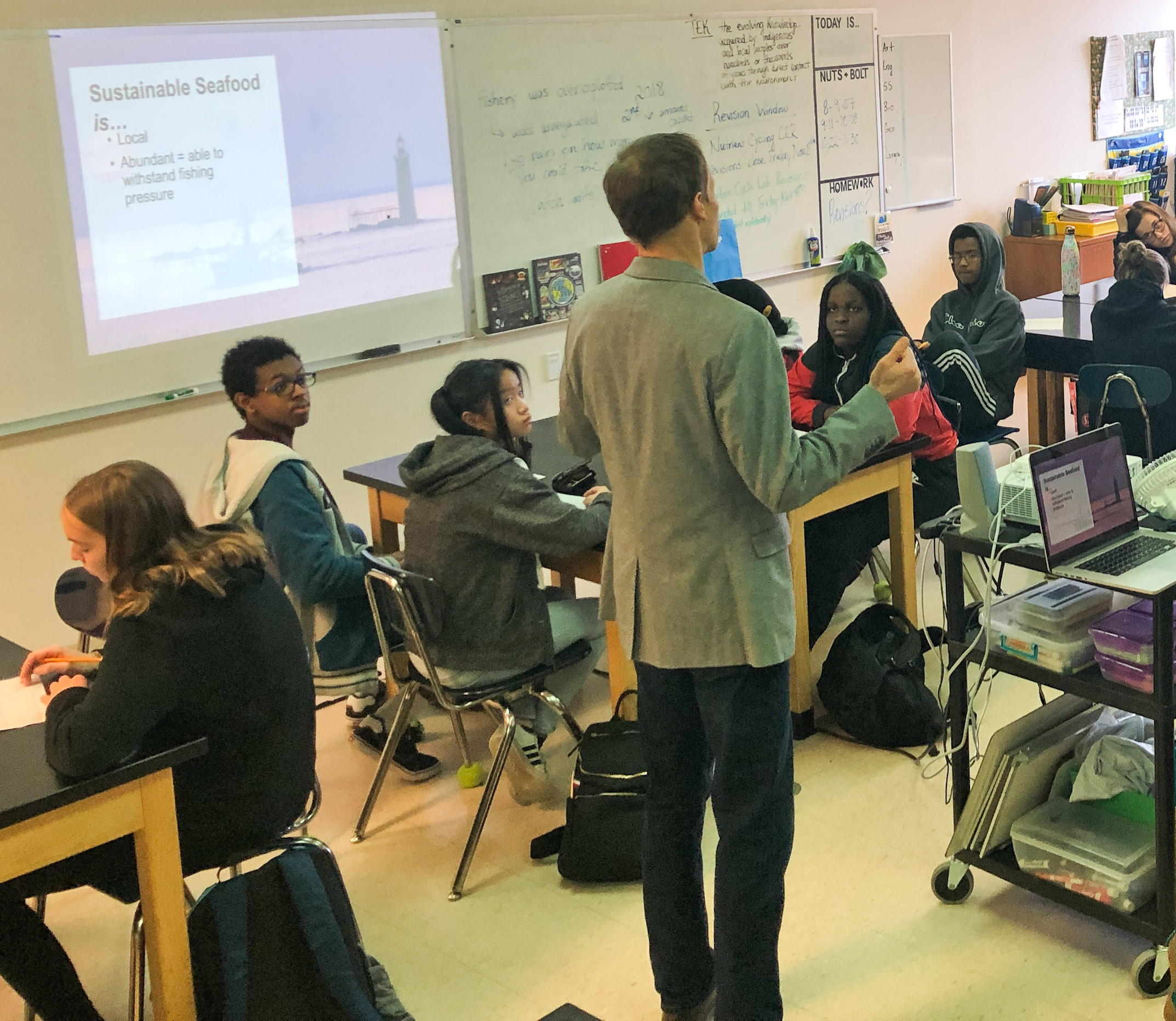
Relating sustainable seafood concepts is not always a linear conversation. Sure, you can cover the essentials: Buy local; buy abundant; avoid harmful harvest methods; be aware of any regulatory compliance issues. But getting the message to sink in involves an emotional trigger from the consumer. They have to care about it.
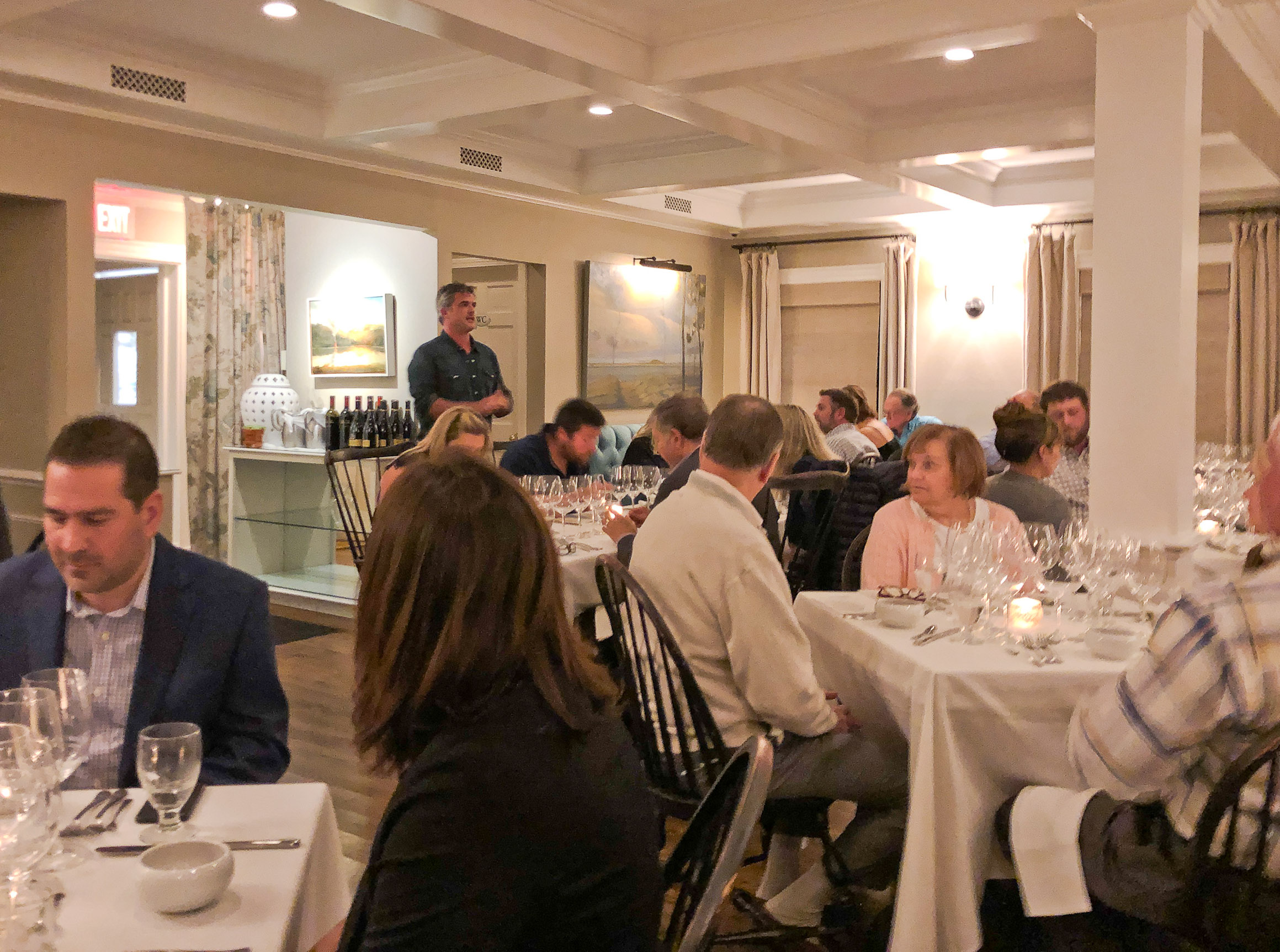
So I told the crowd at the KNOW FISH dinner at Franklin Oyster House in Portsmouth, NH Tuesday night that they might approach their next seafood purchase the same way they do when buying eggs or produce at a farmer’s market. That direct-from-the-producer purchase almost instantly resolves many of the trust issues that arise with buying seafood at a store or restaurant.
Seafood consumers have the right to ask the same questions standing at a seafood counter or sitting in front of a menu that they would have buying ground beef from the farmer. Where does it come from? How was it harvested? When was it harvested? If it was farmed, what was it fed?
One conversation at a time
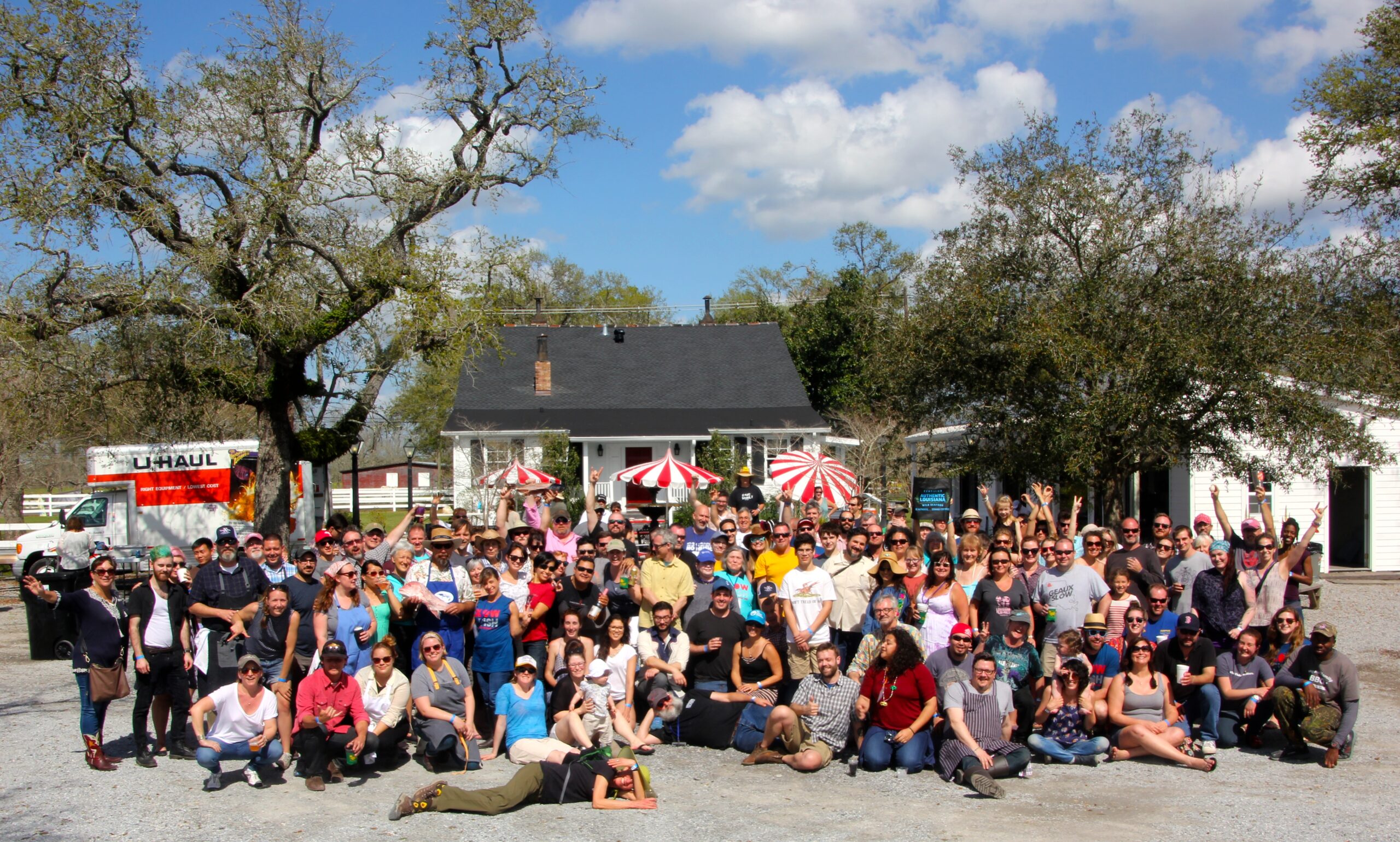
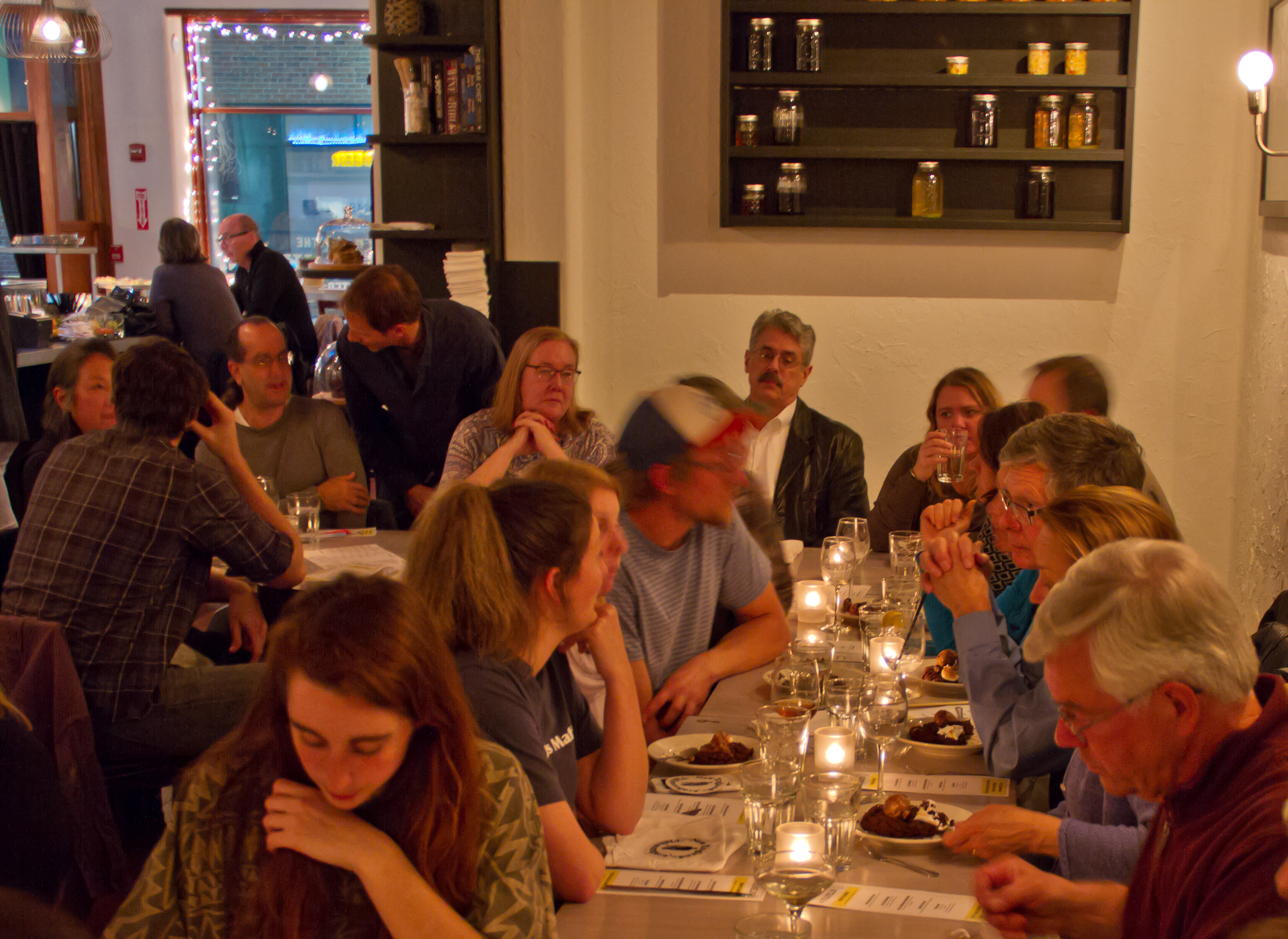
It was anything but a quiet dinner. It was an engaging conversation and everyone was involved. The food curious. The fishermen. The locals looking for an interesting evening discussion and dinner. The oystermen. The foodies. The activists.
At the outset, I invited everyone into the conversation by asking them to either announce why they’d attended the KNOW FISH dinner or to mention a key factor in their seafood buying decisions.
From there, the conversation took off, and we covered topics such as sustainable seafood definitions, the shockingly high proportion of imported seafood consumed in the U.S., industrial scale fishing impacts on global and domestic markets, climate change, what to look for in local seafood and how to support local fishermen.
Fish tales
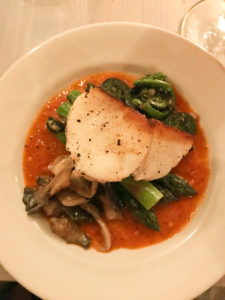
People were able to ask Capt. Tim Rider about how and why he fishes with rod and reel for ground fish. They wanted to know where they could get his fish, which was brilliantly prepared by Chefs Matt Louis and Matt Decker. Salt Cod Brandade with a killer ramp pesto and Roasted Cod that was swimming about five hours before it arrived on our plates. And what a treat it is was to taste the spring bounty of fresh fiddleheads, asparagus and ramps!
Capt. Tim suggested attendees patronize restaurants like Franklin Oyster House Black Trumpet and 7th Settlement in Seacoast N.H., and When Pigs Fly Pizzeria in Kittery, Me. (as well as other area restaurants) that buy fish from New England Fishmongers, the company he and business partner Amanda Parks operate. He also mentioned that they have started a local community supported fishery, which like a CSA, allows people to buy shares of the upcoming catch every week during a season. This model replicates the farmer’s market buying experience.
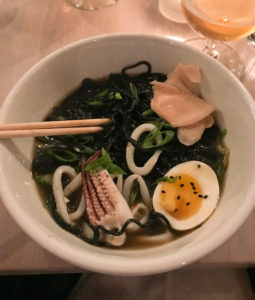
Attendees asked oysterman Tim Henry of Bay Point Oyster Company about the Franklin Oyster, which was served at the beginning of the meal, and which Tim grows expressly for Chef Matt Louis at Franklin Oyster House. They talked about some aquaculture details such as the process of nurturing the spat that grows into adult oysters with oysterman Brian Gennaco of Virgin Oyster Co. This conversation was set to the backdrop of an otherworldly Asian-inspired dish featuring grilled squid served over squid ink ramen cooked in a green crab stock. That stock fed the conversation about why green crabs do so much ecological harm and the ways of trying to popularize their use in cooking.
As everyone tucked into a chocolate-coma-inducing dessert called “Phish food” (a “fudgy” cookie topped with chocolate ice cream, caramel and a torched marshmallow), we talked about how individually and together we can make a difference. Individually, attendees can refer to seven sustainable seafood principles printed on the back of the evening’s menu when considering seafood. Together, we all need to spread the message. When, where, how, and by whom seafood is harvested matters. It matters, locally to our diets, our conscience, the fishermen in our communities, the communities themselves, and the seafood resource. It also has global significance.
The next KNOW FISH dinner at Tinos Greek Kitchen on May 23 will continue this conversation.
The more we have these conversations, the more we shift the current domestic dynamic.
Here’s how to get your tickets and get in on the discussion.
Top photo credit: Stephen Martin