Skip to content
One Fish Foundation
  • Blog
    • Aquaculture
    • Education
    • Environment
    • Policy
    • Wild Harvest
    • Fish Tales
  • About
    • About One Fish
    • About Colles Stowell
  • Education
    • Elementary School
    • Middle School
    • High School
  • KNOW FISH Dinners®
  • Resources
    • One Fish Podcast
    • One Fish Foundation in the news
    • The 7 C’s of Sustainable Seafood
    • Newsletter Archive
    • Recipes
      • Skate with Capers and Butter — Chef Rizwan Ahmed
      • Grandma Davis’ Fish Chowder — Jane Almeida
      • Ginger Garlic Tamari Scallops — Colles Stowell
      • Fish Stock — Evan Mallett
      • Mussels San Remo — Chef Rob Martin
      • Salted Pollock Croquettes – Chef Mark Segal
  • Connect
    • Contact OneFish
    • Social
      • Instagram
      • Facebook
      • Twitter
All Blog Posts

Hurricane Ida wreaks havoc on Louisiana’s seafood industry

  • September 8, 2021October 20, 2021
  • by Colles Stowell
Share it!
Share

This time, the levees around New Orleans held. The reduced flooding in the city after Hurricane Ida helped minimize the catastrophic loss of life following Hurricane Katrina 16 years ago.

But some levees in southern parishes didn’t fair as well. And Ida’s widespread devastation fueled by sustained 150 mph winds will have long-term consequences for Louisiana’s seafood industry.

I spoke with Lance Nacio, owner of Anna Marie Seafood in Montegut, La. on Monday to get a sense of what folks down there are dealing with. Here is a quick snapshot of our conversation:

  • He and his family are fine, living on his two fishing boats and in his house. The house, the boats and the processing facilities all weathered the storm pretty well, though there are some things to fix.
  • His boats are trapped in the canal across the street from his house until Sept. 29, which is the estimated time when power should be restored to allow the drawbridges to raise and let the boats motor to the Gulf of Mexico and begin fishing.
  • More than 60% of the structures in Terrebonne Parish (the 2,000-square mile parish south and west of New Orleans where Lance and many other fishermen live) are uninhabitable, according to authorities.
  • Lance predicts that many residents will not return in what may be a more expansive exodus than after Katrina.
  • This exodus will not only include fishermen, but also those who run critical infrastructure operations like docks, ice houses, boat maintenance operations, processing facilities, etc.
  • He will be working with Chef Dana Honn of Carmo to provide meals for first responders and line crews from across the country.

In essence, the industry in the state that provides the highest volume of domestically harvested wild shrimp and crab is in trouble. The entire regional seafood supply chain from boat to plate will likely be a shell (take or leave the pun) of itself in just a few months, sending shock waves across the country and around the world. As Dana said, “The fish will be out there. But with no infrastructure in place, who’s going to come back?” Louisiana Congressman Garrett Graves has formally called on the US Department of Commerce to declare a Fisheries Disaster Determination for the region to unlock funds to counteract the pending economic damage.

Worse still is the likelihood that further climate change will spin off more intense hurricanes like Ida and Katrina more frequently, leaving the Gulf Coast more vulnerable to long-term ecosystem damage.

This summer alone has seen several catastrophic events highlighting how climate change can have severe impacts on food systems:

  • the sweltering heat weave that smothered the Pacific Northwest for several days, literally cooking some oysters in their shells;
  • the anemic wild Pacific salmon runs in the Yukon territories, forcing remote Indigenous communities to scramble for winter food stores;
  • the devastating fires across California and other western states that have devoured millions of acres of old growth forest (very important to watersheds) and farmland.

Want to get involved? Here are a few ways to do so with a focus on Hurricane Ida’s aftermath:

  • Several people and organizations are raising funds for relief efforts, including providing food, shelter, medical services and supplies, debris removal, and repairs. Here are a couple of resources:
    • Chef Dana is raising money to support Lance’s efforts to help his community and feed first responders and line workers.
      • Venmo: @Lance-Nacio
      • PalPal: orders@annamarieshrimp.com
      • Zelle: Lance Nacio
    • Coastal Communities Consulting, Inc. is a nonprofit organization supporting coastal businesses and fishermen in La. It is doing good work to provide info on everything from prescriptions to food and water as well as coordinating donations.
    • Gulf South Rapid Response Community Controlled Fund provides disaster relief directly to frontline communities in the Gulf South impacted by climate disasters. Local leaders have committed to a transparent and accountable process for the money – which will allow communities to practice self-governance and self-determination.
  • The Gulf Coast Center for Law and Policy is hosting a national press conference Thursday Sept. 9 from 10:30 am – 11:30 am CDT to address Ida’s impact on the Gulf Coast region and the nation. Here’s a link to more information.
  • Learn more about the Sustaining America’s Fisheries for the Future Act, which is a congressional bill that mandates accounting for climate change when setting fisheries policy in the U.S. This bill officially calls for the re-authorization of the Magnuson-Stevens Act, the primary fisheries management policy for the U.S. If you agree with its direction, contact your Congressional representatives and tell them to support it.
  • Learn more about the Keep America’s Waterfronts Working Act, a congressional bill that aims to preserve working waterfronts, like the ones in jeopardy in southern Louisiana following Hurricane Ida. Again, if you like what you see, contact your Congressional representatives.

The last thing we can all do is spread the word. The more folks know what’s going on and what’s at stake, the more the broader community can get involved and help chart the industry’s future.

We’ll post more updates in this blog and via our Facebook page.


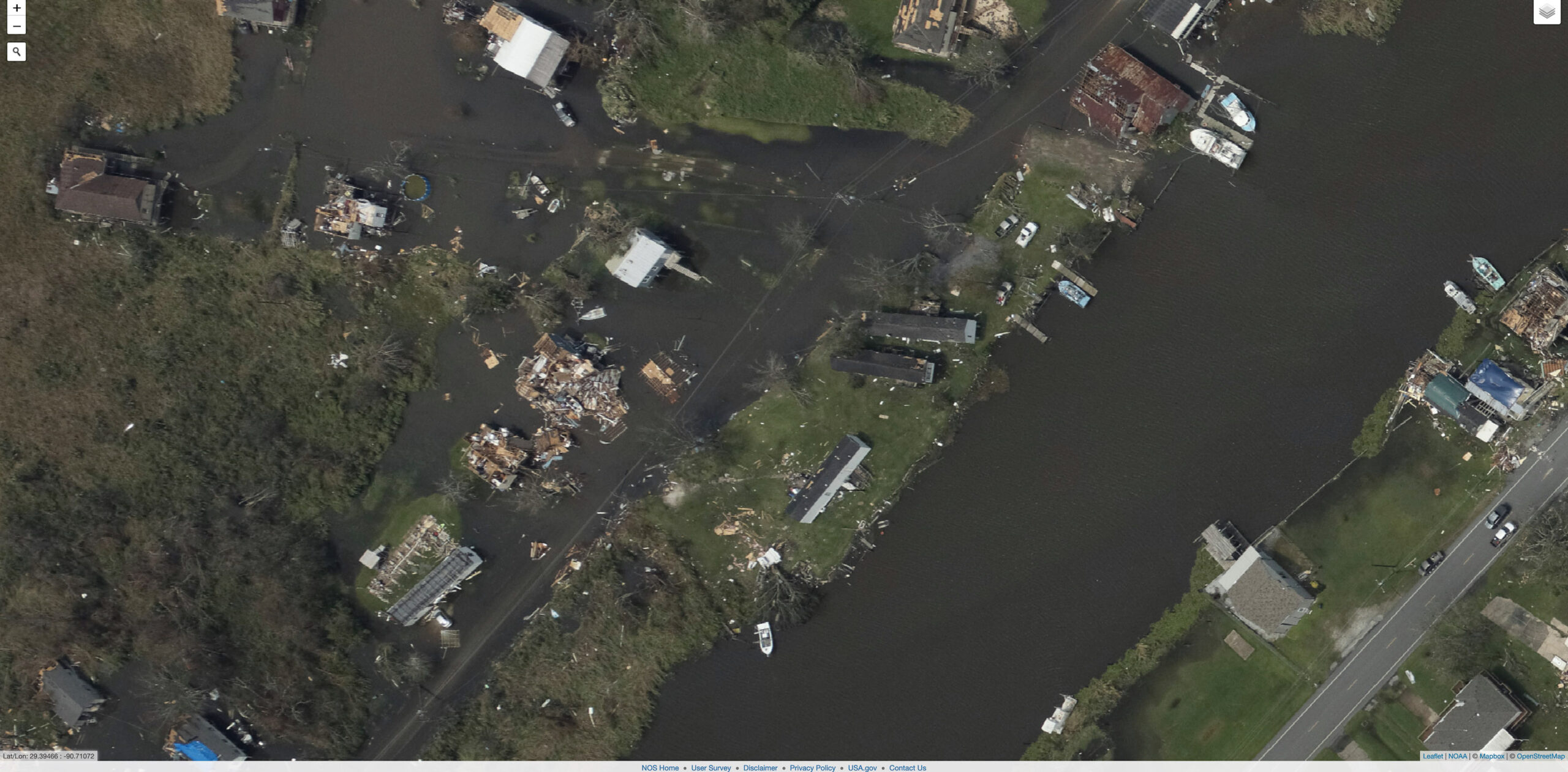
Top photo: NOAA satellite image of Hurricane Ida’s destruction in Terrebonne Parish.
All Blog Posts

Keeping Salmon Wild

  • June 16, 2020October 19, 2021
  • by Colles Stowell
Share it!
Share
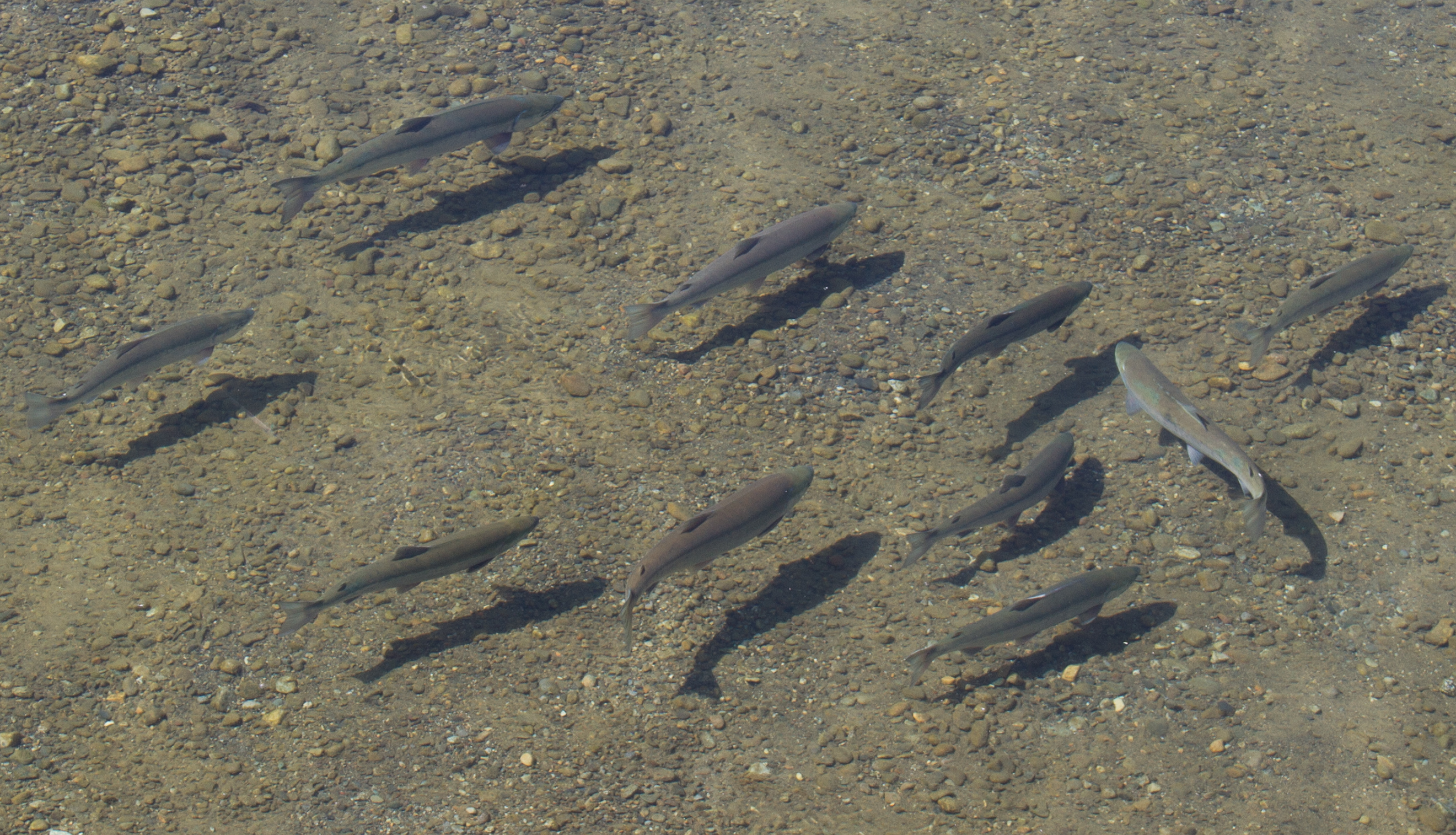
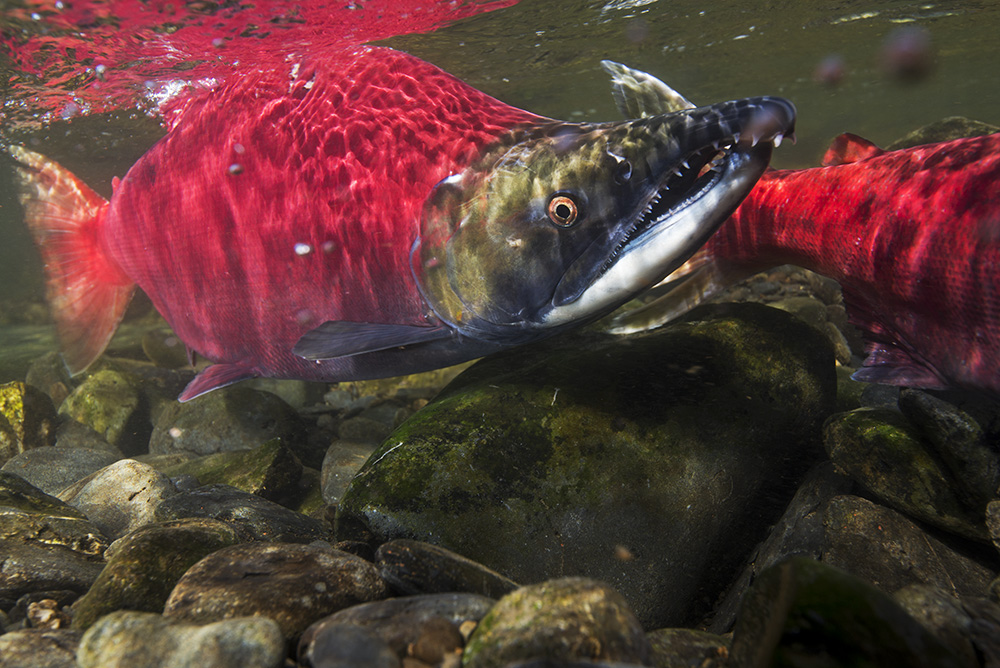
Top photo: Spawning sockeye salmon
From the book, The Salmon Way: An Alaska State of Mind, by Amy Gulick
©Amy Gulick/amygulick.com
To buy the book: www.thesalmonway.org


If we humans were to be judged by how we treat natural resources, we’d be up a creek … likely a toxic creek.

We don’t need to look far for evidence. Oceanic and atmospheric pollution, polluted groundwater, dammed rivers, etc. Bad policies, bad habits, and slow reaction to warning signs have compounded the problem.

I’ve focused on the proposed Pebble Mine in Bristol Bay, Alaska for several years. This would be a massive open pit copper and gold mine at the headwaters of the world’s largest wild sockeye salmon run. It would jeopardize the runs of several salmon species and the water supply and food source for thousands in and around the bay as well as the livelihoods of thousands of fish harvesters and those working at processors. Not to mention the impact on millions of Americans who eat wild Alaska salmon.

These types of mines generate billions of tons of highly toxic waste like cyanide, arsenic, and copper that are deadly to fish and their habitat. And they have a long and incontrovertible history of failure.

The Pebble mine’s Canadian owner, Northern Dynasty Minerals, has spent millions of dollars on lobbying Alaska’s governor and the Trump Administration to steamroll its scientifically flawed, questionably ethical permit application through the Army Corps of Engineers. The Corps has already said it will NOT take into account the worst-case scenario of a tailings (toxic waste) dam failure because it does not consider it likely … despite the fact the site is in a very seismically active area and tailings dam failures have happened elsewhere around the world.

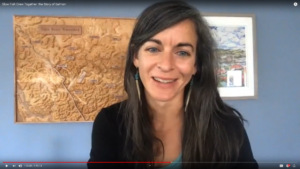
Elizabeth Herendeen of SalmonState providing some good perspective on opposition to the Pebble Mine during the Slow Fish Crew Together Webinar.

As Elizabeth Herendeen of SalmonState mentioned during the last Slow Fish Crew Together Webinar on June 5, a majority of folks in Bristol Bay and throughout Alaska have consistently opposed the mine. And yet, Pebble sits on the precipice of gaining the federal permit it needs to move forward. The Corps of Engineers could make an announcement some time in June or early July.

Others we heard from during the webinar about the perils of the mine and what we can do now include dear friends Captain Katherine Carscallen, “The Wild” film director Mark Titus, Melanie Brown of SalmonState, and Jon Broderick, who launched the amazing Fisher Poet Gathering in Astoria, Oregon and sang a lament about the loss of the wild salmon in Bristol Bay if the Pebble Mine were to ever be approved.

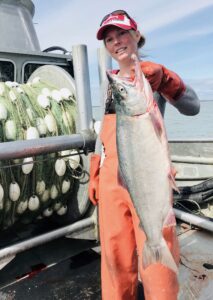
Captain Katherine Carscallen aboard her F/V Sea Hawk.

Born and raised in Dillingham, Alaska, Katherine is a drift netter who shared a heartfelt  and compelling viewpoint about her deep personal connection to the bay, the fish and the community, and why she has been fighting this mine for more than a decade. “Our concern is that it would be a permanent, and irreversible and hugely damaging change to our entire region. It’s salmon country. That’s what Bristol Bay is about, and this [mine] is proposing to change that entirely,” she said.

“The only reason we don’t have a mine and a mine hasn’t been built in the past 16 years since it’s been threatened is because not just Bristol Bay residents and Alaskans, but really people all over the nation have come together to help us on this issue and speak out about it,” Katherine said. “It really makes my heart swell that so many people who’ve never even been to Bristol Bay care so much about this issue.”

Mark Titus shared an equally personal story about starting to film “The Wild” shortly after leaving rehab for addiction in 2016. He returned to the bay to tell this story in part as a way to reconnect to the bay, the land, the salmon, and the community that he’d fallen in love with decades before.

“The Wild” Film Director Mark Titus reconnecting with Bristol Bay.

“I was really called back from this place that I was in by this love for these wild salmon which are the ultimate symbol to me of sacrifice and of giving of themselves so that life itself can continue,” he said. “This film is about that journey and using the metaphor of my own recovery from addiction to paint the picture about where we are as a people and as a species and how we treat this planet.”

Melanie Brown began the webinar with a spiritual tone, telling the story of her great grandparents who were orphaned by the Spanish flu in 1918, and who had to make their way into adulthood on their own. Her great grandfather transferred his setnet lease to her. Last summer, Melanie taught me how to pick sockeye out of the net from the same spot.

“I truly believe it was the salmon who gave the people who were in despair hope and taught them a path forward, and were their guides literally,” she said. “I’m here because of the salmon and because of the strength of my great grandparents. My people ended up here in Bristol Bay because they followed the salmon. I’m so blessed to be of this land.”

Melanie exudes good cheer and hope, even during the fourth set of the day heading toward midnight.

Speaking of the mine, she said, “It instills in me great fear. But that fear is overridden by the hope that salmon give me. I hope that you find hope in the salmon stories that you hear today.”

And it was that hope and a general call to get involved that resonated from everyone’s words.

As I said at the outset of the webinar, “In many ways, the story of salmon and how we treat them and their environment reflects the story of ourselves.”

We need to get this right. We want our children and successive generations to be able to experience wild places like Bristol Bay, where crystal clear waters call the wild salmon home every year to keep sustaining this magical life force.

Elizabeth, who’s spent more than a decade at the forefront of the opposition to the mine, encapsulated the urgency of the situation: “I think this is a really critical moment for anyone who cares about wild fish and wild salmon. This is our last chance to do it right the first time. We all need to share responsibility and take the time to be engaged.”

I’ve included some links below on how to learn more and get involved. These next few months for Bristol Bay will be important, and every voice matters.


Resources

  • Defend Bristol Bay Take Action page (to contact your elected officials in Washington, D.C.)
  • Information about “The Wild” film and upcoming screenings by Mark Titus. Here’s a link to the official trailer.
  • Save Bristol Bay website
  • United Tribes of Bristol Bay video update on current status of the mine
  • Slow Fish Crew Together Webinar: The Story of Salmon Youtube recording


All Blog Posts

Administration Forces EPA About-Face, Revokes Bristol Bay Protections

  • July 31, 2019October 19, 2021
  • by Colles Stowell
Share it!
Share

Boy, was my Alaska trip’s timing impeccable. I got to see the pulse and vibrance of the fishery and the economy it supports. I got to see the deep connections people of all stripes have to the salmon, the water, the land. I arrived during the heart of the world’s largest sockeye run.

I also arrived just as the Environmental Protection Agency District 10 in Seattle issued a blistering statement castigating the US Army Corps of Engineers’ draft Environmental Impact Statement on the proposed Pebble Mine. The letter claimed the EIS had some serious flaws, and “…may result in substantial impacts to waters of the United States within the Bristol Bay and Cook Inlet watersheds.”

Folks I spoke with about the EPA statement felt bolstered by the statement after fighting the mine for over a decade, particularly given the administration’s push to approve the mine in the past two years.

But as I said before, this is a chess match, and the administration yesterday pulled what I’m sure they consider a “trump” move by rolling back federal Clean Water Act protections for Bristol Bay established during the Obama administration.

Make no mistake. This is outright politics at the expense of natural resources and the 15,000 people who depend directly and indirectly on those resources, whose total economic impact is now valued at over $1.5 billion. At stake is a truly priceless, irreplaceable resource that can continue to fuel the region’s economic engine … or billions in profits for a small group of investors. Do corporate interests really outweigh the rights of citizens?

Think of the colossal irony. Think of Chris Hladick, the EPA Region 10 Administrator who penned the July 1 letter slamming the EIS, only to be forced to publicly backtrack. Several entities supporting the mine claimed they wanted to see the science that this mine could harm the natural resource. Hladick pointed out some of the flaws in the EIS in his July 1 letter. The EIS itself essentially skated over the original finding from the EPA under the Clean Water Act in 2014, declaiming the potential devastating harm of such a mine on the salmon and its habitat.

Yesterday’s announcement demonstrates the folly that mine supporters call “due process,” but is more a proof point of power politics, influence, potential collusion and graft. It screams, “JUST JOKING! We mean to railroad this mine through and strip the very protections we said would preserve the resource in the region.”

I’ve just talked to a couple of people fighting the fight. They are angry and sadly unsurprised at the political arm-twisting from the administrations of both governor and president. Particularly as this arm-twisting is in support of a mining company based in Canada, not the U.S.

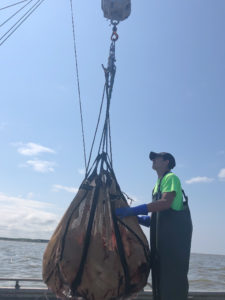
A deckhand on a tender weighs part of Melanie Brown’s set net sockeye harvest during the heart of the season.

But the folks I spoke to are still resolved.

They have to be. In their view, their lives and livelihoods are essentially at stake. As for the mine’s investors, their bank account profits are at stake.

This issue forces people to check their moral compass. If we can’t protect the salmon, their habitat, and the thousands who depend on them, where are we headed? What does this mean for other priceless public spaces?

If this issue has struck a cord, follow this link for more information on how to speak out and get involved. Contact your representatives and senators in Washington, D.C., regardless of where you live. Every voice counts.

Also, stay tuned for the Fish Tales Podcast, which will feature the voices of those on the front lines of the battle to save Bristol Bay from such wanton development. You’ll hear what life is like in Bristol Bay, and why preserving it matters so much to those who live and work there.


Other resources:

Commercial Fishermen for Bristol Bay Press Release regarding EPA’s reversal

United Tribes of Bristol Bay Press Release

July 1 EPA Region 10 letter from Administrator Chris Hladick, voicing concerns over Army Corps of Engineers’ Environmental Impact Statement

All Blog Posts

Bristol Bay Beckoning

  • July 17, 2019October 19, 2021
  • by Colles Stowell
Share it!
Share

Plan for them all you want, but rich experiences often require overcoming some challenges, adapting to surprises and simply making do.

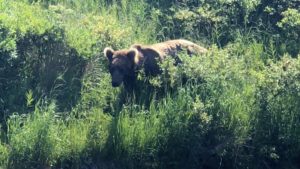
In the past two weeks in Bristol Bay, Alaska, I’ve watched massive brown bears stroll along the banks of the rivers I was fishing as they searched for their own meals, passively taking notice of us humans. Breathtaking.

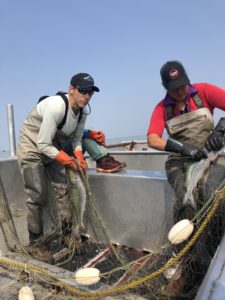
I’ve picked fish out of set nets by hand, learning from a master how to extricate gill plates, untangle fins and bleed the fish quickly and efficiently as we practiced a centuries-old ritual. Working three sets in a 15-hour period gave me a glimpse at just how demanding a full four-week season must be.

I’ve toured one of the eight or so big processing facilities that represent half of the commercial fishing economic equation in Naknek. One million fish a day are vacuumed up a large pipe from the waterfront to a huge warehouse with hundreds of hairnetted seasonal workers that head, tail, gut and fillet the fresh fish. The salmon are then either frozen and packed, or smoked, frozen and packed, each fixed with the private label of one of the fishermen who contract with the plant. It is a very smooth operation.
I’ve hitchhiked (for the first time, feeling at once a tad uneasy and adventurous) along the Alaska Peninsula Highway between Naknek and King Salmon, shortening the 15-mile distance, saving the $40 cab fare (and the $255 per day to rent a Kia) and meeting some really interesting people along the way. Hippie Doug may be a transplant from the 80s, but he sure seems to have carved out a creative, if off-color niche for himself smoking salmon in Bristol Bay.

The flora and fauna

I’ve checked off a significant, life-long bucket list item: fly fishing Alaska’s wild rivers and streams, catching a variety of stunning salmonids with different flies and approaches. The red flame of the rainbow trout and the iridescent pink spots of the Dolly Varden or Arctic Char are seared in memory, recalled at will. Same with the small chrome blue thumbprint marks along the sides of the 30 or so 2-8 inch king salmon smolts I caught while fishing King Salmon Creek alone.

We stood still and watched, being sure to keep a low profile. Click to watch a clip and turn up the volume!

Finding relatively fresh bear, moose and caribou tracks in the same vicinity along one of the creek’s banks spoke to the remarkable stable of wildlife in this place. I found a new sense of awareness following well-worn bear trails along the creek, mindfully following the advice I learned at “Bear Camp” at Brooks Creek by keeping a running conversation with myself. Ironically, I recounted a story I made up for my toddler daughter called “Esty and the Bear Cub.”

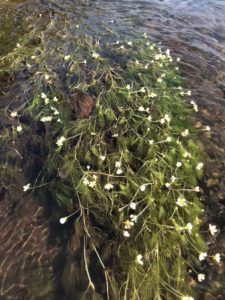
Mouse Ear Chickweed? Could be. Or it could be something else. Whatever it is, I sure did appreciate it at King Salmon Creek.

I drank in everything Nature had to offer. The colors of the fireweed, Toadflax (aka, butter and eggs), some form of lupine, something possibly called Mouse Ear Chickweed and countless other flowers I couldn’t identify. On one trek back from Contact Creek, I took in the cool shape and color of not-quite-ripe cloudberries, and the plethora of blueberry bushes along the trail, promising yet another ample food supply for bears, people and other critters in the next few weeks.

Bald eagles were fairly common, as were magpies, chickadees and some type of thrush providing the soundtrack for the wondrous ecosystem. On the flight from King Salmon to Dillingham, I watched beluga whales swimming in formation, chasing down a school of sockeye.

The people

I’ve also met some wonderful people who are corporeally and spiritually rooted to the land, the water and the resource. I was struck by their generosity, their openness and the power of their convictions. I spoke with both transplants and those whose roots to Bristol Bay extend for generations.

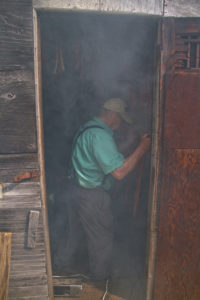
Al working his smoke shack magic.

Al Aspelund and his wife Lou were my endearing hosts at Al-Lous B&B in Naknek. At 88, he is a consummate putterer, always fixing something and tinkering with his smoke shack to get the right temperature, air flow, and humidity for the sockeye and king salmon he hangs. A lifelong resident of the area, he practices the craft passed down from the Aleut traditions of his heritage.

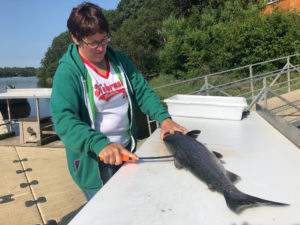
Lodge owner, fishing guide, master fish filleter and outdoors woman, Nanci Morris Lyon carefully cutting a king salmon I’d just landed.

Nanci Morris Lyon is a woman of the wilderness. She grew up on a subsistence farm in eastern Washington state, and has carried that wilderness spirit with her in her journey to become a commercial fisherman, a fishing guide and finally, a sport fishing lodge owner in King Salmon.

Gayla Hoseth advocates for indigenous rights and preservation of the wondrous natural resources of Bristol Bay.

Gayla Hoseth is a force of nature, striving to protect indigenous rights with a focus on preservation and access to Bristol Bay’s natural resources as director of natural resources at Bristol Bay Native Association in Dillingham, and second chief of the Curyung Tribal Council. Born and raised in the area, she clings to the traditions she fights to preserve for indigenous tribes, such as learning to use an ulu (traditional knife) to fillet salmon from her grandmother.

Years of adaptation on boat decks, in processing plants and running the Bristol Bay Economic Development Corporation have helped Norm Van Vactor put things in perspective.

Norm Van Vactor moved to Dillingham after graduating high school in the Philippines and soon became a deckhand on a tender (a boat which takes the catch from smaller boats to processors on shore). He’s spent much of his life on deck or in processing plants, eventually becoming president and CEO of the Bristol Bay Economic Development Corporation, charged with ensuring the rights of fishermen and others who want to earn a decent living in the area.

Melanie exudes good cheer, even during the fourth set of the day heading toward midnight.

Melanie Brown radiates love. She almost always has a smile on her face. She set net fishes with her son and daughter on the same sight her great grandfather established at the mouth of the Naknek River in the early 1900s, where thousands of sockeye funnel past heading many miles upriver to spawn. The one time I saw her really lose her smile was when she spoke about the impending threat of the Pebble Mine, showing her passion for protecting her rights, and those of everyone else who depend on the resource.

She wasn’t alone.

Unity in opposition

Everyone I spoke to let their raw emotions show on this topic. And every one of them echoed one clear sentiment. The proposed mine threatens something more valuable than the gold, copper and molybdenum couched in the earth at the headwaters of the world’s largest wild sockeye salmon run: the lives and livelihoods of thousands of people, natives, transplants and transient workers who depend on the health of that resource. And the economic impact of that resource cannot be overstated. The salmon fishery (both commercial and recreational) employs close to 15,000 people and generates a $1.5 billion economic impact.

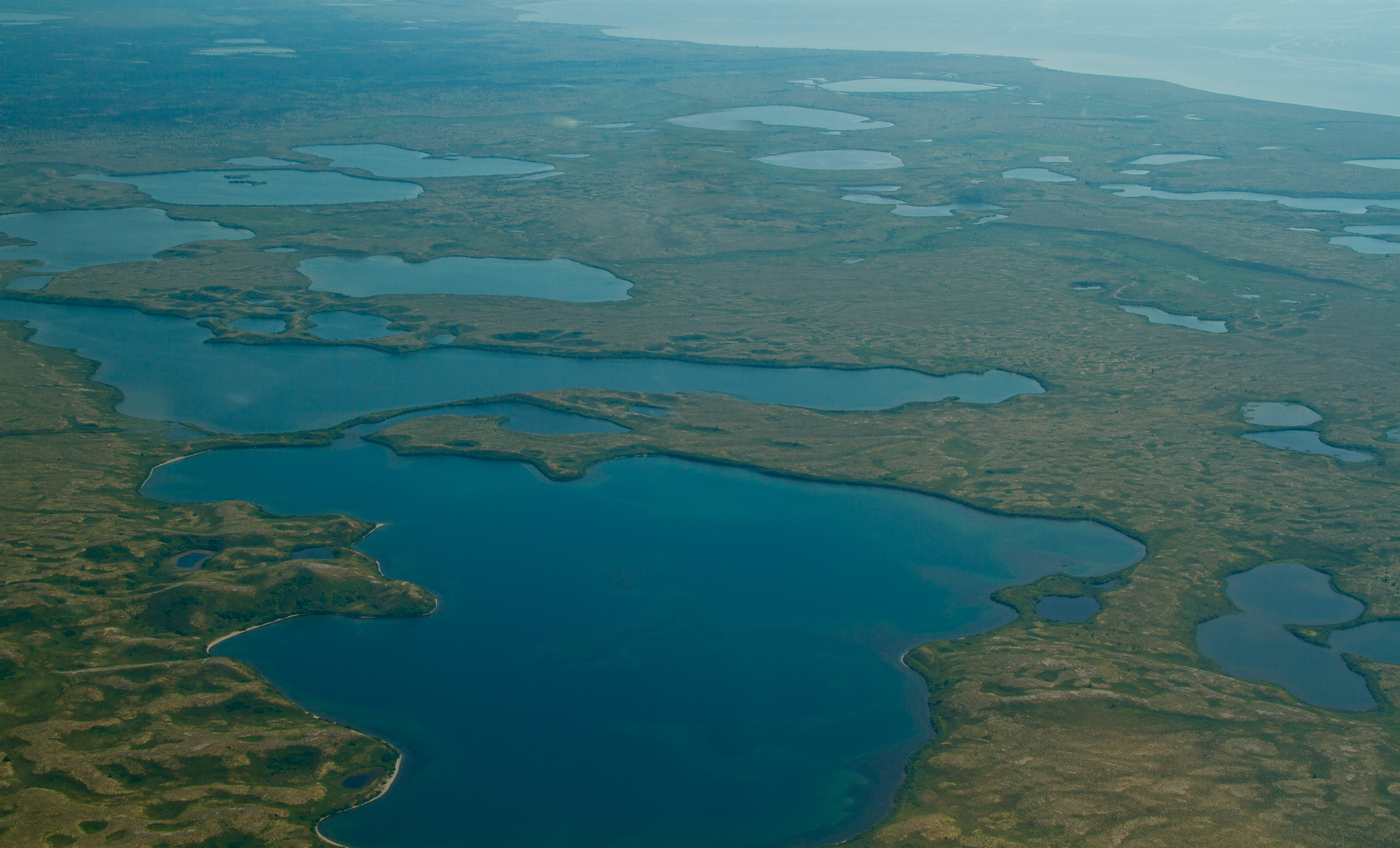
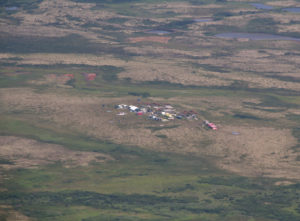
A scar on the tundra near Lake Illiamna, the watershed for much of the world’s largest wild salmon run. Wrong place. Wrong mine. Repeat.

My mission to Alaska was twofold. First and foremost, I wanted to connect with these people and capture their stories for podcasts and blogs that I will share for broad distribution. This pitched battle has national significance, beyond what’s happening in Bristol Bay. These human stories will shed light on what’s at stake when huge multinational interests driven by profit and greed paint a rosy veneer over the devastating impacts of their operations. They want everyone in the lower 48 to assume this mine will bring jobs and boost local economies, ignoring the imminent ecological destruction of when (not if) the mine fails and leaks toxic chemicals into a priceless and fragile ecosystem. Flying over the pristine, water-veined tundra near Lake Illiamna, I wondered how anyone who saw the ugly outcropping of buildings dumped on this wondrous terrain could possibly think this mine was a good idea.

Second, I wanted to experience Bristol Bay firsthand, picking fish in set nets, walking across the tundra to remote rivers and streams to fly fish, seeing life in Naknek and King Salmon, touring a processor, and meeting new people. I visited at a time when the sockeye run is again above projections, showing the resilience and bounty of the resource, especially when it’s properly managed and allowed to thrive in healthy ecosystems.

I’ve done that. And there’s still much more to do. Stay tuned for the upcoming Fish Tales Podcasts featuring Nanci, Melanie, Norm, Gayla, Al and others to hear them tell their stories, and why preserving the resource matters to them, everyone in Bristol Bay, and to all of us who stand witness to the fierce battle to protect a priceless, irreplaceable resource.

All Blog Posts

Slow Fish 2018: Telling tales

  • May 9, 2018October 20, 2021
  • by Colles Stowell
Share it!
Share

Slow Fish is making a difference.

Think of it as a collaboration of fish harvesters, scientists, chefs, students, food-lovers and activists around the world working toward one goal: good, clean fair seafood for all. This was on display throughout the three-day Slow Fish 2018 event in San Francisco April 14-16.

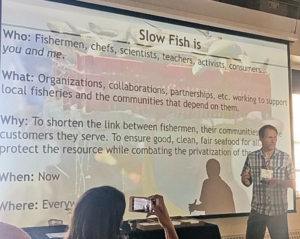
Setting the tone with the Slow Fish 101 presentation. Credit: Lance Nacio

Some of these successes were writ large on the main screen on the first morning of content programming in the Slow Fish 101 presentation.

  • Melanie Brown, a set net fish harvester from Bristol Bay, Alaska, spoke of indigenous ties to the land, the water and the resource. She spoke passionately about how wild salmon runs have sustained her family over time, and why that way of life is under threat from the proposed Pebble Mine. She also spoke of the coalition of disparate groups not normally siding with one another that oppose the mine: indigenous tribes, commercial fish harvesters, recreational fishing groups, environmental activists and politicians among others.
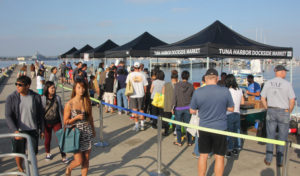
  • Jordyn Kastlunger reminded everyone of the importance of family connections and supporting the youth movement in fisheries as she described the trajectory of the Tuna Harbor Dockside Market in San Diego. Born of a coordinated effort of fishermen, food policy activists and lawmakers, the market features fisher folk docking on the pier and selling directly to customers. About 500 customers come every Saturday to buy about 12,500 pounds of locally harvested seafood.

    Jacquelyn Ross tells the story of abalone from Bodega Bay at the World Cafe. Credit: Eric Buchanan
  • Jacquelyn Ross of the Southern Pomo/Coast Miwok tribes spoke about her indigenous fishing lineage along Bodega Bay, hand harvesting abalone, and witnessing the changes to the fishery wrought by temperature, current and acidification. She too spoke of family love and respect for the resource, the land and the water and the importance of sharing those stories in the hopes that others will appreciate those connections to natural resources.
  • Paula Barbeito came from Italy to describe the work of Slow Fish International and highlight the story of the Thorupstrand Fishing Guild in Denmark. Several years ago, fishermen in the community of Thorupstrand pooled their resources to buy quota so they could provide access to the fishery without being overrun by industrial operations. The guild is a reminder of how fishermen can self-identify and protect their access by working together.

    World Cafe action. Just some of the discussions where things happen. Credit: Eric Buchanan

A parade of perspectives

These compelling narratives were just a few among many shared over the weekend. We heard from longtime fish harvester and policy activist Linda Behnken, who has fished commercially in the Gulf of Alaska and Bering Sea for over 30 years. She has drawn on that experience at the helm of her boat as she helped shape policy to protect small-scale fishing as a member of the North Pacific Fishery Management Council.

We also heard from Anne Mosness, who like Linda, has spent decades at the helm and in the trenches battling industrial scale operations. Anne described her longstanding campaigns against industrial aquaculture and genetically engineered salmon to the discussion, as well as the need to honor women’s voices and rights in fishing.

Filmmaker Mark Titus talked about his upcoming feature, The Wild, which shines a bright spotlight on the world’s largest wild sockeye salmon run in Bristol Bay, and what’s at stake in the battle against the Pebble Mine.

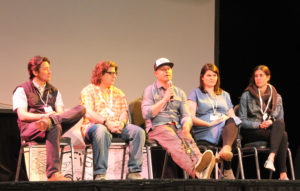
Know Your Supply Chain: Kenny Belov talks about choosing and selling responsibly harvested seafood. Left to right: Alan Lovewell, Real Good Fish; Joe Falcone, FishLine; Kenny; Anna Larsen, Dock to Dish; Jordyn Kastlunger, Tuna Harbor Dockside Market. Credit: Eric Buchanan

Kenny Belov talked about his mission in opening Fish. Restaurant in Sausalito and the TwoXSea sustainable seafood distribution company to provide responsibly harvested, abundant species to customers. Minimizing bycatch and other ecological impacts are critical factors in determining which fish harvesters he will work with.

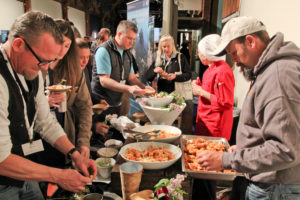
Lance Nacio’s (right in hat) fried soft shell shrimp were very, very popular. Credit: Eric Buchanan

We heard from a broad range of seafood perspectives. Lance Nacio spoke about investing in new technologies such as the plate freezers used to individually quick freeze fresh caught shrimp to preserve the out-of-the-water freshness for shipping around the country. Several oyster growers provided insight on their operations and the myriad factors that go into a successful, delicious oyster harvest. Jack Crofts brought his energy and entrepreneurial spirit to the event, trying to raise visibility and money for this mobile oyster bar, called the Oyster Barrow. Lucas Raymond, a trawl fisherman from New Hampshire, also represented the youth movement at the event.

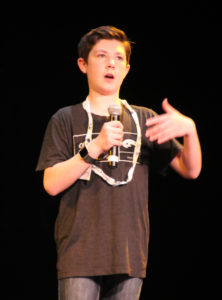
Young entrepreneur Jack Crofts (he’s 12 going on 13!) wows the crowd with his energy and enthusiasm. Credit: Eric Buchanan

We heard from chefs talking about smart sourcing, as well from seaweed growers like Amanda Swinimer, who described her journey harvesting, by hand, edible wild seaweeds for 17 years for her Dakini Tidal Wilds. Arielle Moinester talked about launching a company that promotes eating invasive species such as Asian Carp. Her GoWild Foods has made “The Silver Skipper” (aka asian carp) the poster child for managing an ecological problem in America’s rivers by eating it.

Christopher Wang describes his connection to fishing for salmon in Bristol Bay and why he started The Gypsy Fish Company as attendees listened at the We Are Bristol Bay Dinner.

Ideas, food and fun

More than 150 people from as far away as Italy, Maine, Alaska, Louisiana, Massachusetts and British Columbia, and as near as Washington, Oregon and right there in San Francisco descended on SOMArts and other venues. We held more than 6 separate events, including the Oyster Social, Seafood Throwdown, We Are Bristol Bay Dinner, and the final Seafood Dinner and film screenings at AirBnB. Core programming on Sunday and Monday included the World Café, 36 Pesce Kucha presentations and lots of interaction.

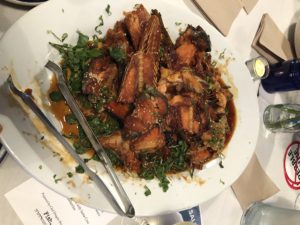
Stellar sticky salmon at the Bristol Bay Dinner.

We feasted on delicious wild salmon from Bristol Bay and oysters from Alaska down to Baja. We had fried soft-shell Louisiana shrimp and herring roe captured in a traditional method of submerging hemlock boughs in the bay during the spawn.

The Slow Fish 2018 planning team took on a monumental task to coordinate all of these events in a very short time period ahead of the California salmon season. The small, but very dedicated Slow Food San Francisco board of directors managed countless on-the-ground logistics to ensure everything went smoothly. It was the collective passion of the planners and attendees for the Slow Fish mission to grow the network, share our core values and collaborate on more projects that drove the event’s success.

Chef Matthew Dolen honors winner Chef Aaronette King at the Seafood Throwdown at the Ferry Plaza Farmer’s Market to kick off Slow Fish 2018. The crowd engaged in the process, tasted the food and asked great questions. Credit: Eric Buchanan

We discussed new projects on the horizon, such as a YouTube channel for sharing videos focusing on Slow Fish values, success stories and fisheries-related topics. We also discussed launching a Slow Fish website that will become a destination for those seeking Slow Fish updates, bait boxes to help launch community-based projects like a community supported fishery, Seafood Throwdowns, KNOW FISH Dinners® and more. To enable Slow Fish folks to to ask questions and discuss issues within an informed community, we may launch an online forum. We also discussed an ambitious project to reduce domestic imports from 90% to 50% by 2050. This 50 by 50 project models similar food system-related measures aimed at eating locally (or domestically) produced food.

And so we charted a course for Slow Fish’s future. To most effectively create change, we need to grow the Slow Fish family and foster continued collaboration on future success stories that will help change that massive import dynamic in this country.

And we will.

Stay tuned for Slow Fish 2020.


Top photo: Tyson Rasor of Ecotrust emcees the Know Your Fish Pesce Kucha session. Credit: Eric Buchanan.

All Blog Posts

Making Do at Slow Food Nations, Denver

  • July 19, 2017October 20, 2021
  • by Colles Stowell
Share it!
Share

Attending Slow Food Nations in Denver this past weekend, I had some expectations about the Slow Fish 101 presentation I would co-lead and the gumbo I would make.

As often happens, those expectations capsized last minute and I and many others had to adapt on the fly. For the second year in a row, the Slow Fish USA team had to respond quickly to a variety of circumstances outside our control.

In the midst of towed vehicles, last-minute technical presentation difficulties, and a bit of a cluster around the commissary kitchen, we scrambled to help each other out. And just as we did last year at the Slow Fish gathering in New Orleans, we made it work… well.

Blame it on the weather

Again, weather played a role, as it did last year when we had to change venues because a flood warning closed down the original host site. This time, I learned my Slow Fish 101 co-presenter Paul Molyneaux was stranded in Portland, Maine because of weather and would miss the presentation. Having fished commercially and written several books and articles about fisheries, Paul not only brings 40 years of experience to the conversation, he has also made important connections all over the world.

Anyone who loves seafood, cares about the resource and the fishermen who harvest it sustainably can be part of the Slow Fish movement. Photo: Kate Masury

We each had developed a portion of the deck, and his relied heavily on his global travels learning from and supporting artisanal fishermen and their efforts to thrive. I learned much about these issues from our discussions, but I didn’t feel good about trying to put my perspective on the narrative of all of his slides. So I was up until 11:30 the night before tweaking the slide deck to convey many of the same messages, but from a perspective I’m more comfortable with.

Slow Fish USA luminary Kevin Scribner prefaced the presentation next morning with a history of Slow Fish and provided valuable context for questions and discussion flow.

And it was a good discussion. The audience was a mix of Slow Fish representatives and Slow Food delegates interested in fisheries issues. We reviewed some compelling statistics demonstrating how current industrial seafood markets are stacked against small- and mid-scale fishermen.

We also discussed how Slow Fish empowers these fishermen around the world to compete in local and global markets using examples such as the Tuna Harbor Dockside Market in San Diego, Know Fish Dinners in New Hampshire and Maine, and projects that support artisanal fishermen in Uganda and Thorupstrand, Denmark.

Tuna Harbor Dockside Market, San Diego. Photo: courtesy THDM.

Tuna Harbor Dockside Market is a shining example of multi-tiered collaboration between fishermen, activists and government. More than three years ago, a group of San Diego fishermen sought a way to sell to consumers direct off the boat. Though there was no specific permit that would allow that type of retail setup, the city, county and state worked together to create legislation that supports the market.

The result?

  • Fishermen have created relationships with customers.
  • They’ve earned more money: sea urchin prices jumped from $.80 to $5 per lb. and mackerel rose from $.30 to processors to $4 per lb. to consumers.
  • Fishermen have changed the way they fish to accommodate market demand.
  • Fishermen’s families work the tents, getting their children’s hands on the product.

The audience posed great questions about aquaculture, fisheries management and the long-term prospects of wild harvest in the face of growing demand. The conversations continued even after we were kicked out of the room as the next group set up.

First mission accomplished.

Blood, sweat and gumbo

The plan was to highlight the story behind the fabulous shrimp and crabs from Lance Nacio’s Anna Marie Shrimp in Louisiana via gumbo. I also secured some of the best andouille sausage I’ve ever had from Toby Rodriguez, a born-on-the-bayou, pig whisperer, traditional butcher and co-owner of Lache Pas Boucherie and Cuisine in Lafayette, La. He had me at “I call bullshit on all commercially available andouille!”

The BIG challenge was logistics, such as sourcing a 40-quart stockpot, stirrer, ladle and all of the flour, vegetables, oil etc. I’d need to deliver my standard of gumbo. I also needed a place to prep and make a stock. Even with weeks of planning, this still proved to be much more challenging than we expected or was necessary.

Thanks guidance from some chef friends, this was NOT a disaster.

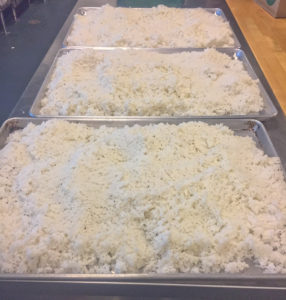
Fortunately, because of the connections I’ve forged with Slow Fish and some outstanding chefs, I found what I needed. A couple of chefs, Kelly Whitaker of Basta in Boulder, and my dear friend Evan Mallett of Black Trumpet in Portsmouth, NH helped me figure out how to cook up about 30 pounds of rice (which was way out of my comfort zone.) Evan also chopped and connected me with a chef for the pot and three locally sourced chickens.

I prepped with help from old and new friends for nearly seven hours after presenting. The morning of the food service, I got a late start because we had to wait for the health inspector and I had to try and figure out how to get 50+ pounds of food in different containers and 12 quarts of stock from the commissary kitchen 5 blocks to the site where I’d cook the gumbo. With a dolly and someone’s truck, we made it work.

Lance’s blue claw crabs added flavor…and some down-and-dirty eating for lucky patrons.

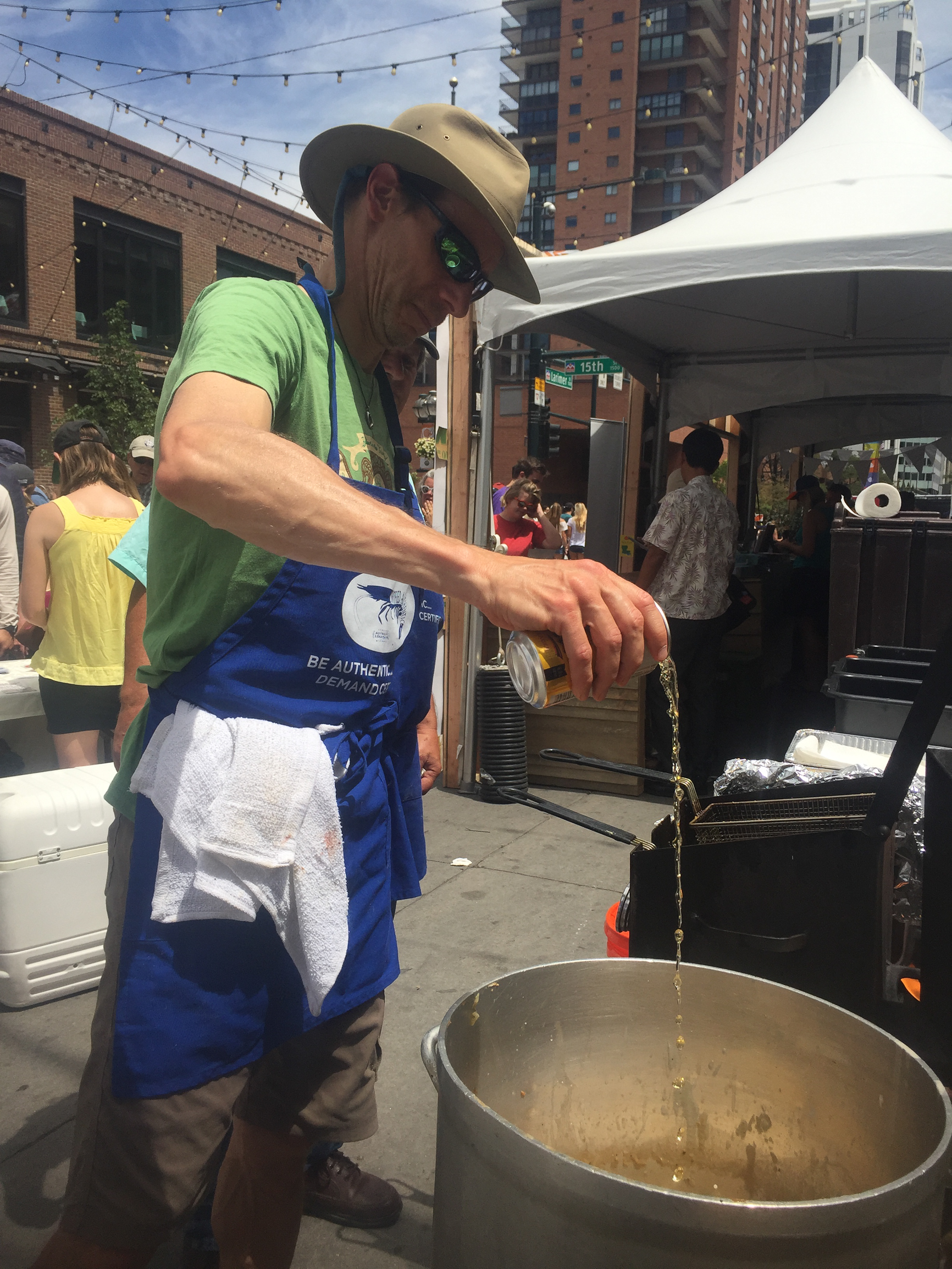
Four hours, a few laughs, a couple of cuss words, a stream of sweat and an unfortunate slip of a knife later, and I was ladling gumbo to praise. We had three tents serving fried shrimp, Baja oysters, miso and seaweed, Alaska salmon, salmon poke and black cod. All of it delicious. The quality and freshness of each product was exceptional.

The moment of truth for me came late that afternoon when an elderly African American man sporting a comfortable sun hat and shades asked, “What you got in that gumbo, son?”

I told him the ingredients, mentioning Toby’s sausage, and the fact I smoked the chicken over apple wood that morning.

“Where you from?”

“New Orleans, sir.”

“Who taught you?”

“A Creole woman who took care of me when both my parents were working. Nothing written down. All oral tradition. Took two years of her whacking me over the head with a wooden spoon every time I messed up for me to start getting it right.”

“Ok. Let’s try it,” he said, dropping his ticket in the cup.

Nervously, I spooned out some rice and carefully selected a ladle that had shrimp, crab, two different kinds of sausage, chicken and as many vegetables as could fit.

The man took a spoonful and seemed to swirl the gumbo around in his mouth like a sommelier, which made me uncomfortable. If he didn’t like it, my day was lost.

He raised his head, sniffed, then a slight smile curled his mouth.

“A lot of flavors that work well together.”

“You like it?” I asked, for confirmation.

“Yes. You done good. Thank you.”

“Thank you, sir!!!”

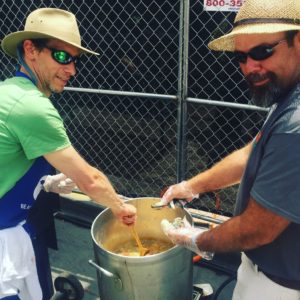
Notice the gloved hand.

So what if I may have shaved some time off the back end of my life stressing over logistics. So what if I’m now struggling to type with nine fingers because I damn near sliced off the tip of my index finger early in the morning before really getting going on the gumbo. Someone in the tent trained in wilderness survival did a field repair to stop the bleeding so I could complete the mission. I got four stitches only after most of the gumbo was gone and I received “official” validation.

Group effort

All of this goes back to something Slow Food USA director (and former New Orleans high school classmate) Richard McCarthy said in opening remarks that Slow Food is about pluralism. Change doesn’t come from any one person. It comes from a collective force.

So it is true with Slow Fish and specifically, my mission with One Fish Foundation. Changing attitudes about consumer food and seafood purchases requires a group effort. It requires communication, collaboration, partnerships and adaptation. Adapting to unforeseen challenges to event execution is becoming an illustrative trend for Slow Fish USA. It’s because of the connections and friendships we’ve formed that we’ve been able to overcome some last-minute hurdles, working together to send our message.

It’s because of those connections, and the new connections we make that we will continue to steer the conversation toward preserving the seafood resource and the way of life of the fishermen who harvest and care for it.


Top Photo: Don’t forget the secret ingredient! Credit: Lance Nacio.


All Blog Posts

Chilean Farmed Salmon: Poster Child for Caution

  • July 20, 2016October 20, 2021
  • by Colles Stowell
Share it!
Share

I remember the first time I tasted wild salmon. I was almost 10, and my dad had just returned from two weeks fishing the Whale River in Ungava Bay, Northern Quebec. This was 1974, and my dad brought two big crates with two 15 lb fish, packed with peat moss, sawdust and dry ice. The stories my dad told of these big leaping fish, the rugged beauty of the land, camping in tents and cooking over fires made the fish taste wild. I wanted to go and catch my own salmon and eat it. That didn’t happen for a while.

The best seafood I’ve ever tasted was a salmon I’d caught 15 minutes before I gingerly grabbed pieces of it out of a smoldering, greasy pan during a downpour at Twin Pools on the LaPoile River in Newfoundland in 2011. We’d hiked seven miles of terrain that ranged from peat bogs, to dense forest and giant boulders. I felt like I was in Middle Earth. No plates. No silverware. One crumpled napkin. No seasoning save for the dregs of some salt and pepper the guide scraped out of his coat pocket. He had to lean over the pan with his rain jacket flared while the tender pink flesh glazed over in the hot butter.

Nothing has topped that experience, before or since.

I think back on those experiences when I think about how far we’ve pulled away from our food sources. I can only imagine what the Atlantic salmon populations were like before we started damming their spawning habitats and fishing them with wanton abandon.

I guess the rise of salmon farming was an inevitable consequence of Atlantic salmon’s broadly appealing taste and appearance, even as the fishery collapsed over the last hundred years. The intentions may have been somewhat innocent, if a bit naïve, at the outset. But naturally, the rush to make these struggling, expensive operations profitable, if not solvent, perhaps bypassed some warning signs. The push to accelerate time-to-market as well as gross pounds produced has yielded some unpleasant results.

Bloom to bust

Look no further than the train wreck that is the Chilean salmon farming industry. The second largest producer of farmed Atlantic salmon in the world (Norway is tops), Chile’s industry had a terrible first half of 2016. In a four week span in late February and early March, four of the nation’s top producers lost more than 9 million salmon to an algal bloom that released a deadly bacteria, killing more than $70 million worth of product. Total salmon losses since this first reported algal bloom or red tide are estimated at around 25 million salmon weighing about 100,000 metric tons or 15% of the country’s total production. Chile scientists blame the algal bloom on unseasonably warm temperatures due to El Nino. I’ll get back to that.

Authorities dumped thirty percent of the dead fish in a landfill, the rest in the ocean. A few weeks later, giant flotillas of dead sardines, jellyfish, birds and some mammals washed up on Chile’s shores, which were also covered with dead clams. Commercial fishermen reacted, complaining the die-offs and the federal closures of nearby fishing grounds were a direct result of bad aquaculture practices.

To protest, they set up blockades effectively stopping transport of any of the surviving farmed salmon to market. At one point, producers were losing $10 million a day related to both the die-off and the delivery interruption, with estimates at about $800 million total loss.

Irony you say? Hold on, it gets better.

Antibiotics to the rescue?

The just desserts, if you could call it that, to this festering stew of salmon, bacteria and political angst is a recent appellate court decision forcing the industry to reveal just how much antibiotics each of its producers has used. The decision came in a lawsuit filed by Oceana, claiming international markets had a right to know how the world’s 2nd largest farmed salmon producer treated its fish. Until this decision, the true depth of Chile’s antibiotic use had been somewhat cloaked.

Now we know. And the details are stomach churning indeed. Government statistics released a couple of weeks ago show the proportion of antibiotics to tons of salmon increased from 2014 to 2015, during which time producers used 1.23 million pounds of antibiotics on about 895,000 tons of fish. On average, producers used about 660 grams of antibiotics per ton. One company, Australis Seafoods used 1,062 grams of antibiotics per metric ton of fish.

For comparison, consider that in 2008, Chile fed 385,635 kilograms of antibiotics to its salmon. Norway, the world’s largest farmed salmon producer? 941 kilograms.

So why is this such a big problem? For starters, it’s not good to ingest antibiotics unless you absolutely need them. You may have read about concerns over superbugs, or antibiotic-resistant bacteria. In essence, bacteria like E. coli or salmonella continue to evolve in their own quest to survive. And thus, some strains have developed a resistance to the antibiotics we would use to kill them, making us more susceptible to the nasty diseases these bugs can produce.salmon pen

Consider some frightening statistics from the US Center for Disease Control: An estimated 2 million people in the U.S. become infected with antibiotic-resistant bugs, resulting in 23,000 deaths. Now consider that some of the antibiotics used in aquaculture operations outside the U.S. have been deemed carcinogenic by the Food and Drug Administration.

No thanks.

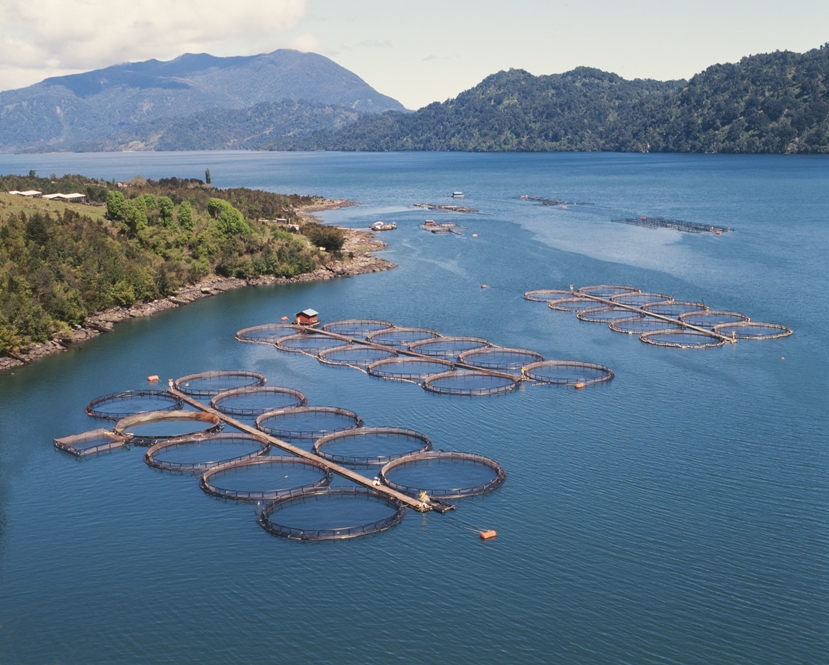
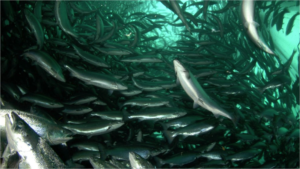
Now let’s get back to the rise of the algal blooms in Chile. As I said, local officials claim the unseasonably warm temperatures gave rise to the situation. There is truth in that statement. However, scientists believe there is another direct cause. Concentrations of tens of thousands of fish in close proximity swimming in their own feces leaves them vulnerable to disease. So the farming operations dump tons of antibiotics as a preventative measure against the disease. They also throw in tons of pellets to feed the fish.

Now imagine a veritable rainfall of feces, undigested food and antibiotics landing on the ocean floor. There’s a lot of excess nitrogen and phosphorous introduced to the ocean ecosystem that in theory would otherwise be balanced. The extra nutrients create an environment more suitable for algae to grow than most other organisms. And it grows quickly, sucking up much of the available oxygen and releasing a deadly bacteria that ultimately kills the fish. The fish die and the bacteria have more “food.”

Worse still, the antibiotics used against the primary salmon-killing bacteria, SRS, aren’t working, according to an official with the National Service of Fisheries and Aquaculture (Sernapesca).

So if you’re keeping score, Chile salmon farmers are pounding their product with antibiotics that aren’t really working. And consumers are paying for it.

I’d call that a real loss on many, many levels.

We’ll talk about the global impact of finfish aquaculture in further posts, and explore some operations that are taking a better approach.


Resources

Here are some additional links to interesting info about aquaculture:

Lenfest study on aquaculture pollution

National Geographic glossary on algal blooms

World Wildlife Fund Report on environmental impacts of aquaculture


All Blog Posts

Fisheries Policy A Mixed Bag

  • April 26, 2016October 20, 2021
  • by Colles Stowell
Share it!
Share

The Magnuson-Stevens Fishery Conservation and Management Act (MSA) turns 40 this year. This is significant for fisheries because the law has been the backbone for management policy since its implementation in 1976.

And that fisheries policy is largely working, according to the 2015 Status of the Stocks released by NOAA last week. In short, the annual report boasted the percentage of domestic fish species that are overfished is near record lows. Thirty-nine fish stocks have been rebuilt since 2000 because of effective management policies, (up from 37 stocks in 2014), says the report. The number of stocks experiencing overfishing (when the harvest rate exceeds the stock’s ability to sustain harvest) has increased by 2 since 2014. The number of stocks that are overfished (when the population is too low and may not be able to support harvest) has increased by one to 38 since 2014.

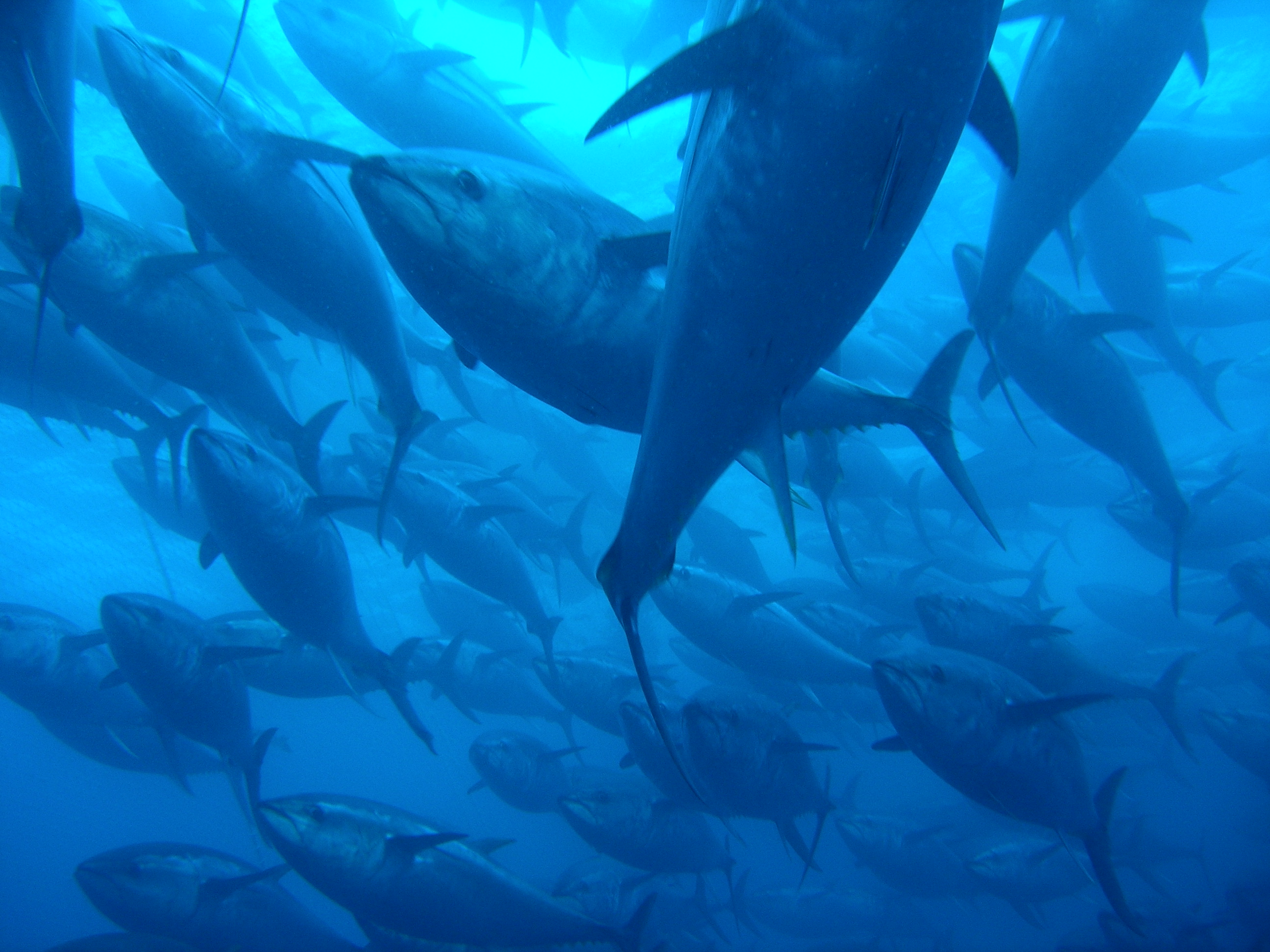
Some of the lowlights of species still considered under threat by NOAA’s standards: Atlantic cod (no surprise), Atlantic and Pacific bluefin tuna (no surprise), Atlantic salmon (longtime resident on this list), red snapper (ditto), different species of flounder, different shark species, Chinook and Coho salmon in different areas of Washington state, Atlantic halibut and Pacific swordfish.

To be sure, a lot of work goes into compiling these reports. And it gives a general barometer of fisheries in US waters, even if some of the species, such as bluefin tuna, are highly migratory and thus, fished by international fleets.

NOAA calls out the annual catch limit as an effective tool for ensuring against overfishing. One of the more recent “tools” added to the NOAA anti-overfishing toolbox is the individual transfer quota (ITQ). In essence, a certain fishery has a certain amount of quota that is available to fishermen…for a price. Fishermen can buy and sell quota within their regulated area just like stock traders can with stocks. The concept was to allow fishermen to self-regulate while managing to a catch limit.

scr_235573_24667

Unintended consequences

The unintended consequence shifted control from the pool of local fishermen to a select few with the money to buy up all of the quota. As quota became more expensive, more smaller scale fishermen were forced out of the equation. So not only is the ITQ system skewing access and control of the fishery away from local commercial fishermen, but it’s actually encouraging greater fishing pressure on the resource by larger operations who care more about profit than the health of the resource.

Many fishermen argue it is this environment that fueled the ascent of large operators, such as Carlos Rafael, the New Bedford distributor arrested last month on fraud charges. Authorities allege that he hid actual catch volumes and mislabeled fish in a scheme to sell regulated species to buyers in New York for bags of cash. He is currently under “house arrest” wearing an ankle bracelet that monitors his whereabouts and ensures he abides by his curfew.

Fisheries management is a complex issue. There’s no one-size-fits-all formula that provides equal protections for Atlantic Striped bass and Pacific Ocean perch. Different species in different ecosystems with different complexes of predator prey relationships and environmental factors require specific, targeted policies to account for all of these variables. And that doesn’t fully encompass the calculus of ecosystem-based management (managing fisheries not just by the narrow window of one specific species at a time, but as an entire ecosystem from plants up to alpha predators like sharks).

It’s hard to get it 100% right.

Magnuson-Stevens provided the framework that has evolved to the point where specific species management is possible. But the scale of the framework and sheer administration needed to manage such a menagerie of diverse fisheries has created what some fishermen see as a type of caste system where the well funded “inherit” the right to control large chunks of the US fishery. Smaller-scale fishermen who depend on the resource for their lives are forced out, and the resource suffers.

Mssing in this equation is a key tenet described in the amendment and renaming of the law in 1996: “Conservation and management measures shall not discriminate between residents of different States. If it becomes necessary to allocate or assign fishing privileges among various United States fishermen, such allocation shall be (A) fair and equitable to all such fishermen; (B) reasonably calculated to promote conservation; and (C) carried out in such manner that no particular individual, corporation, or other entity acquires an excessive share of such privileges.”

So yes, Magnuson-Stevens has provided a critical framework for managing a hugely diverse network of fisheries in U.S. waters. Better science gives us a more realistic idea of what is happening in our marine ecosystems, and policies are in place to help avoid fishing beyond capacity. But there is also room for improvement. Effective fisheries policy must include all stakeholders, including small-scale fishermen. Failure to do so has made the system vulnerable to fraud and disparity that hurts fishermen, consumers and the resource.

A better, more democratic approach that lets everyone have an equal voice is surely available. We just need to break the longstanding habit of repeating the same mistakes.


Photo credits: NOAA

All Blog Posts

Despite Legislation, Litigation, Pebble Mine on Downhill Slide

  • March 10, 2015September 3, 2015
  • by Colles Stowell
Share it!
Share

The owners of the proposed Pebble Mine, Northern Dynasty Minerals, are getting desperate. While still alive, the project to build one of the world’s largest mines smack dab in the middle of one of the world’s most significant wild salmon runs has suffered several major setbacks in the past year. Read more “Despite Legislation, Litigation, Pebble Mine on Downhill Slide” →

Recent Posts

  • Hurricane Ida wreaks havoc on Louisiana’s seafood industry
  • EPA Should Use Clean Water Act To Kill Zombie Mine
  • Slow Fish 2021: Relationship Matters
  • Faith, Façades, and Futility
  • Pebble Permit Paused: Politics at Play

Archives

  • September 2021
  • August 2021
  • April 2021
  • December 2020
  • August 2020
  • June 2020
  • February 2020
  • December 2019
  • November 2019
  • October 2019
  • July 2019
  • May 2019
  • April 2019
  • March 2019
  • January 2019
  • December 2018
  • November 2018
  • June 2018
  • May 2018
  • March 2018
  • February 2018
  • January 2018
  • December 2017
  • November 2017
  • October 2017
  • September 2017
  • August 2017
  • July 2017
  • June 2017
  • May 2017
  • April 2017
  • March 2017
  • January 2017
  • December 2016
  • November 2016
  • October 2016
  • September 2016
  • August 2016
  • July 2016
  • June 2016
  • May 2016
  • April 2016
  • March 2016
  • February 2016
  • January 2016
  • December 2015
  • November 2015
  • October 2015
  • September 2015
  • July 2015
  • June 2015
  • May 2015
  • April 2015
  • March 2015
  • February 2015
  • January 2015
Theme by Colorlib Powered by WordPress