Skip to content
One Fish Foundation
  • Blog
    • Aquaculture
    • Education
    • Environment
    • Policy
    • Wild Harvest
    • Fish Tales
  • About
    • About One Fish
    • About Colles Stowell
  • Education
    • Elementary School
    • Middle School
    • High School
  • KNOW FISH Dinners®
  • Resources
    • One Fish Podcast
    • One Fish Foundation in the news
    • The 7 C’s of Sustainable Seafood
    • Newsletter Archive
    • Recipes
      • Skate with Capers and Butter — Chef Rizwan Ahmed
      • Grandma Davis’ Fish Chowder — Jane Almeida
      • Ginger Garlic Tamari Scallops — Colles Stowell
      • Fish Stock — Evan Mallett
      • Mussels San Remo — Chef Rob Martin
      • Salted Pollock Croquettes – Chef Mark Segal
  • Connect
    • Contact OneFish
    • Social
      • Instagram
      • Facebook
      • Twitter
All Blog Posts

Fish, Tamales and Community

  • December 13, 2018October 19, 2021
  • by Colles Stowell
Share it!
Share


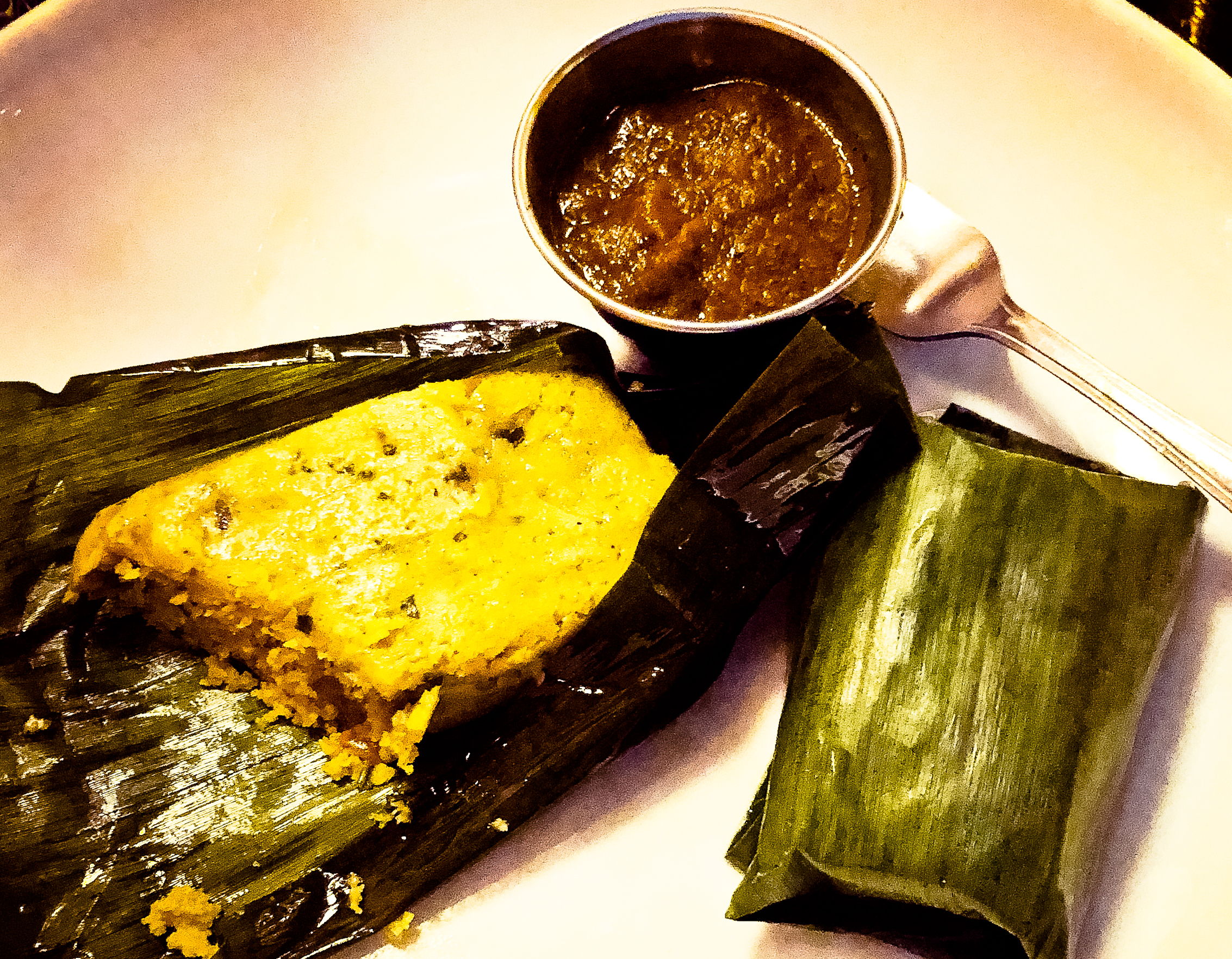
The banana leaf pollock dressed in a cilantro peanut tamale did it. I am no chef, but I like to cook and explore new interpretations of dishes I thought I knew. Growing up in New Orleans meant a vast menu of cool, authentic dishes that often transcended expectations.

I still remember the smell, taste and texture of the corn husk-wrapped tamales the neighborhood kids would buy from the old man pushing his cart up and down Napoleon Ave. We had no concept at the time of ingredient sourcing, labor, etc. We just knew that a couple of those tamales for $1 after playing football in the streets made for a great cap to the afternoon.

So biting into Chef David Vargas’ spin on the cod tamale opened my eyes and fired my taste buds. I would not have thought of this combination as a kid (I may not have wanted to try it). But it was a stark reminder of the beauty of culturally diverse approaches to seafood.
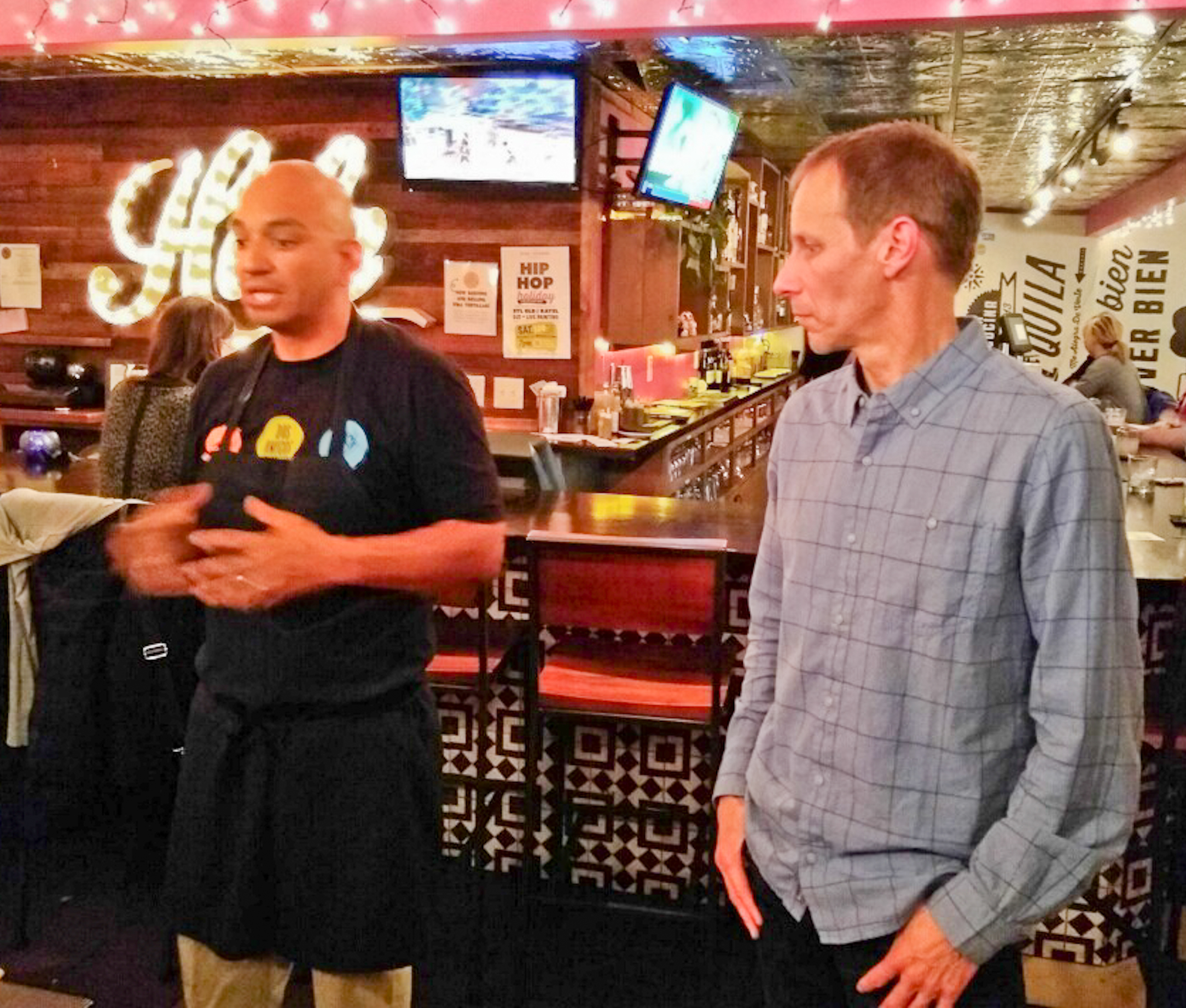
Chef David Vargas discusses his roots in local sourcing.

Deep roots

Chef David spoke about growing up in a Santa Ana (California) neighborhood of little means but deep cultural roots and strong food traditions. His family grew its own vegetables. If they wanted fresh seafood, they went to the local pier and caught it themselves. Local sourcing is ingrained in his DNA and is the bedrock of his menu at Vida Cantina in Portsmouth, N.H.

Chef David spoke about growing up in a Santa Ana (California) neighborhood of little means but deep cultural roots and strong food traditions. His family grew its own vegetables. If they wanted fresh seafood, they went to the local pier and caught it themselves. For him, local sourcing is ingrained in his DNA and is the bedrock of his menu at Vida Cantina in Portsmouth, N.H.

That explains his enthusiasm for hosting a KNOW FISH Dinner®. It was not too far of a leap from the community dining he grew up with, and the embracing of locally sourced food.
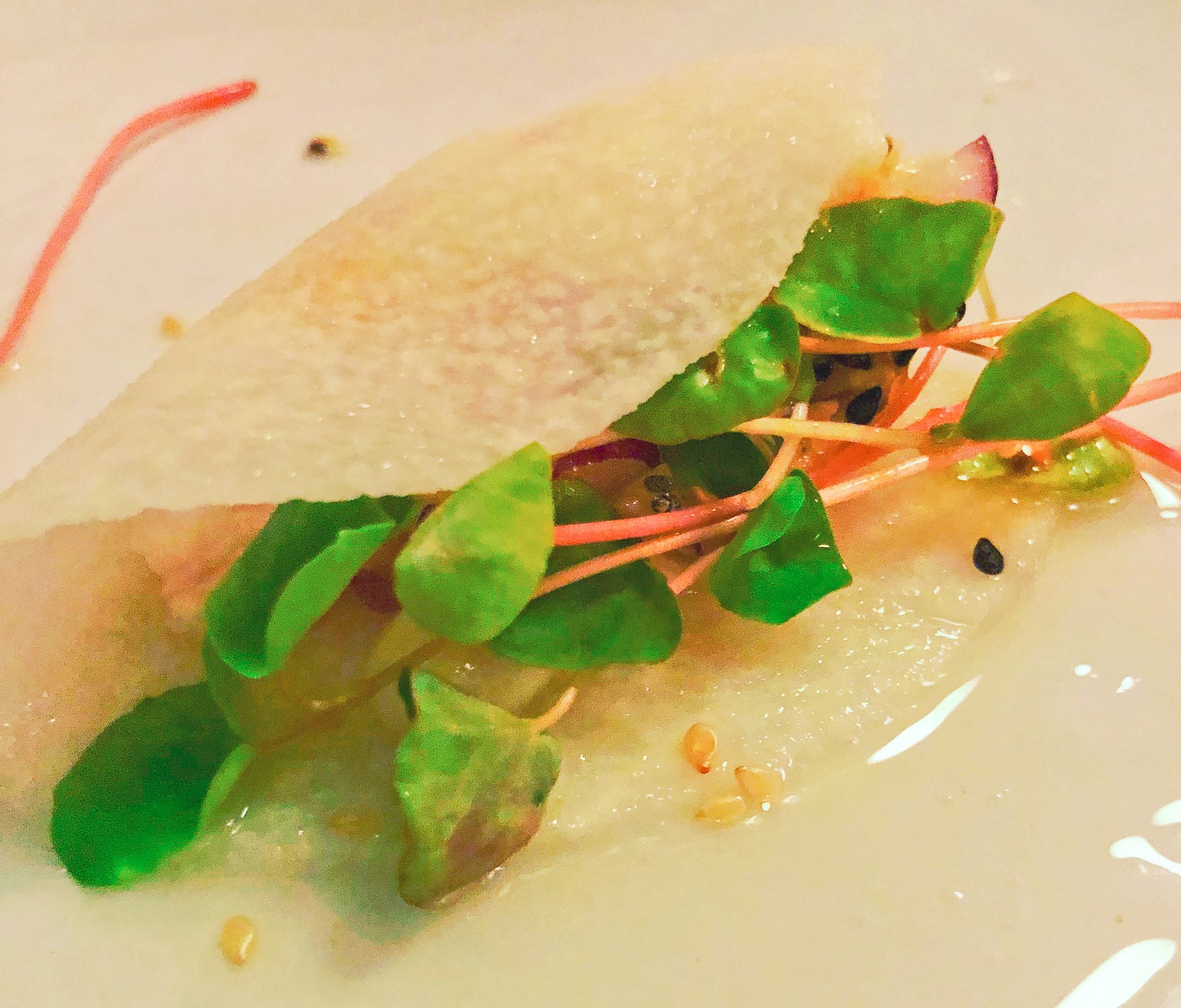
Cod ceviche, courtesy of Chef David Vargas and Capt. Tim Rider. Now that’s boat to table…with flair!

Capt. Tim Rider of New England Fishmongers provided the cod, haddock and pollock (that had been swimming the day before) Chef David turned into south-of-the-border feast fancies: cod ceviche served with a thin, but lightly crisp jicama tortilla and fresh mango, serrano and seeds; charred haddock taco paired with a crispy caper tartar sauce and marinated avocado; and the aforementioned tamale that also came with a mouth-warming charred arbol salsa.

Appreciating fish tales

Capt. Tim also provided some perspective on fishing for a living. He shed light on the passion, drive and unrelenting commitment required just to survive. The long hours, sometimes 20-hour days, sometimes 36 hours, are physically and psychologically draining to be sure.
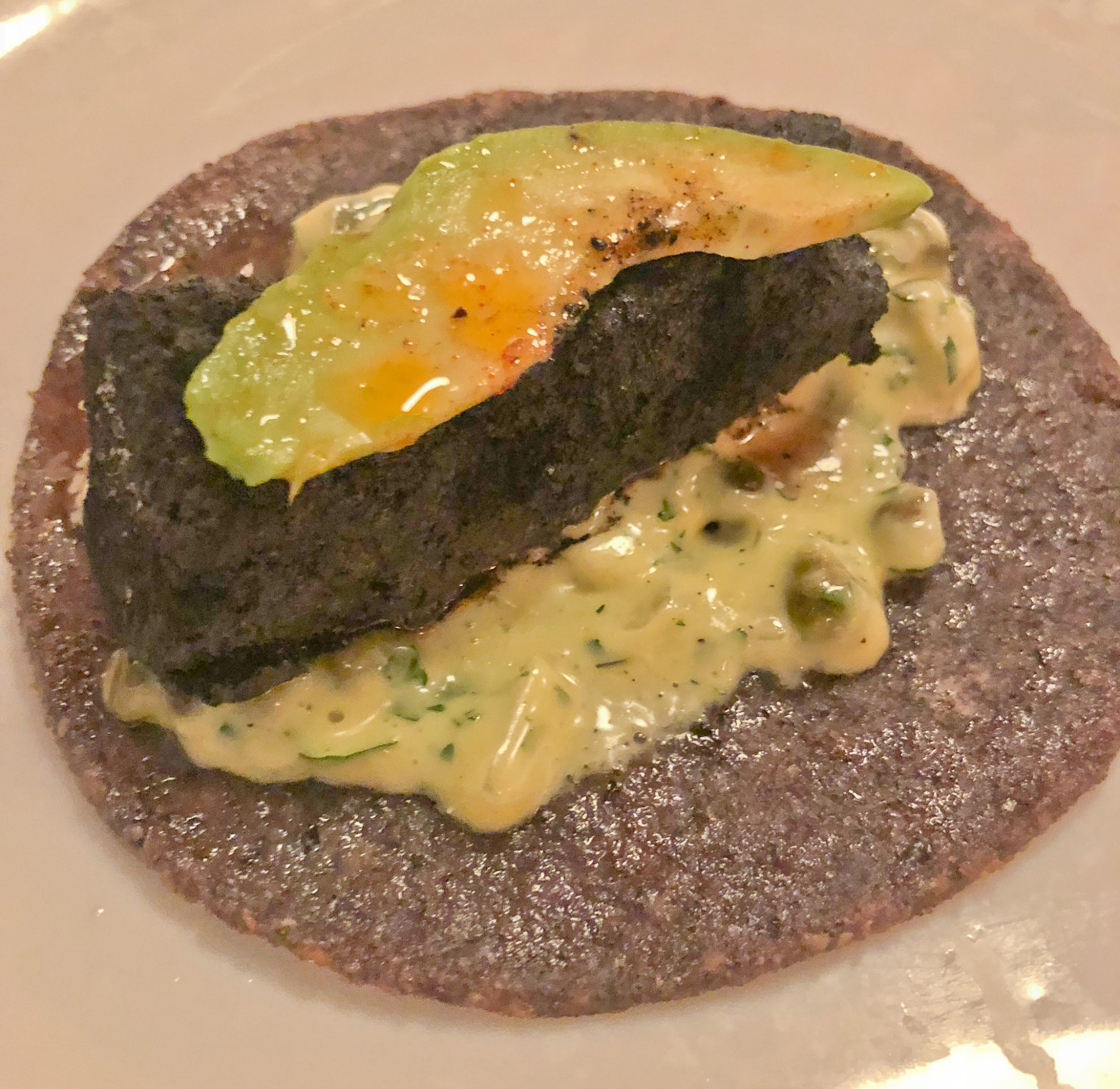
Charred haddock taco. That marinated avocado complemented the charred coating on the haddock beautifully.

But the attendant pressures to make a living for a captain and crew outside of the actual harvest can be staggering. The expenses can drain bank accounts quickly, which leads to heavy debt. Beyond the table stakes of boat costs such as monthly payments, insurance, fuel, gear, maintenance etc. are, for many, the staggering fees just to be allowed to fish. Someone like Tim may have to pay in excess of $100,000 a year to someone else for the right to fish for cod, pollock, haddock, scallops, flounder and a host of other species in the Gulf of Maine.

It’s the complex, and often debilitating nature of the current fisheries management structure in New England and elsewhere in the United States. Without passion and commitment, facing those kinds of costs and demands on personal well-being would be a short-lived fool’s errand.

And so, KNOW FISH Dinner attendees at Vida Cantina last week gained new appreciation for the fish harvesters who produced the seafood they were eating.
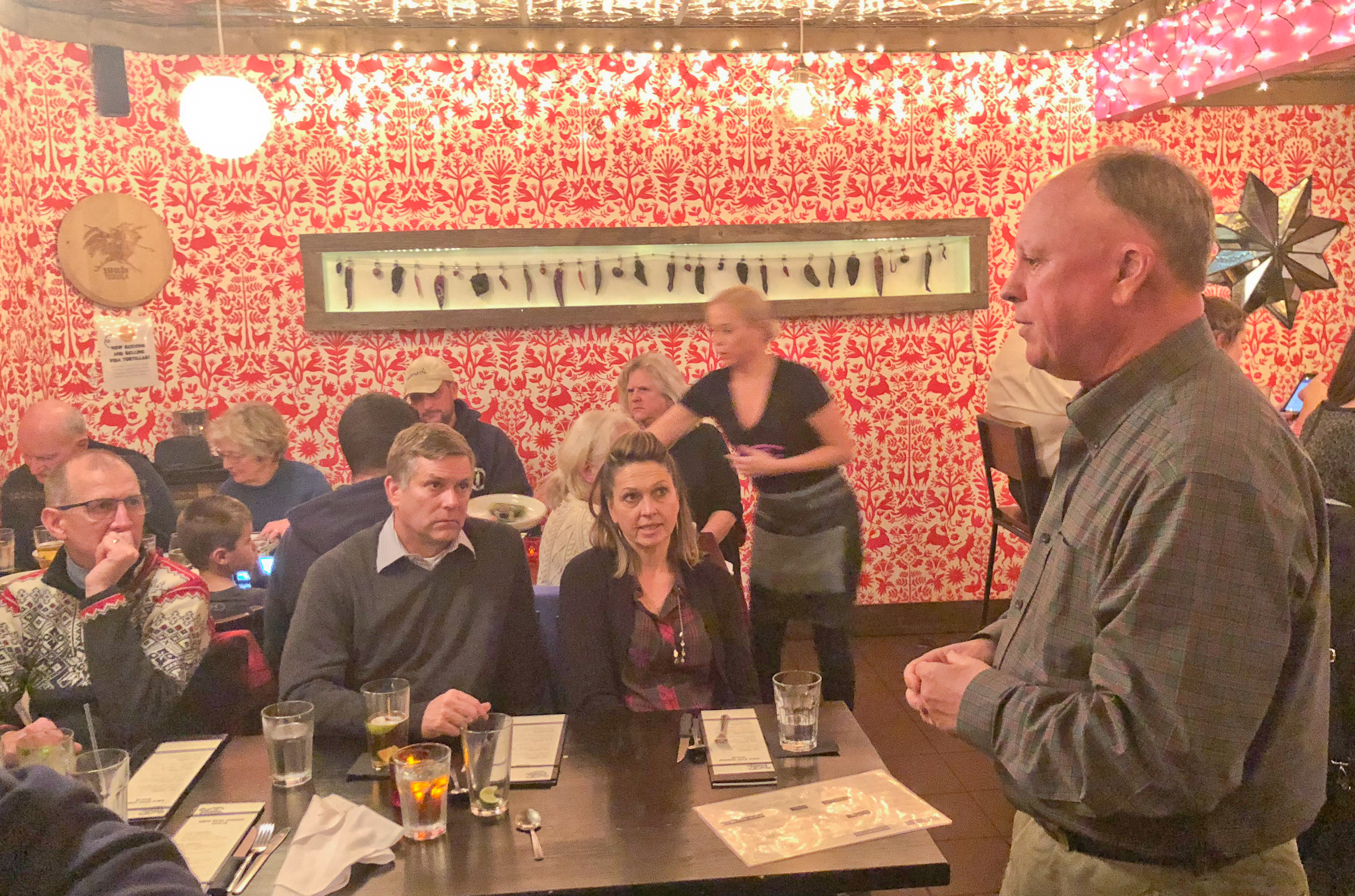
Tim Henry of Bay Point Oyster Company describes the extraordinary patience and commitment to start and run a successful oyster farm.

They also heard from Tim Henry, owner of Bay Point Oyster Company, LLC., who also described the effort to produce top quality oysters right out of Great Bay in New Hampshire. It’s a three-year commitment, requiring tons of patience, significant capital, physical fortitude and an ability to adapt to constantly changing circumstance. Heavy rains can force the state to shut down the harvest, and alter scheduled deliveries, for example.
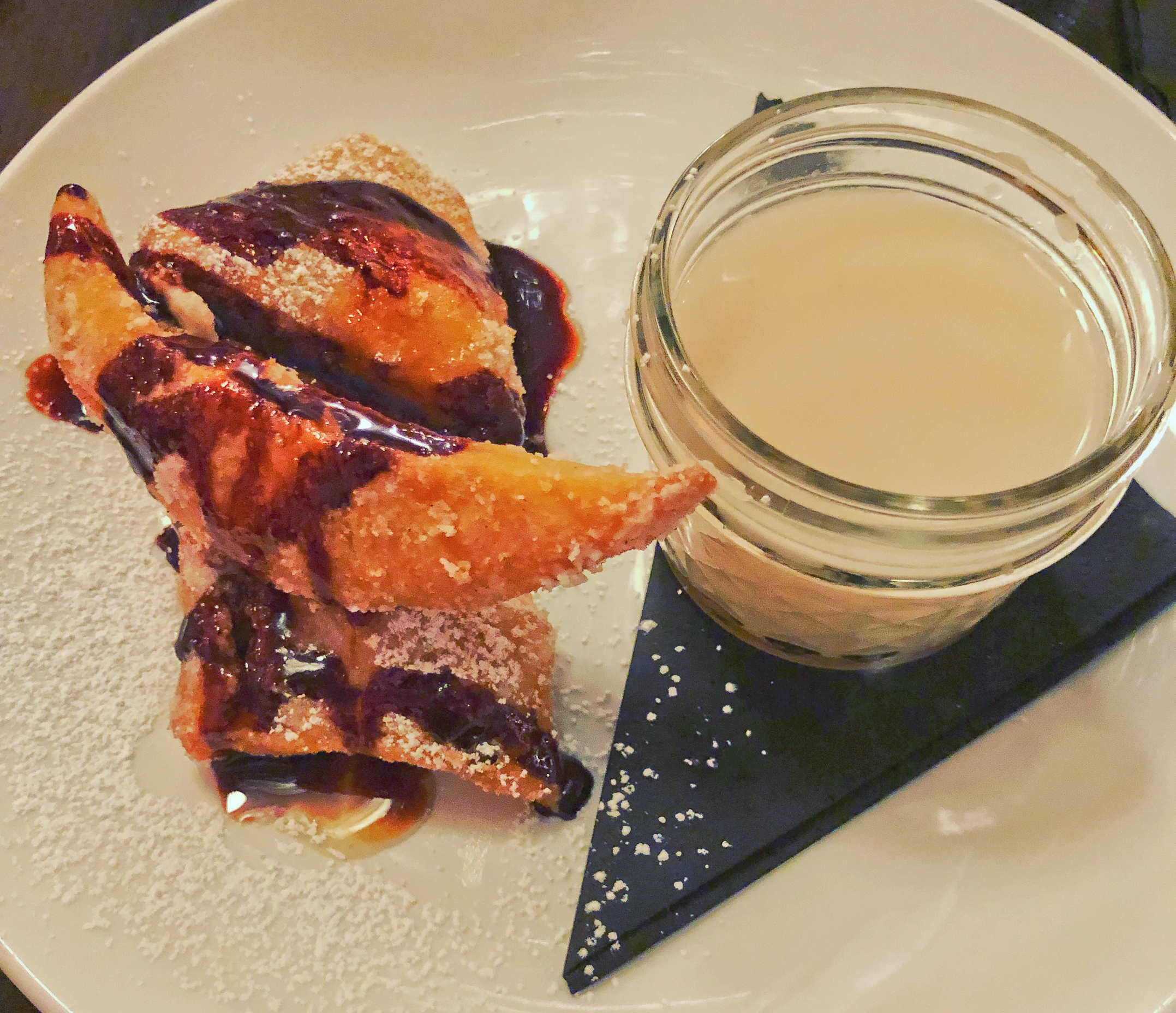
Dessert. This is the first good sopapilla I’d had since childhood.

As we dined on light, crisp sopapillas drizzled in chocolate sauce and local honey, we discussed why knowing the story behind the food we eat, especially the seafood we eat, matters. This is an important point for both classroom and community discussions. When you know when, where, how and by whom your seafood was harvested, you can appreciate the effort that went into producing that seafood. Moreover, you can trust it.

Frozen shrimp from Thailand? Not so much.
All Blog Posts

Getting Seafood Smart!

  • May 14, 2018October 20, 2021
  • by Colles Stowell
Share it!
Share

“What happens if you live in Kansas and you want sustainable seafood?” I get this question occasionally. Interestingly, Kansas seems to be the state most often cited. Perhaps it’s because it’s flat as a pancake and just about as far away from any coastline as any state in the union.

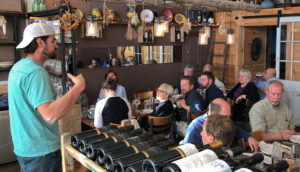
But, it’s a valid question, and one that came up Wednesday night at the latest KNOW FISH Dinner® at Enoteca Athena in Brunswick, Maine. This was the 10th in the series of events aimed at bringing communities together to meet the harvester who caught or grew the seafood they’re eating and learn more about why their choices matter. The question of knowing the story of your seafood permeated the discussion throughout the evening. We’ll return to that question in a bit.

Chef Tim O’Brien went above and beyond the call of duty by staying up until 2 a.m. that day figuring out the most efficient way to skin a couple dozen skate wings (think gloves, towels, a sharp knife and some strong language). This was part of the prep for a fabulous meal also featuring yellowtail flounder, haddock, European green crabs and oysters from Mook Sea Farm.

Jeff Auger talking about having the “Mookie Blues.” Credit: Steve Wyman

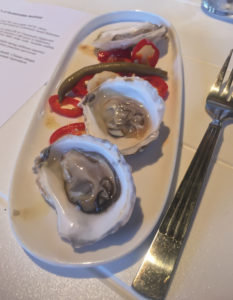
Jeff Auger of Mook Sea Farm talked about the long time between receiving spat (or seed) and growing oysters to market weight and the many variables, such as climate, that can affect the success of the process. As he spoke, we feasted on his Mookie Blues oysters from Damariscotta that Tim had fried perfectly and served with a spicy lemon aioli.

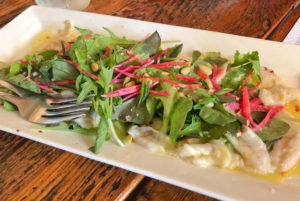
Tim emphasized the importance of local sourcing, or at least, knowing the source of the food he serves. He mentioned connections with different fish and shellfish providers and local distributors as we enjoyed delicately balanced yellowtail flounder ceviche (“cooked” in blood organge and balsamic vinegar) caught the day before by Capt. Tim Rider of New England Fishmongers. The flounder was served amid a crisp spring, palate-awakening salad of greens, chives watermelon radish and pine nuts.

Perfect spring-into-summer ceviche.

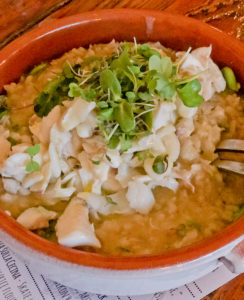
As we discussed getting seafood smart about underutilized species, we devoured a risotto made with green crab stock, green crab roe and haddock. European green crabs have been around the U.S. coast for almost 200 years, can eat up to 40 mussels a day and can produce up to 160,000 eggs a year. They destroy eelgrass beds while devouring larval mussels, clams and oysters.

Green crabs make an excellent stock. The roe and the roasted haddock made this risotto sing. Credit: Steve Wyman

So it was good to hear from Marissa McMahan of Manomet that a collaboration of researchers and fishermen are sorting out the soft shell timing of green crabs in hopes of creating a consumer market to eat the invasive species. An established market already exists in Italy. The stock and roe added a fabulous flavor to the risotto, which also featured roasted haddock and daikon radish. Excellent balance.

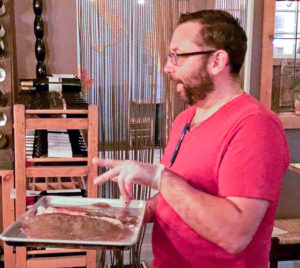
Risky move showing the before side of the skate story? Nah, it’s all part of getting to know your seafood. Chef Tim O’Brien describing the process and the benefits of this under-loved species.

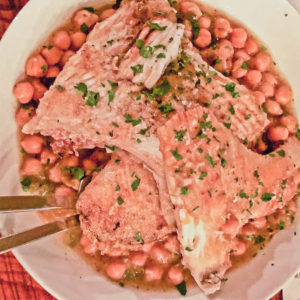
The last course was “Razza Sull Cecina”, the heretofore mentioned skate wing pan-seared with rice flour and finished atop cecina, which is an outstanding preparation of wine and butter braised chickpeas, leeks, garlic and black pepper. The skate was tender but flavorful with the cecina backdrop.


The skate may be a beast to skin, but it’s delicate and carried the flavor of the cecina very well. Credit: Steve Wyman

A fisherman’s tale

As we discussed the importance of knowing the story behind the seafood, I talked about Capt Tim Rider, who also provided the haddock and the skate for the dinner. He planned to attend the dinner and tell his story so people would have context behind the fish they were eating.

Sadly, he was unable to make it because he had to tow in a fellow rod-and-reel fisherman whose boat broke down offshore. New England Fishmongers forges close relationships with chefs to bring in fresh, properly handled seafood harvested in the Gulf of Maine. Capt. Tim and his crew often leave the dock at 1 a.m. and return late in the afternoon or in the evening, only to turn around and do it again. If someone is broken down out on the ocean, they help them out.

That is his story, and it’s the story of many fish harvesters. Knowing who caught your fish, when, where and how they caught it is great if you can discover that. Those of us fortunate enough to live around the Gulf of Maine live in the cradle of one of the seafood capitals of the world. We don’t have to work too hard to find fresh, locally harvested fish and shellfish, and the story behind it.

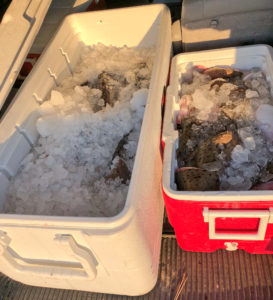
Fresh off the boats. The haddock came from Capt. Tim’s Finlander I in Porstmouth, NH, and the flounder and skate came from his Finlander II in Gloucester, Mass. All delivered to Chef Tim in Brunswick the night before.

Back to the question

Folks in Kansas? Not so much. So my answer to the question about what they can do stems from the premise behind One Fish Foundation: Know your seafood. I believe habit, driven by price is one of the main catalysts behind the astronomically high rate (90%!) of imported seafood in the US.

You want salmon for dinner in the Heartland? You go to your local Walmart or other chain, grab the salmon in the case and head for the checkout. You may even read the label and see that it was “all natural” and farm-raised “fresh” in Chile. And that may be all the information you need to make your decision to buy.

But it’s also all the information you need to give you pause. Suppose you knew that Chile salmon farming operations have the highest rate of antibiotics use, by far, of any country in the world. Even with all of that antibiotic use, Chile suffered a massive algal bloom in 2016 due to a confluence of environmental and management issues such as improper net pen siting and overcrowding. Twenty-four million fish died at a roughly $1 billion cost to the industry.

To get around the BIG hurdle of habit, we need to be having more of these conversations about why our choices matter. So yes, knowledge is power. For folks in Kansas, some knowledge could help them realize that even though they can’t get pollock right off the boat, they may be able to get some that has been caught domestically. The technology for frozen-at-sea products is such that the freshness of the fish or shellfish is preserved as if it had just come out of the water, if done properly. This was an enlightening discussion at Slow Fish 2018.

The US has some of the highest standards for food safety and fisheries management in the world. And if your local store doesn’t have anything that fits the bill, apply some pressure. It may take some time, but consistent pressure can change their buying policies.

Also see if there is some sort of community-supported fishery that may provide good, responsibly harvested domestic seafood. Like a CSA for farm produce, a CSF offers nearly direct from the boat fish delivered weekly (or whatever timeframe) for buying a share up front. Some operations provide this service in the heartland.

If price is a factor, look for a species that is abundant, and not salmon, tuna, cod, etc. Try cusk, for example. Also, some seafood counters offer the small pieces that can’t be sold alone at affordable prices. Cost can be the elephant in the room, particularly for those who may not be able to afford “sustainable seafood,” and it will be a topic for a future blog.

So the KNOW FISH Dinner at Enoteca was again a great discussion set to the backdrop of an outstanding meal prepared with locally harvested seafood with a compelling story behind it.

We’ll keep trying to change the import dynamic, one conversation at a time.

Stay tuned.


Top photo credit: Steve Wyman


All Blog Posts

The Story of Seafood

  • May 25, 2017October 20, 2021
  • by Colles Stowell
Share it!
Share

There’s a fair amount of planning that goes into these KNOW FISH dinners. Working with fishermen and oystermen to provide product. Coordinating dates, menus, sales operations, space, staffing etc. with chefs. Logistics.

Despite all of this planning, sometimes things change last minute and you have to adapt. It’s an almost everyday occurrence in the restaurant industry, particularly when you strive to be farm- or boat-to-table.

And so I found myself shucking a few dozen oysters at Tinos Greek Kitchen less than an hour before guests were to arrive last night. As often happens, Mother Nature dictated a deadline change when it dumped heavy rain on Great Bay on the Piscataqua River over the weekend, forcing the state of New Hampshire to close the bay to shellfish harvesting the day before the event.

We scrambled to get some Gulf of Maine oysters, and processed them just in time for dinner. It became a great talking point about eating with the ecosystem (ie, adapting to what’s available and what Mother Nature allows). Fishing is no exception. Capt. Tim Rider of New England Fishmongers, who provided the fish for the dinner, will tell you change is a constant. He could find pollock in the same spot three days in a row in 300 feet of water 60 miles offshore. But on the fourth day, the wind is cranking at 30 knots with eight-foot swells and his boat, the F/V Finlander, stays docked. On the fifth day, the fish have moved out.

Snow Island Oysters, seeded in Quahog Bay off Harpswell, Maine to help clean the bay. Photo credit: Ed Marshall

Seafood stories

At the dinner, we discussed the importance of eating what’s locally available, abundant and in season. For example, squid are cruising in numbers in the Northeast Atlantic. Chef Mark Segal and his team prepared wood grilled squid (from the F/V Rimrack out of Rye, N.H.) with roasted eggplant, roasted red peppers, crispy smashed chickpeas, olives, pepperoncino, feta, egg breadcrumbs and green crab aqua pazzo. Fabulous. The plates went back to the kitchen scraped clean.

Stuffed local squid that didn’t last long in anyone’s dish. Photo credit: Mike McGrail

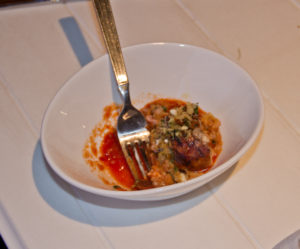
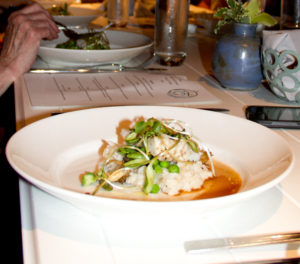
The menu itself testified to the narrative of eating what’s local and fresh. The fourth course was listed as “Local Whitefish al Forno” because Chef Mark prepared the menu not knowing which groundfish Capt. Tim would bring in that day. The pollock, which was fired to the perfect temperature, texture and taste, was served with finnan haddie (cold smoked Finlander haddock) risotto, English peas, fiddlehead ferns, and hen of the woods mushrooms. Stellar.

Fresh pollock al forno landed aboard the F/V Finlander. Photo credit: Mike McGrail

We discussed how every dish has a story, just as every piece of seafood we purchase has a story. The story tells where, when, how and by whom it was harvested. The question is whether we can get that story before we buy; whether we can believe that story; and what that story actually is. Because U.S. seafood consumption is so disproportionately skewed toward cheap imports (more than 90% of the total seafood consumed domestically), finding the truth behind the seafood requires vigilance from consumers. They have the right to find out these stories so they know what they’re eating.

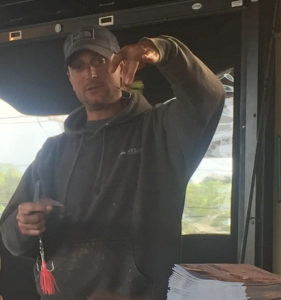
Capt. Tim rider displays a heavy jig and the type of fly used to catch groundfish, like the pollock on the menu. Photo credit: Ed Marshall

The Snow Island Oysters I helped shuck were from Quahog Bay in Harpswell. The Quahog Bay Conservancy seeded the oysters for aquaculture a few years back in an effort to help clean the bay. As filter feeders, oysters remove some of the excess particulate matter like plankton and nitrogen that could choke the bay with harmful algae if left unchecked.

Another course weaving in the local seafood narrative with a Greek twist featured Dolmades, grape leaves stuffed with Maine cultured mussels, golden raisins, red onion and served with saffron avgolemono (a Greek sauce featuring egg yolk, lemon and broth). Again, excellent Mediterranean flavors complementing Gulf of Maine seafood.

Rethinking seafood purchases

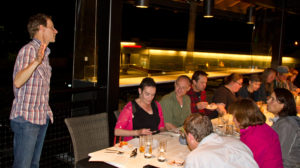
On the theme of adaptation, I urged attendees to re-think how they approach seafood purchases by taking a more active role in discovering the story behind the seafood. As with previous KNOW FISH dinners, we printed some sustainable seafood principles, called the 7 C’s of Sustainable Seafood, on the back of the menu. I encouraged them to take those concepts with them the next time they go to a seafood counter or a restaurant. Buying local is like making a covenant with local fishermen: “I trust you to provide good, sustainably harvested seafood. You trust me to pay a fair price.”

Capping the evening with a mission to spread the word over an inventive, and very satisfying dessert. Photo credit: Mike McGrail

Doing so likely supports fishermen like Capt. Tim Rider, or oystermen like Steve Weglarz of Cedar Point Shellfish and Brian Gennaco of Virgin Oyster, Co., who were both on hand to discuss local oyster aquaculture.

I asked everyone at the table to channel the energy from the event into conversations they have in their communities. Changing a broad national dynamic such as how we buy seafood in the U.S. happens at a grassroots level by spreading the message as often, as loudly, and as passionately as we can.

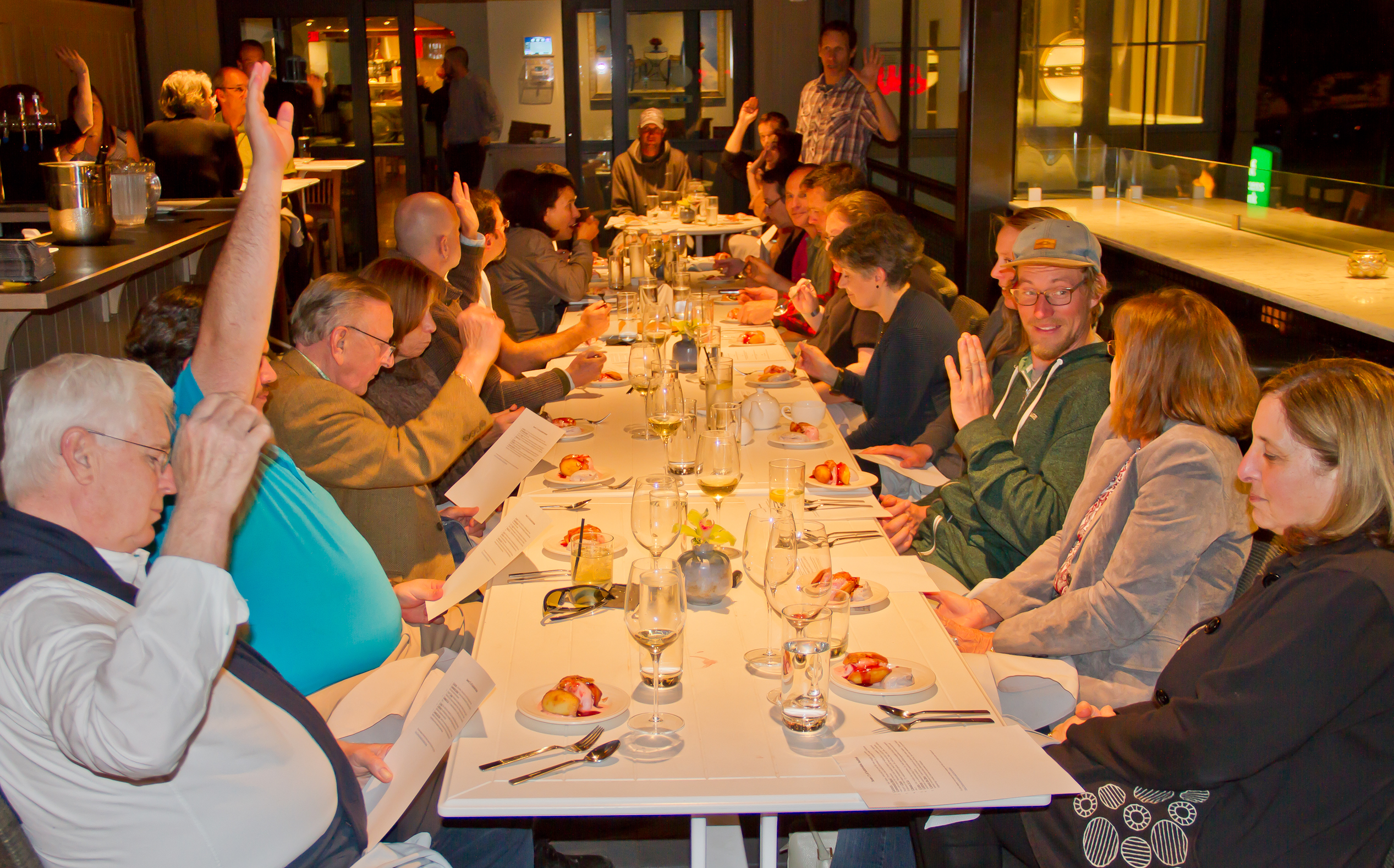
Top Photo: Reviewing the 7 C’s of Sustainability over dessert — Swedish Fish ice cream, lingonberry glaze, madeleine, almond brittle and blueberry cream legere. . Credit: Mike McGrail

All Blog Posts

Day in the Life of a New England Groundfish…

  • September 1, 2016October 20, 2021
  • by Colles Stowell
Share it!
Share

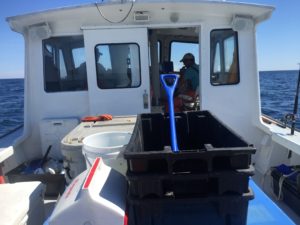
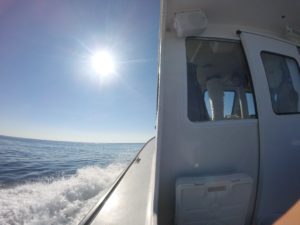
As the last sprays of daylight faded to black, I stepped off the M/V Finlander in Eliot, Maine and tried to get grounded. I was tired. Damn tired. And a bit sore. We’d left the dock at 1 a.m., traveled four hours to the fishing grounds 65 miles out, fished hard for 9 hours with rod and reel and chugged back to port, docking at about 8:30 p.m.

Loading up just after 1 a.m.

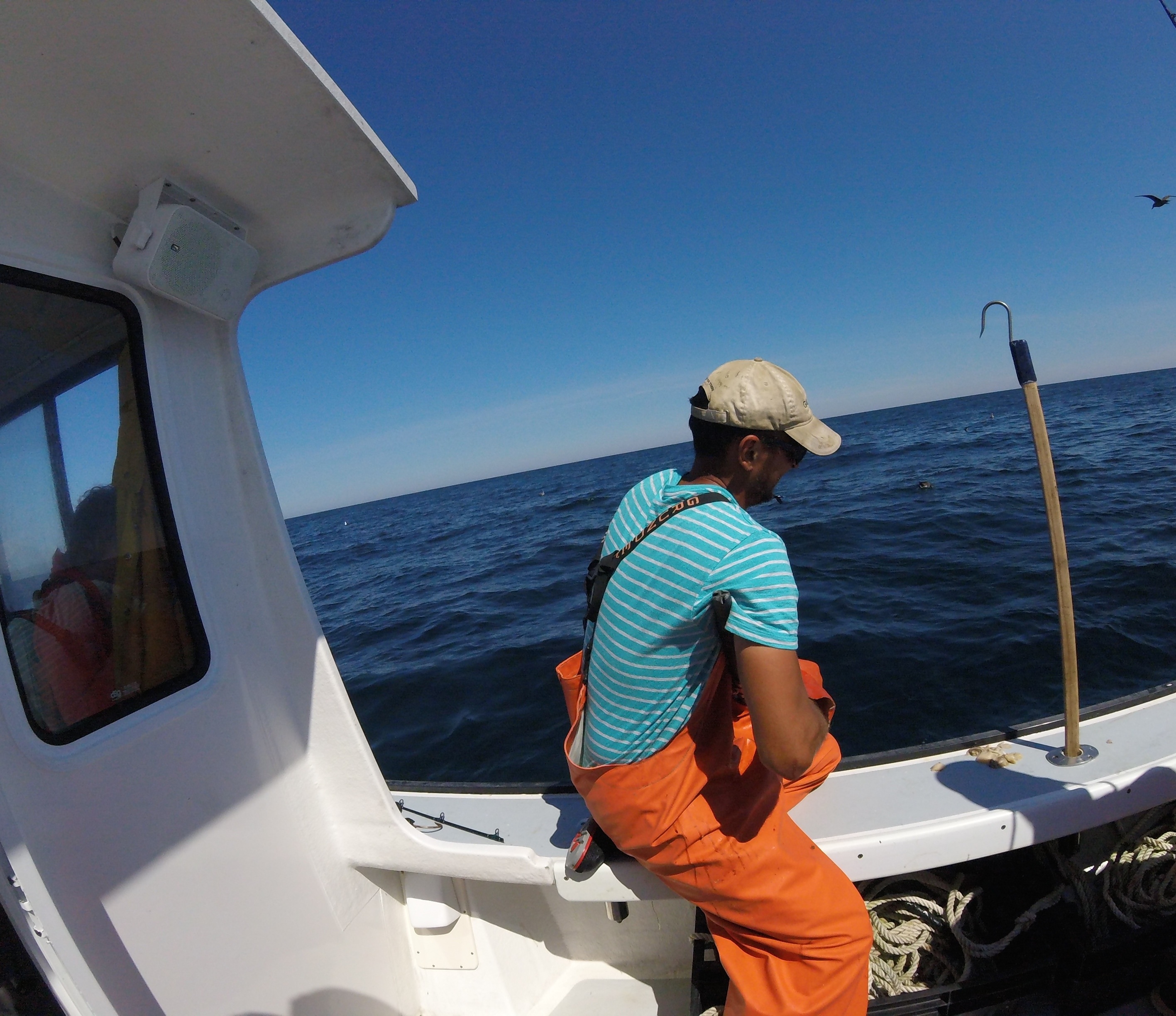
This wasn’t recreational fishing. To get comfortable, I dangled a leg over the gunwale of the 36-foot commercial fishing boat and rested the heavy-duty rod on my leg while jigging a 20-ounce shiny lure and three flies just a foot off the bottom, 400 feet down. When a fish hit, I’d have to crank it all the way up with an industrial-strength reel and hope the 10-foot blue sharks circling the boat wouldn’t steal the fish. Hoist the fish in, measure it after removing the hook, toss it in the tub. Do it again.

Get two fish and you’re likely to be winding 25 lbs or so up 400 feet. POW! A shark hits near the boat and starts smoking line off the reel. The telltale snap two minutes later signals the end of the fight, and you reel up nothing. Time to re-rig. Crank up a couple hundred pounds of fish or so in a few hours, and you’re going to feel it. At least I did. I managed to get past the queasiness and avoid any embarrassment on deck. Any concept of a toilet was sacrificed for an extra bunk to “conserve” some energy on the long rides. The head was a 5-gallon bucket.

It was a long day.

So I had one question for Capt. Tim Rider before I trekked back to my car. “You do this every day?”

Narrow miss
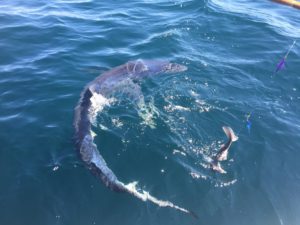
Narrow miss on a dogfish. Check out the video of five sharks circling the boat.

“Just about,” he said, as he cleaned the cabin for the next trip. He’d decided not to fish the next day. We’d brought back 800 lbs. of pollock and haddock, and he would need to drive it to the auction in Portland. (He often sells his catch directly to chefs who share the same beliefs on protecting the resource.) He hadn’t seen much of his family in the past two weeks, having slept in his own bed only two nights in 14 days. The rest of the time he was on the boat.

Paying the price

Fighting to stay awake on I-95 on the way home, I thought about that commitment. Fishing courses through Rider’s veins. It would have to. Otherwise, it sure would be a hell of a lot of work for not a lot of reward. This is particularly true because Rider is part of the Common Pool, a fisheries policy that often forces fishermen like Rider to fish way out because they didn’t have the capital, timing, luck or patience to get the permit to fish the Catch Share sectors. Catch shares are another fisheries policy that operates like a cap-and- trade quota system, often favoring those with the most capital, which can mean access to more desirable fishing grounds.

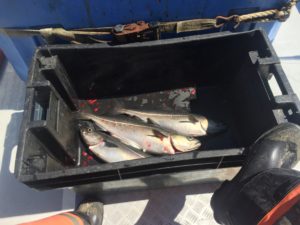
Quality control Step 1. Bleed the fish.

Currently, the outer edge of where Common Pool fishermen are allowed to fish fluctuates seasonally from 18 to 80 miles out. The difference means a couple of hours of travel and probably $300 or so in fuel, tackle and ice.

But the difference runs deeper than that.

When the Maine Department of Marine Resources distributed NOAA funds to offset losses from the groundfish (read cod) disaster relief last year, the money went to fishermen with quota who had the largest landings of groundfish. Those in the common pool were not invited to the table, and therefore, did not receive any disaster relief.

Many ironies exist in fisheries management. And this is one of the starkest examples. Those most hurt by the reduced fishing income were overlooked when it came time to provide financial support. Those like Rider who are so passionate about protecting the fishery that they jig fish in up to 500 feet of water to reduce bycatch seemingly face steeper hurdles than larger scale trawl fishermen, whose bycatch is much more significant.

Strategizing the next fishing stop.

Sector inequality

It is easy to say this is purely a situation of the haves and have-nots. But fisheries management is much more complex than that. Current New England groundfish regulations were initially established in 2010 on the principal that fishermen would more equitably manage and effectively safeguard the resource by creating a free-market environment. The total allowable catch of groundfish such as cod, haddock, Pollock, flounder and other species was divided and allocated to groups of fishermen in sectors, or harvesting cooperatives, based on who had the largest landings between 1995-2005. Fishermen purchased permits that allowed them to fish for certain species in certain areas within the sector during certain seasons. Under this Catch Share system, they are allowed to continue catching fish during the season until they reach the quota limit for each species.

http://qkl.fa0.mwp.accessdomain.com/wp-content/uploads/2016/08/cabin-sound.mp4

The Finlander’s “purr”…

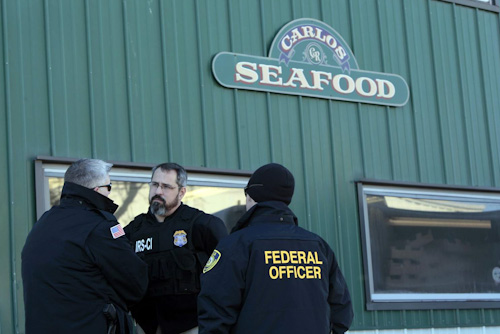
Unfortunately the Catch Share model overlooks a fundamental truth about fisheries economics: If financial resources determines access, then those with the most financial resources will have the most access. And so, an inequitable system was born and small-scale fishermen like Rider are squeezed … hard. Large-scale operators with the resources are encouraged by the very nature of the “get big or get out” system to grow and gobble up more quota, potentially leading to the type of abuses that led to the arrest of the largest distributor in New England last February.  Carlos Rafael’s arrest underscores another truth about the current system: the bigger players don’t necessarily think in terms of good stewardship.

Ocean classroom

Which brings me back to the reason I wanted to go out with Tim for what was pre-ordained to be a very full day. He’d tried to convince me soon after we passed the Isles of Shoals on the way out under a half moon sky. “Colles. I’m not kidding. Get some sleep. It’s a long @#$%&*! day. You’re going to need it.”

The Finlander heads home. Arrived at dock at 8:30 p.m.

I wanted a glimpse, however brief, of what it’s like to be a New England groundfish fisherman, passionate about the work and the resource, and riding the anxiety of an ever-changing fishery with continually tightening restrictions and razor-thin margins. Debt. Changing ecosystems, but slow-to-change consumer palettes. Perpetually bone tired, fueled on adrenaline and Monster drinks (not me) and taking in what the ocean has to offer: whether it be a full hold to bring back to the dock, un-forecasted six-foot seas, a tuna crashing bait or a giant ocean sunfish lazily cruising the surface.

I’ll think of that experience every time I stand in front of a group of people in a classroom or a restaurant to discuss what sustainable seafood means.


Check out the latest news updates about Capt. Tim Rider and the M/V Finlander crew at New England Fishmonger’s Facebook page. There, you’ll see some of the Seacoast restaurants the Finlander supplies.

Top photo: Capt. Tim Rider tries … unsuccessfully … to finagle his gear back from a blue shark.

All Blog Posts

Fish Mogul’s Arrest Raises Questions About Fisheries Policy

  • April 1, 2016October 20, 2021
  • by Colles Stowell
Share it!
Share

To hear Carlos Rafael tell it, the oceans are there to make a profit on. It’s up to those who have the most resources to make the most profit.

Or so you might think if you looked at the pending federal criminal charges he faces. Or the electronic bracelet around his ankle, which lets law enforcement know if he’s abiding by his curfew, and that he’s likely not trying to slip another fast one past authorities.

According to federal allegations, he’s slipped several million dollars worth of illegally harvested and labeled seafood through his Carlos Seafood operation in New Bedford, Mass. past authorities for decades. In court documents filed last month, investigators from the Internal Revenue Service claim Rafael, the largest seafood distributor in New England with more than 40 boats in his company’s name, intentionally defrauded the government by hiding his actual catch volumes and mislabeling fish. Prosecutors allege the mislabeling involved an intricate scheme whereby less abundant, more regulated and higher priced species like sole were labled as more abundant lower priced haddock arriving at port. Rafael allegedly misrepresented those species on federal catch quota forms he filed by mail or online. Then the species were sold at a higher price to a New York wholesaler who allegedly paid for the fish with bags of cash.

The brazenness with which he allegedly bragged about how he “did the dance,” as he described his activities, is astounding. “When the [inspector] disappears, that’s when we got a chance to make the fish disappear,” he allegedly told undercover agents posing as Russian mafia interested in buying his business, describing the ease of the deception when investigators did not meet his boats at dock. He boasted of netting $668,000 in less than six months, and that he smuggled some of the cash to bank accounts in Portugal, according to the affidavit.

Rafael is out on a million-dollar bond, wearing the ankle bracelet as a constant reminder of what went wrong after he allegedly tried to sell his business for $175 million, even though his books only reported $21 million in combined assets. The rest, he told undercover agents, was unreported profit, according to the affidavit filed in federal court.

As of last week, the court granted a prosecution request for an extension in seeking an indictment.

The news of Rafael’s arrest on Feb. 26 shook the industry from coast to coast. The aftershocks continue to send ripples throughout the entire supply chain and beyond.

Many commercial fishermen spoke out, pointing to Rafael as an example of how existing fisheries management policy has created an environment that breeds the kind of abuses Rafael is accused of. Specifically, they point to current catch share programs that allow deep-pocketed operations like Rafael’s to buy up the quota and essentially control fisheries. Not only do they gobble up quota and permits, they also snatch up processing facilities on shore, so that defrauding the management system, as prosecutors allege Rafael did, is easier. If you control the captains and crew on the water, the boat, the processor and the supply chain, mislabeling becomes a much easier process.

This schema has several negative impacts. First, it forces out smaller scale fishermen, many of whom are family operations in business for generations and just barely scraping by. If they don’t have the profit to pay for the ever-escalating quota costs, they can’t compete. Secondly, placing control over select fisheries into the hands of a few well-funded operations means there are fewer disparate voices on the water actually taking care of the resource. Put another way, there are fewer people self-policing the fishery to make sure peers aren’t cheating. Also, more eyes on the water can be a first alert to dramatic changes in the fishery, hopefully triggering a fast response to protect the resource.

But here’s another problem that arose in the wake of the news of Rafael’s arrest: Public image. It takes one or two people getting caught cheating the system on a grand scale to cast a long shadow on commercial fishermen. It’s the case of one bad apple taking out the whole bushel. The arrest of Rafael, who is a fleet owner and distributor, not a fisherman, has fueled questions about how rampant this kind of fraud is within the current quota system. Witness this blog from the Conservation Law Foundation. I’ve seen recreational fishing guides discussing this on social media.

The reality is that most commercial fishermen in the U.S. are just trying to make a living. Most know that if they don’t take care of the resource, they could put themselves out of business.

The U.S. has one of the most closely regulated fishing industries in the world. Any fraud or other illegal operations that occur here pale in comparison to what happens in Asia, for example. [Quick side note: It’s kind of frightening to think of what could happen if trade agreements like the Trans Pacific Partnership are fully ratified. Domestic fishermen already fighting an uphill battle against foreign imports and large quota grabs will likely be pushed out even faster, as cheap, largely uninspected foreign seafood floods the market.]

The close scrutiny of U.S. investigators led to the charges against Rafael. Perhaps the fact he’s been convicted of tax evasion and making false statements on landing slips and was acquitted of price fixing charges in the past 30 years helped focus that scrutiny.

If there is a silver lining in this mess, it’s this: First, a significant operator was caught allegedly cheating the system on several boldface fronts. Second, those charges have elevated the discussion of how and why such alleged crimes occurred. Third, the discussion will continue to focus on the current quota system, and how it promotes an uneven system of the “haves” controlling fisheries at the expense of the “have nots.” Fourth, it will hopefully unify commercial fishermen to speak out against current catch share policy, and perhaps take a renewed approach to self-policing violations that could further damage the industry image.


Further reading

Here are two additional examples where operators have exploited weaknesses in current catch share policy … and got caught.

Arne Fuglvog: Alaska fisherman, turned policy maker, turned federal inmate, turned lobbyist.

American Seafood, one of the largest businesses in U.S. Seafood, controlling Pollock quota system, convicted of tampering with the scales used to weigh and report Pollock catches.


photo credit: PETER PEREIRA/THE STANDARD-TIMES/SCMG


Recent Posts

  • Hurricane Ida wreaks havoc on Louisiana’s seafood industry
  • EPA Should Use Clean Water Act To Kill Zombie Mine
  • Slow Fish 2021: Relationship Matters
  • Faith, Façades, and Futility
  • Pebble Permit Paused: Politics at Play

Archives

  • September 2021
  • August 2021
  • April 2021
  • December 2020
  • August 2020
  • June 2020
  • February 2020
  • December 2019
  • November 2019
  • October 2019
  • July 2019
  • May 2019
  • April 2019
  • March 2019
  • January 2019
  • December 2018
  • November 2018
  • June 2018
  • May 2018
  • March 2018
  • February 2018
  • January 2018
  • December 2017
  • November 2017
  • October 2017
  • September 2017
  • August 2017
  • July 2017
  • June 2017
  • May 2017
  • April 2017
  • March 2017
  • January 2017
  • December 2016
  • November 2016
  • October 2016
  • September 2016
  • August 2016
  • July 2016
  • June 2016
  • May 2016
  • April 2016
  • March 2016
  • February 2016
  • January 2016
  • December 2015
  • November 2015
  • October 2015
  • September 2015
  • July 2015
  • June 2015
  • May 2015
  • April 2015
  • March 2015
  • February 2015
  • January 2015
Theme by Colorlib Powered by WordPress