Skip to content
One Fish Foundation
  • Blog
    • Aquaculture
    • Education
    • Environment
    • Policy
    • Wild Harvest
    • Fish Tales
  • About
    • About One Fish
    • About Colles Stowell
  • Education
    • Elementary School
    • Middle School
    • High School
  • KNOW FISH Dinners®
  • Resources
    • One Fish Podcast
    • One Fish Foundation in the news
    • The 7 C’s of Sustainable Seafood
    • Newsletter Archive
    • Recipes
      • Skate with Capers and Butter — Chef Rizwan Ahmed
      • Grandma Davis’ Fish Chowder — Jane Almeida
      • Ginger Garlic Tamari Scallops — Colles Stowell
      • Fish Stock — Evan Mallett
      • Mussels San Remo — Chef Rob Martin
      • Salted Pollock Croquettes – Chef Mark Segal
  • Connect
    • Contact OneFish
    • Social
      • Instagram
      • Facebook
      • Twitter
All Blog Posts

What’s In Your Imported Farm-Raised Shrimp?

  • May 3, 2016October 20, 2021
  • by Colles Stowell
Share it!
Share

A recent Food and Drug Administration alert about farmed shrimp from Asia raises health questions about the food system that delivers imported shrimp to the U.S. and the rest of the world. The notice also serves as a warning to consumers to know more about where the seafood comes from and how it was grown or harvested.

Forty-five out of 138 shipments (32%) from the Malaysian Peninsula sampled between October 1, 2014, through September 30, 2015 were found to have carcinogenic substances the FDA doesn’t want in our food. So the FDA has given inspectors the authority to reject all shrimp shipments from the Malaysian peninsula, save for a few exceptions, without a physical inspection.

What did they find? Antibiotics called nitrofurans and chloramphenicol, both of which have proved harmful to human health with prolonged exposure. Additionally, prolonged use can create antibiotic-resistant bacteria that can make matters worse.

So carcinogenic antibiotics were found in aquaculture shrimp from Asia.

Shock. Surprise.

The question is why. To better understand, let’s take a quick look at how shrimp farming typically works, and why it should give anyone pause when at a grocery store, seafood market or restaurant.

Big business, big risks

Shrimp farming is a huge business. Some estimates have global farmed shrimp at 3.7 million metric tons in 2014, worth between $12 billion and $15 billion dollars. The drive to grow profits as well as shrimp means increasing production.

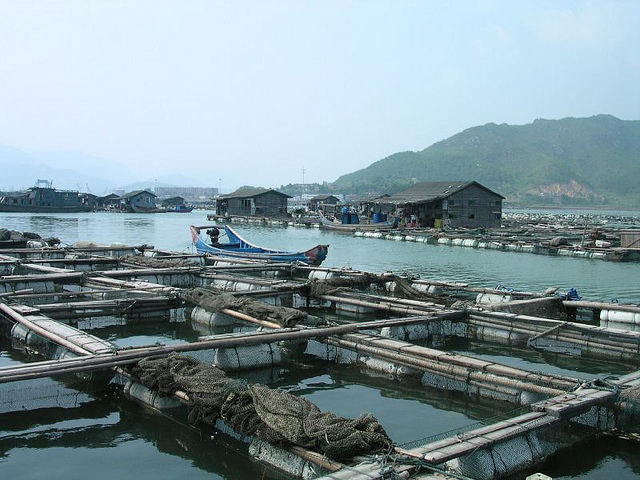
Shrimp farming often starts by destroying and removing ecologically critical mangrove ecosystems (nurseries for many species) to create retention ponds where the shrimp will grow. These ponds are usually fed with seawater that passes through the ponds and often re-enters the ocean … carrying much of the waste filtered through ponds carrying thousands of pounds of shrimp and their feces. Many operations claim they filter the water before it enters the ocean, but…

But because shrimp are the number one consumed seafood around the world, many operations in Third World countries in Central and South America and Asia jam as many shrimp into these ponds as possible. Without proper filtration, those shrimp are highly susceptible to disease, because, you know, they’re swimming in their own poop.

Bad medicine

For the past decade or so, many operators have found it easier to use antibiotics and other potentially harmful materials to fend off the bacteria that could cause disease. Those antibiotics don’t just disappear overnight. They don’t always fend off disease either, resulting in huge losses. Just witness recent cases of “early mortality syndrome (EMS)” in Asia.asianshrimpfarm_405x250
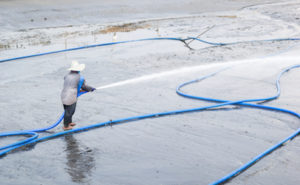
EMS is a devastating disease borne of a microorganism found in estuaries around the world, and showing up in overcrowded ponds that have poor filtration. The bacteria shut down the shrimp’s digestive system, killing the shrimp. Its infection rate is fast and efficient, meaning it can quickly kill all of the shrimp in a pond. EMS has mostly been found in Asia, but has also cropped up in Mexico.

To try and avoid catastrophic losses, growers choose from a menu of preventative measures, such as chlorine, superphosphates and ozone to disinfect the water, probiotics to fight off the bad bacteria and stabilize the water quality and antibiotics to treat illness. Aside from the potential threats to human health, another issue with these approaches appears to be that they may actually make the ponds more susceptible to infection, according to some scientists.

None of this is good for the shrimp or consumers.

Market impact

The Global Aquaculture Alliance estimates EMS causes $1 billion in losses annually. This explains why shrimp farmers are willing to do most anything to bring “healthy” shrimp to market … including using antibiotics the US FDA deems carcinogenic.

Here are some problems with this food system:

  • 90% of the seafood eaten in the U.S. is imported;
  • 50% of the seafood consumed in the U.S. is farm raised;
  • Only 5% of the seafood consumed in the U.S. is farm raised domestically;
  • 90% of the world’s shrimp exports come from Asia and India;
  • 55% of global shrimp production is aquaculture;
  • The U.S. is far more strict about safe aquaculture practices than most of the world;
  • The FDA is understaffed for inspectors, particularly those inspecting incoming seafood.

Source: UN Food and Agriculture Organization 2014 Status of the Stocks

This all means that most of the farmed shrimp consumed in this country was farm-raised in Asia, where there is a greater chance that it was treated with chemicals deemed unsafe to consume by the FDA. And there aren’t enough inspectors checking all of the imports.

How could this situation get much worse? If the latest trade deal, the Trans-Pacific Partnership, is approved in Congress, the few inspectors checking U.S. imports may have their hands tied. The pact allows signatories like Thailand, Viet Nam and yes, Malaysia to sue the U.S. claiming that applying more strict U.S. health codes to imported seafood constitutes unfair trade practices. The result could be sanctions, fines and an open door to products tainted with carcinogenic substances.

Get smart

In the classroom the message always comes back to awareness. I encourage students to question where their seafood comes from. I considered it a shrimp-diseasemoral victory a few months ago when a 6th grader told the class she stopped her mom from ordering shrimp because it was from Thailand.
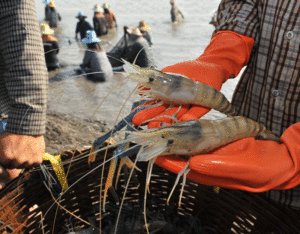
It’s that kind of awareness that helps students, their parents and anyone else understand that shrimp coming from Asia, or anywhere outside the U.S. is a good thing to avoid.

So you may want to pause before ordering the shrimp cocktail. Try to find the country of origin. If the shrimp isn’t from the U.S., you may want to consider another option. Because when the FDA sends up a red flag like this, it’s a good idea to take note.


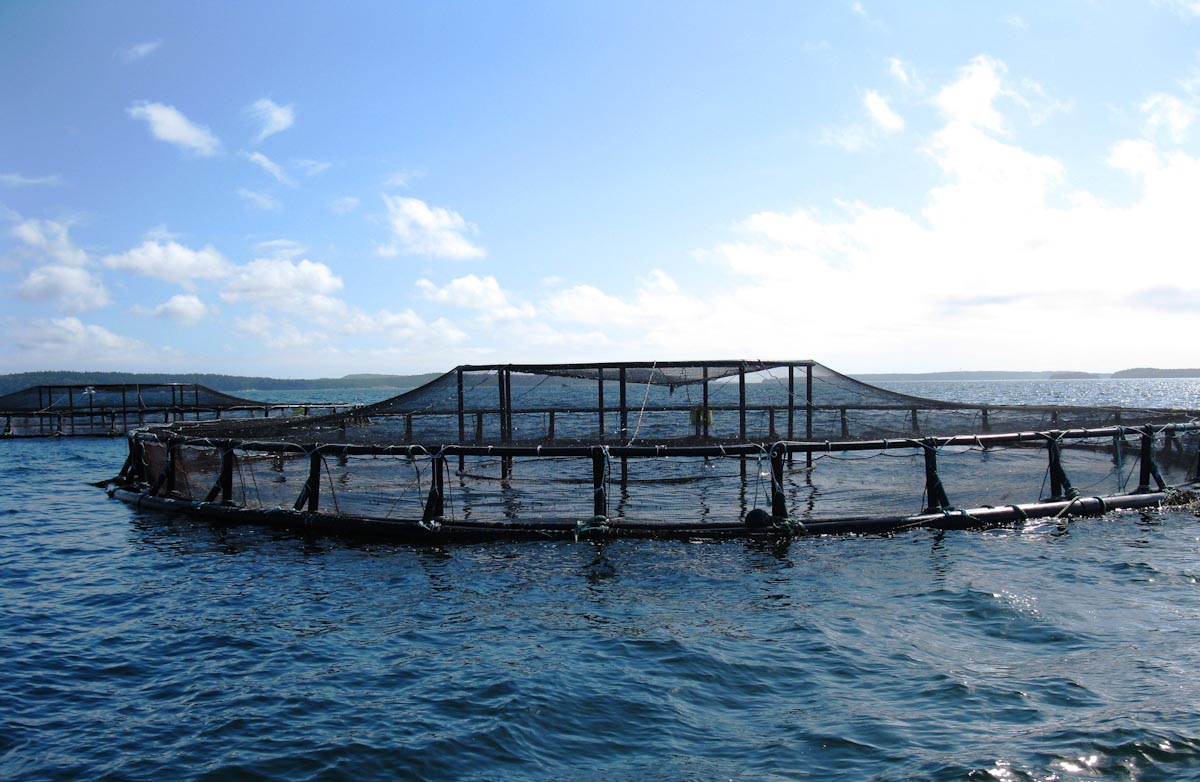
Photo credits in order: Eco News Network, Food Safety News, U.S. Bureau of Labor Statistics
All Blog Posts

NOAA Opens Door to Aquaculture in the Gulf of…

  • January 16, 2016October 20, 2021
  • by Colles Stowell
Share it!
Share

Federal regulators yesterday announced the country’s first regionally approved aquaculture management program in the Gulf of Mexico. The NOAA “final rule” essentially clears the way for private entities to begin fish and shellfish farming in U.S. federal waters (exclusive economic zone). According to the announcement, those operations must follow the fishery management plan established by the Gulf Coast Fishery Management Council. Read more “NOAA Opens Door to Aquaculture in the Gulf of Mexico” →

All Blog Posts

FDA Rubber Stamps Genetically Modified “Frankenfish”

  • November 23, 2015October 20, 2021
  • by Colles Stowell
Share it!
Share

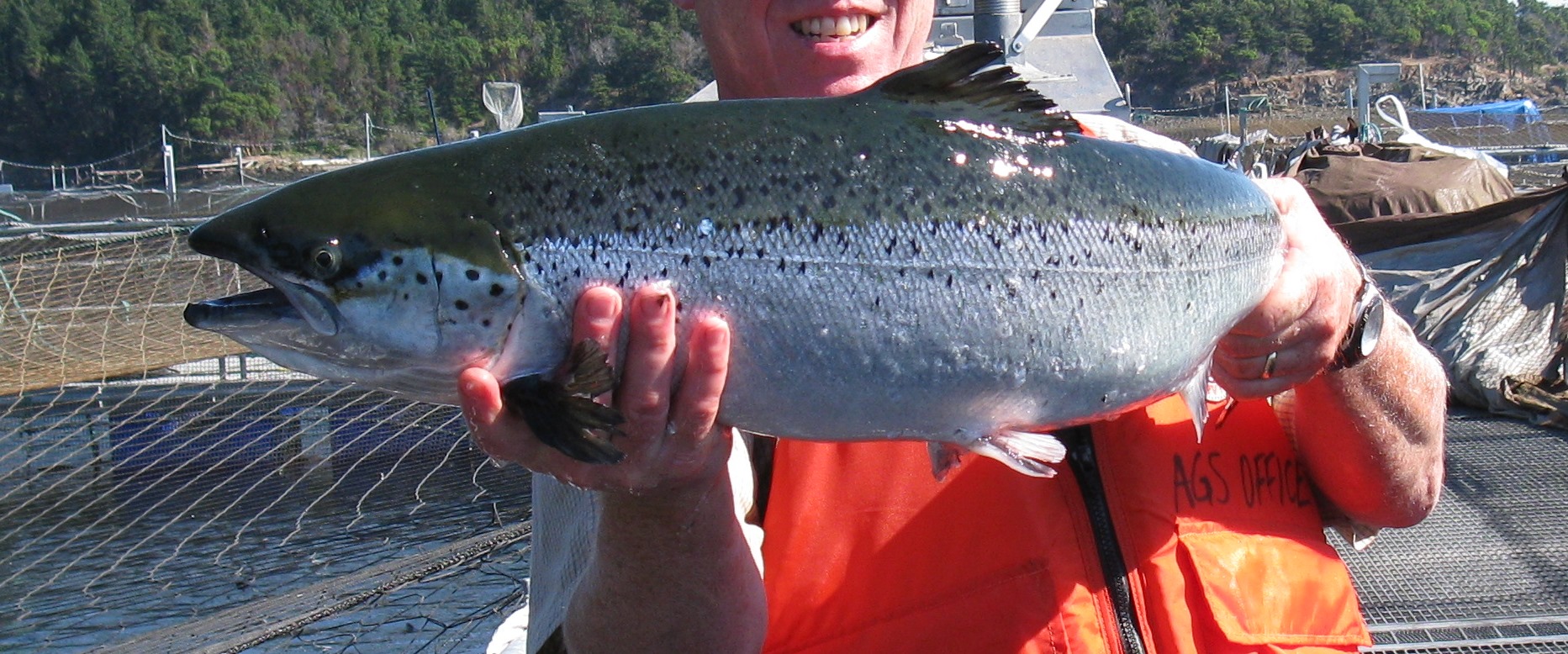
You may well have heard last week the FDA cleared the path for genetically modified salmon to hit the market after a protracted five-year review. It was a landmark decision that could have long-lasting implications for other genetically engineered (GE) products such as livestock (pigs, cattle, chickens) as well as reinforcing industry opposition to labeling such products (as in produce).

In a nutshell, the FDA determined the AquAdvantage salmon created by Massachusetts-based AquaBounty is safe to eat, and does not require specific labeling to identify that the fish has been genetically modified.

The AquAdvantage salmon are grown from eggs developed in Prince Edward Island and raised in land-based pens in Panama. The industry selling point for GE salmon is that it grows twice as fast on about a quarter of the feed that traditionally farmed salmon require. So some advocates point to AquAdvantage as a more environmentally friendly method of aquaculture that could meet the huge demand for salmon without raping wild populations.

Sadly, this decision sets a very bad precedent that could really confuse consumers, not to mention raising all kinds of scary questions about what happens when we eat food that has been injected with growth hormones.

Let’s take a look at some of the more pressing concerns:

  • Hormone use – The fish are developed with a growth hormone gene from a Chinook salmon and more genetic material from an ocean pout that help the salmon grow to market weight in less than 20 months, while traditional farming requires up to 36 months. While the FDA says this hormone is safe for the fish and for humans, there really hasn’t been enough detailed study about the long-term health effects on humans who ingest this kind of hormone.
  • No labeling – If it’s safe for consumers, why not label the product? It’s a simple question that has been raised about GE produce. Short of a credible answer, we’re left to suspect that there’s something AquaBounty or Monsanto don’t want us to know. The FDA says it can only compel GE manufacturers to claim the product has been genetically altered “… if there is a material difference – such as a different nutritional profile – between the GE product and its non-GE counterpart.” So what part of injecting a hormone combining material from two vastly different species to create a third isn’t “a material difference?”
  • FDA regulation: So this is interesting. The FDA wants to regulate GE salmon under the same framework as it regulates veterinary drugs because of the hormone involvement. The FDA says the hormone “meets the definition of a drug.” This suggests the FDA doesn’t have an effective framework for adequately reviewing and regulating GEsalmon. To wit, the FDA seems to be applying antiquated ideological governance to a very modern, technical challenge.
  • Geography: I can’t put my finger on it, but something seems strange about a Mass. company using eggs developed in Canada to “create” fish to be raised in Panama. Smacks a little too much like “Blade Runner” to me.

From a practical standpoint, the labeling issue is almost hypocritical. If food manufacturers are required to tell how much sugar, salt and fat grams go into a box of cereal, why shouldn’t salmon farmers have to tell the truth about genetically engineering the fish? If it’s about a potential stigma image, then create a better, more believable narrative, or just don’t genetically engineer the fish. Trying to mask it just raises more suspicion. The FDA’s one consolation to those clamoring for GE labeling? Voluntary labeling.

Yeah, that’s likely to happen.

I admit I’ve evolved a bit in my thinking on finfish aquaculture. I still have many questions and several concerns. But some operations using closed, re-circulating systems that minimize environmental and ecosystem impact and use more plant-based feed could meet a need. Any operation certified as having outright banned hormones or antibiotics and having eliminated the problem of farmed fish escapes is better than GE.

It will be at least two years before Frankenfish hits markets. And even then, it will likely be only a small fraction of globally available farmed salmon as AquaBounty’s infrastructure is still small. Whole Foods, Trade Joes, Safeway and Kroger have all pledged to not sell the fish. The Center for Food Safety has said it will sue the FDA over this decision.

Polls in the last five years by NPR and New York Times suggest overwhelming majorities of the public would not eat GE salmon.

Count me as one in those numbers. I fear this will open a door we shouldn’t open now, and once we step through, there won’t be any turning back.


All Blog Posts

Cultivating the American Seafood Narrative

  • October 7, 2015October 20, 2021
  • by Colles Stowell
Share it!
Share

We need to take back the 90%. That was the rallying cry of sorts at the East Coast Seafood Forum held yesterday at the National Aquarium.

That 90% represents the amount of seafood consumed in the U.S. that has been imported from other countries. Brett Veerhusen, executive director of Seafood Harvesters of America, underscored the point that everyone in attendance knew: Importing that much seafood with the resources available domestically is unacceptable. Read more “Cultivating the American Seafood Narrative” →

All Blog Posts

New Trade Deal Could Handcuff Local Seafood Systems

  • June 16, 2015October 20, 2021
  • by Colles Stowell
Share it!
Share

Tell me if this is your definition of democracy: Ramming through a piece of legislation that Congress is not allowed to amend, that the public is not allowed to review and comment on, and that would ultimately surrender control over local seafood resources to foreign companies, while paving the way for cheaper, less regulated product to flood domestic markets.

Sound farfetched?

Read more “New Trade Deal Could Handcuff Local Seafood Systems” →

Posts pagination

1 2

Recent Posts

  • Hurricane Ida wreaks havoc on Louisiana’s seafood industry
  • EPA Should Use Clean Water Act To Kill Zombie Mine
  • Slow Fish 2021: Relationship Matters
  • Faith, Façades, and Futility
  • Pebble Permit Paused: Politics at Play

Archives

  • September 2021
  • August 2021
  • April 2021
  • December 2020
  • August 2020
  • June 2020
  • February 2020
  • December 2019
  • November 2019
  • October 2019
  • July 2019
  • May 2019
  • April 2019
  • March 2019
  • January 2019
  • December 2018
  • November 2018
  • June 2018
  • May 2018
  • March 2018
  • February 2018
  • January 2018
  • December 2017
  • November 2017
  • October 2017
  • September 2017
  • August 2017
  • July 2017
  • June 2017
  • May 2017
  • April 2017
  • March 2017
  • January 2017
  • December 2016
  • November 2016
  • October 2016
  • September 2016
  • August 2016
  • July 2016
  • June 2016
  • May 2016
  • April 2016
  • March 2016
  • February 2016
  • January 2016
  • December 2015
  • November 2015
  • October 2015
  • September 2015
  • July 2015
  • June 2015
  • May 2015
  • April 2015
  • March 2015
  • February 2015
  • January 2015
Theme by Colorlib Powered by WordPress