Skip to content
One Fish Foundation
  • Blog
    • Aquaculture
    • Education
    • Environment
    • Policy
    • Wild Harvest
    • Fish Tales
  • About
    • About One Fish
    • About Colles Stowell
  • Education
    • Elementary School
    • Middle School
    • High School
  • KNOW FISH Dinners®
  • Resources
    • One Fish Podcast
    • One Fish Foundation in the news
    • The 7 C’s of Sustainable Seafood
    • Newsletter Archive
    • Recipes
      • Skate with Capers and Butter — Chef Rizwan Ahmed
      • Grandma Davis’ Fish Chowder — Jane Almeida
      • Ginger Garlic Tamari Scallops — Colles Stowell
      • Fish Stock — Evan Mallett
      • Mussels San Remo — Chef Rob Martin
      • Salted Pollock Croquettes – Chef Mark Segal
  • Connect
    • Contact OneFish
    • Social
      • Instagram
      • Facebook
      • Twitter
All Blog Posts

“One Word: Plastics” … and the damage to our…

  • March 6, 2017October 20, 2021
  • by Colles Stowell
Share it!
Share

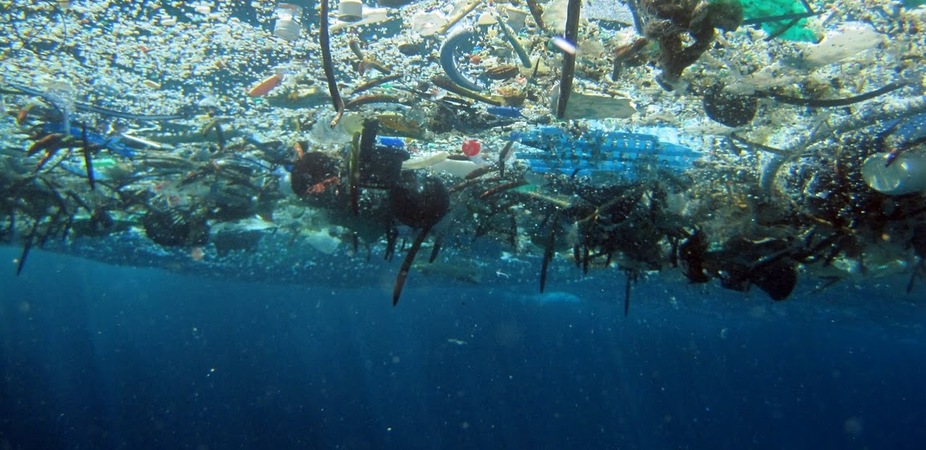
Here’s a sobering thought: There will be more tonnage of plastic than fish in the world’s oceans by 2050 if we continue to produce, consume and dispose of plastic as we are now.

Think about the implications. In fact, some scientists estimate that a minimum of 5 trillion pieces of plastic weighing more than 250,000 tons are floating in our oceans. That’s just the plastic that is floating. Another study from 2015 suggests that oceans now hold more than 4.8 million metric tons of plastic, much of which now rests on the sea floor. The most offensive item? Plastic bags. Approximately 500 billion plastic bags, or 150 per person on the planet, make their way into the waste stream. And those numbers are rising. They can take up to a 1,000 years to break down, and are often mistaken for jellyfish by a wide variety of marine species.

You don’t have to look far to find horrifying stories and gruesome pictures of dead whales, seabirds, turtles and other marine organisms with organs jammed full of plastic bags, containers, expanded polysterene products (Styrofoam™) and other human detritus. As many as 100,000 marine animals die from interactions with plastic, as do 1 million sea birds. It’s not hard to see that the more plastic that floods into oceans, the less healthy marine ecosystems become.

A recent study released last month by the World Economic Forum suggests a major re-think of how we produce, consume and reuse plastic items.

Here are some highlights:

  • More than 40 years since the recycling symbol appeared, we only recycle 14% of plastic produced today.
  • Every year up to $120 billion worth of plastic packaging material is lost to the economy as single-use plastic. Much of which ends up in our oceans.
  • UNEP suggests the cost of all of this packaging spilling into the environment at $40 billion.
  • 30% of plastic packaging (such as lids, straws, plastic tear offs, polysterene cups and to-go packages, etc.) will never be recycled and likely will continue to be loosed on the environment unless we significantly re-design and reconfigure them.
  • 20% of packaging can be reused as a result of new designs that replace single-use packaging for such items as cleaning and personal care products.
  • A retooling of the recycling system, including the design of packaging products and the materials could render the remaining 50% of plastic packaging products economically feasible for recycling. This is a big deal. To date, most recycling operations have been money-losing operations. This was certainly the case for the omnipresent plastic bags doled out at grocery stores. The Clean Air Council has estimated that recycling one ton of plastic bags costs $4,000. The recycled product can be sold for $32.
Microplastics are insidious because they’re hard to clean up, and they find their way into marine food webs, causing sickness and death. NOAA photo

It’s not just the big visible plastic bags, lids, floating polysterene etc. that may appear as food to some sea creatures, which ingest it then die of suffocation or starvation. It’s the tiny particles as well.

But truly addressing this problem is about people and their actions, not plastic.

Those microplastics that were once touted as the most efficient way to clean your bathtub or restore vitality to your cheeks? They hitchhike a ride through municipal water systems and into streams, rivers, lakes, marine estuaries and bays. Once there, they disperse and end up in seafood webs because they take a long time to break down.

In a study published last year in the Proceedings of the National Academy of Sciences, researchers found that filter feeders such as oysters, mussels, sea cucumbers and zooplankton are particularly vulnerable to the hazards of plastic.

The study focused on the impacts to oysters, which feed on the plastics they filter in. Researchers observed these oysters experienced drops in fertility, reproduction and larval development (some affected larva grew 18% smaller than healthy specimens).

Yes, the convenience of plastics have proved minor in the face of the mounting waste heap of trash floating, drifting or sinking in our oceans and the impact that has on seafood.

But truly addressing this problem is about people and their actions, not plastic. We first have to change our thinking on plastic so it is no longer  the daily, disposable necessity we take for granted. We need to think of it in terms of how to minimize global environmental impact. As such, I agree with the larger premise of the PNAS report that we should re-think how we manufacture, consume and recycle plastic to minimize production, and single-use products.

Similarly, I agree with one researcher’s  conclusion about ocean conservation. In a recent National Geographic op-ed piece, she writes “…ocean conservation is not about fish. It’s about people.”

She’s right. We have to change our attitudes about how we look at ocean conservation. I may not agree with her concept of zoning the ocean into areas that are and aren’t open to fishing as that would be very controversial and impractical on a global scale. But her approach to starting from the ground up, in this case, talking with local fishermen and using their input to manage the fishery, is essential to their buy-in. That investment in the outcome by the fishermen is crucial to the success of the fishery management and to the conservation of the resource.

Here are some additional resources:

  • National Geographic article on the volume of plastics in the ocean
  • National Geographic article on plastics and the great Pacific Garbage Patch.
  • Reuters story on using shrimp shells to make biodegradable plastic bags.
  • Statistics from Ocean Crusaders.
  • More statistics from Save the Bay.
  • Huffington Post graphic on how plastic enters marine ecosystems.

Top photo credit: NOAA
All Blog Posts

Fake News: Making Mountains Out Of The Pebble Mine

  • January 27, 2017October 20, 2021
  • by Colles Stowell
Share it!
Share

If there’s any question that money is directly tied to resource management, look no further than the Dakota Access Pipeline, Keystone XL pipeline and the Pebble Mine. Two of them were dormant for a while, and the first was on hold.

No longer.

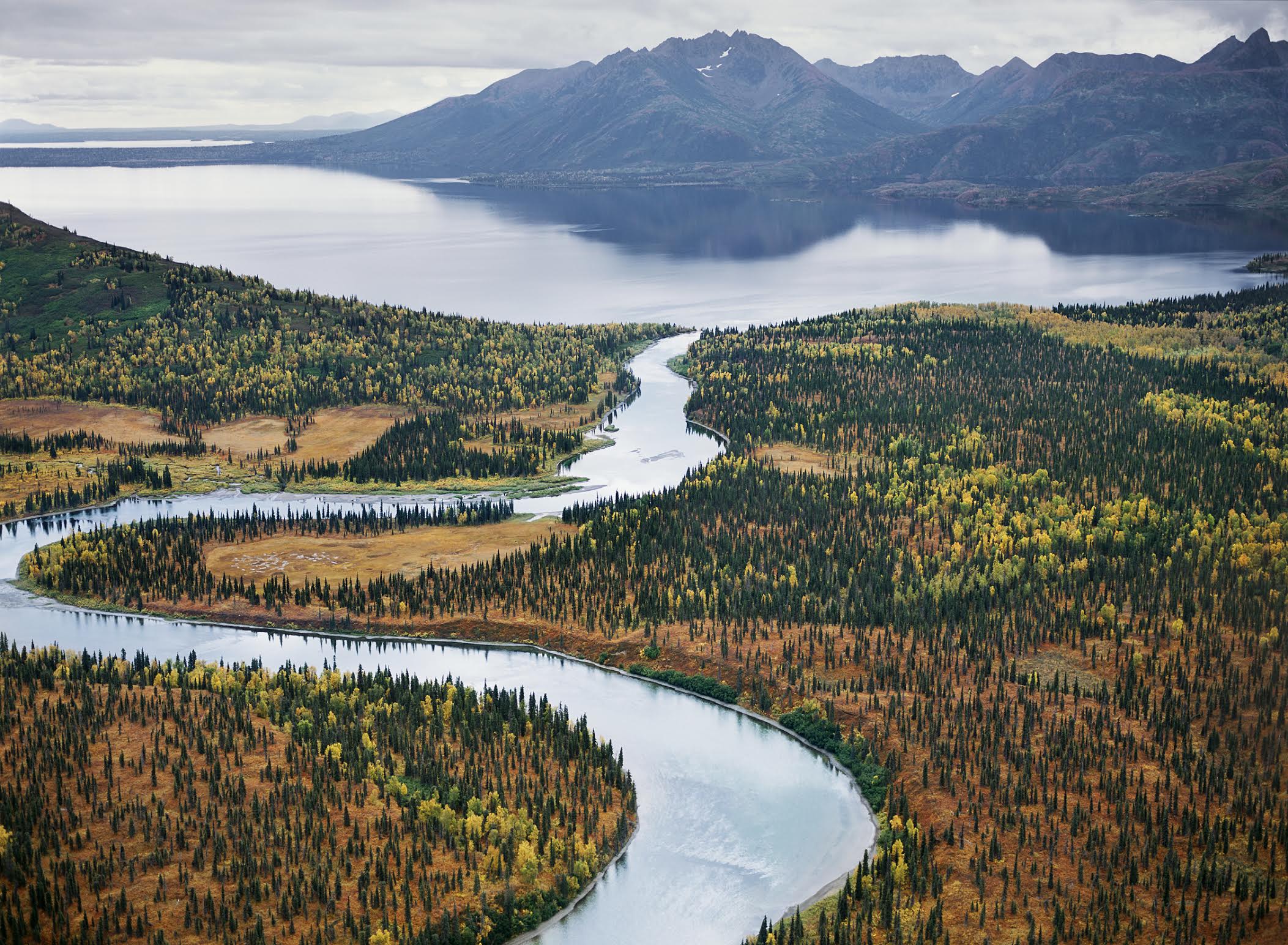
That the proposed Pebble Mine in Bristol Bay, Alaska has reared its ugly head again is both alarming and telling. It is alarming because the project, which had been on life support for years, directly threatens one of the world’s largest and last wild sockeye salmon runs. It is telling that the changing political climate has created an atmosphere more weighted toward corporate profits and against environmental protections.

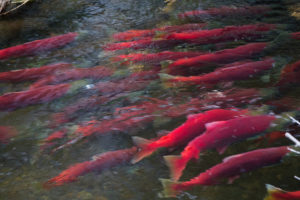
Sockeye approaching spawning beds. Photo: Bristol Bay Regional Seafood Development Authority

The massive copper and gold mine again became a discussion topic earlier this week when its sole investor, Northern Dynasty, claimed it expected to have its permitting issues resolved with the EPA by April, and that it was actively seeking an investor.

Northern Dynasty has been mired in three federal lawsuits aimed at handcuffing the EPA’s authority to reject the mine’s permit because the mine would violate protections in the Clean Water Act. In 2014, the EPA ruled the mine presents a potentially irreversible threat to the stability of the Bristol Bay watershed. At the moment, Northern Dynasty’s only on-site operations include geology tests and equipment storage.

Not surprisingly, three days after the new administration took office, Northern Dynasty’s CEO Ronald Thiessen said President Donald Trump’s administration has “a desire to permit Pebble.” He added, “We will come to a resolution within 100 days” with the U.S. Environmental Protection Agency.

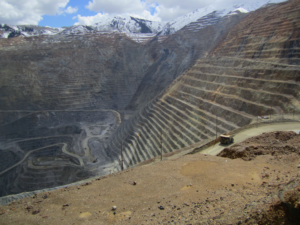
Copper mine in Utah run by Rio Tinto, which backed out of the Pebble Mine. If built, Pebble would be bigger than this. Photo: Deep Green Resistance

Opposition to the mine has been surprisingly universal from a broad range of user groups. That’s likely because Bristol Bay’s salmon population supports 14,000 full-time jobs and a $1.5 billion a year industry, according to federal and industry figures. In a rare instance, commercial and recreational fishermen are speaking with one voice: “Don’t destroy one of the last significant wild sockeye salmon populations!” Many of Alaska’s tribal leaders and several environmental groups have joined the chorus.

Is this Fake News?

That depends. To date I’ve seen no direct statement from the president saying he was going to drive the Pebble Mine through to operation. I’ve only seen Northern Dynasty say that.

If noted anti-resource attorney Scott Pruitt becomes head of the EPA, that could streamline federal permit approval, which accounts for a small number of significant permits.

That leaves the state of Alaska, which would have to issue more than 60 permits before the mine begins in earnest. And that won’t necessarily be an easy process for Northern Dynasty. An interesting political sea change has occurred in the past two years. Prior to the election the mine’s biggest opponent was the Obama administration and the EPA, while the Alaska state legislature was more supportive of the mine.

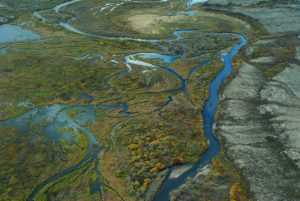
Photo: EPA

The tables flipped a bit in Nov. when the State House gained a bipartisan majority, with the Speaker of the House being from Bristol Bay. So while the federal administration appears to favor projects like the mine, the governor’s office and much of the legislature are signaling support for the state’s natural resources like salmon.

“Pebble doesn’t necessarily have an EPA problem,” says Sam Snyder, Trout Unlimited Alaska Engagement Director and a key figure in the fight against the mine. “But they have an Alaska problem. Sixty-five percent of Alaska residents in every precinct voted against it. Bristol Bay Tribes, villages and residents overwhelmingly oppose Pebble. Eventually this will also have to go through the state legislature.”

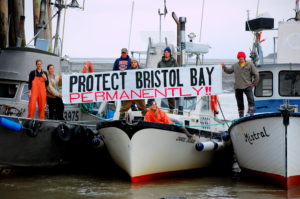
Photo: Seafood News

Here are some harsh realities that make the approval process a steep uphill climb for Northern Dynasty:

  • The political climate in Alaska has brought more scrutiny of the environmental risks of such a mine. The legislature recently put a 90-day delay on a routine permit to allow Northern Dynasty to maintain base operations (testing and equipment storage on site, etc.), because lawmakers wanted a closer look at impacts.
  • While there have been several reports about Northern Dynasty’s stock performance in the past few weeks since the Trump victory, there is context. Yes, the stock jumped nearly 300% in that time … from 75 cents to $2.89 on Jan. 26. That is a shell of the $22 stock price the company had in Feb. of 2011. It’s a penny stock.
  • Two major partners have backed away from the project because of widespread opposition and losses: Anglo American, PLC in 2013 and Rio Tinto in 2014.
  • In 2014, 65% of Alaskans approved a measure that would allow the legislature to ban mines lawmakers believe would harm wild salmon stocks. So a majority of Alaskans are skeptical.
  • That opposition continues. There is support for a new proposal to strengthen laws governing protection of fisheries habitats, which would have to be considered with any state permit for development that impacts salmon habitat.
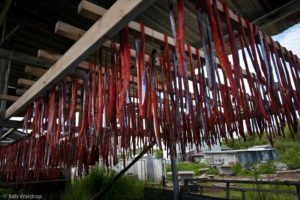
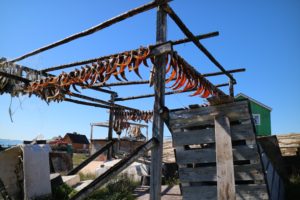
Sockeye drying. Photo: Bob Waldrop

What does this all mean? It means there are several roadblocks and years before the mine would have any chance of operation … if at all. Northern Dynasty would likely have to spend close to $200 million dollars just to secure all of the necessary permits. It would then need another several hundred million dollars to begin operations.

It also means that opposition must continue, within and without the state of Alaska, if opponents want to ensure the safety of the resource.

As the current mantra goes: wrong mine, wrong place.

Top photo credit: Robert Glenn Ketchum

Other resources:

Save Bristol Bay : Good resource for background and the mine’s impacts.

One Fish Blog: Further background

Homer News: Public comments on state fisheries protections.

Alaska Daily News OpEd: Wrong mine, wrong place.

All Blog Posts

Arctic Climate Change Could Have Irreversible Global Impact

  • December 21, 2016October 20, 2021
  • by Colles Stowell
Share it!
Share

Every time I read a story with dire predictions about climate change impacts I imagine a gong the size of a barn door sending a warning echo off the mountains in the distance.

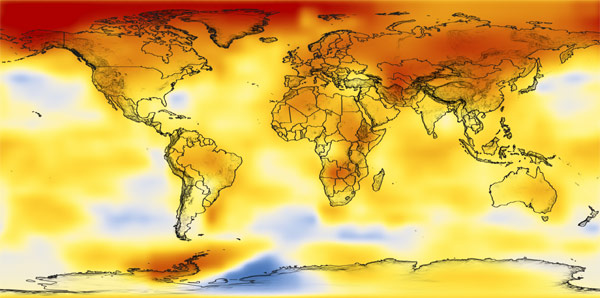
A team of scientists recently released a report stating that changes in the Arctic climate, everything from melting polar ice caps to warming waters and changing ocean salinity is happening faster than previously predicted. Currently, the atmospheric temperatures there are about 20 degrees Celsius warmer than normal and water temperatures are 4 degrees warmer than normal. The likelihood of no summer sea ice forming this century is very high.

Arctic tipping points

The Arctic Resilience Report states that all of this could push conditions in the Arctic toward 19 regime shifts or tipping points – climate situations that if reached, may prove to be irreversible. For example, the Greenland ice sheet is widely considered the Northern Hemisphere’s air conditioner. It is massive, nearly 1.1 million square miles, and it serves a critical role in keeping temperatures above the equator from getting too hot. This massive sheet of ice acts like a mirror, reflecting the sun’s powerful rays back into space and minimizing solar radiation warming.

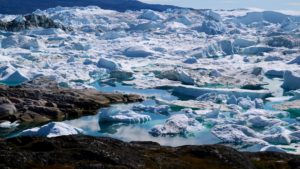
The melting Greenland ice sheet. Photo by Marcus Carson

But as global temperatures have risen, the ice sheet has become thinner and smaller, and as waters around the sheet have become warmer, they have accelerated melting. This creates a cycle in which the sheet’s shrinking could accelerate localized climate change, which could further accelerate the ice sheet’s shrinking. If the ice sheet disappears (which could take centuries), scientists predict it could cause global sea levels to rise by more than 20 feet.

This is just one of the 19 tipping points. Others include: Arctic sea ice loss, which would have some of the same effects as the melting of the Greenland ice sheet; changes in ocean salinity and current, which could spread warmer water faster than normal, with global implications; changes in land-based ecosystems that could release more greenhouse gases and reduce ice/snow reflectivity; and changes in Arctic snow patterns, which could also increase global ocean temperatures that effect climate patterns such as the monsoon season in Asia.

Fisheries impact

And then there is the impact on fisheries. The report cites manmade climate change (greenhouse gases, warming oceans, pollution, etc.) as well as other external factors like fishing pressure, as drivers for what could result in fisheries collapses in the Arctic. This could play out in a couple of different ways. First, a combination of warming water, shifting current, salinity and acidification could alter the vital nutrient upwellings that produce the plankton forage fish feed on. If the forage fish don’t thrive, neither do commercially important species like salmon, cod, pollock and shrimp. Couple that with continued fishing pressure, and you’ve got a recipe for collapse.

Climate change could cause fisheries collapse in the Arctic and elsewhere. Photo by Marcus Carson

The question is, how could fisheries collapse in the Arctic affect fisheries elsewhere?

This is no small question.

Complex challenges

So I asked Marcus Carson, one of the lead authors of the 218-page report. He talked about what we know and don’t know about how rapidly things are changing. “Often, when we see these things, it’s really hard to set in motion the processes we need to take them back,” he said from his home in Sweden.

“The challenge is the relational understanding. We understand the silos [warming oceans, ice melt, carbon storage in peat bogs, etc.] pretty well. What we’re lacking is how these connections in these really complex systems really work.”

Marcus Carson. Photo by Mark Tozer

For example, he mentioned that ocean acidification, the process by which the overall acidity of the ocean increases due to increased environmental carbon release, was not included as one of the tipping points in the report because scientists couldn’t pinpoint how it will behave in concert with other factors like salinity, temperature, current, etc. What scientists do know is that the rate of acidification in the Arctic has increased twice as high as almost anywhere on earth, and that acidification is generally higher in colder water.

“What we don’t understand is the exact relation between climate change and ocean acidification where fisheries are involved,” he said. Many species follow temperature, which is the case with some species here in the Gulf of Maine. For example, as waters have warmed off Long Island Sound, lobsters have pushed north and east, and there is no sustainable lobster fishery there anymore.

We also know as we dump more carbon into the atmosphere and put more chemicals into our estuaries, the acidity goes up. But as Carson said, we don’t yet know how changes in acidification from these types of drivers will work in concert with temperature, salinity, current to affect marine food webs. Species that are more tolerant of some or all of these drivers will likely thrive more in a changing Arctic climate than others.

We need to better understand how all climate change factors could affect entire food webs. Photo by Mark Tozer

“There may be some biological variability that might get species competing with each other moving into the same space,” he said.

When it comes to impact on climate change in the Arctic affecting fisheries there and elsewhere, we still have to take a broad view. There will undoubtedly be an impact, especially when considering how currents will channel warmer, denser water globally.

A global climate

“There’s a saying around the working groups of the Arctic Council. ‘What happens in the Arctic doesn’t stay there.’ A lot of changes beyond seasonal fluctuations aren’t generated there. They start outside the Arctic, and get in there,” he said. And the changes in the Arctic may have global impacts.

“The implication with these 19 potential shifts … is that when these things start interacting with one another, the concern is that we could be setting forces in motion that are wildly out of our control,” he said.

The cycle continues. Melting ice sheet allows more solar rays to warm oceans and atmosphere, accelerating ice melt. Photo by Marcus Carson

Not surprisingly, almost every response option cited in the report for the 19 tipping points calls for some form of reducing global greenhouse gases and shifting toward renewable energy.

This is the same message a majority of scientists have been saying in ever growing numbers and volume. However, the incoming administration has virtually declared war on climate change science.

Asked about threats to defund NASA’s climate science regimen, Carson used the analogy of “tearing the instrument panel out of your plane while in flight. It’s like you want to poke our eyes out while we’re heading into these big changes.”

Indeed.

That gong is getting louder. Do you hear it?


All Blog Posts

Latest Gulf of Mexico Oil Spill Raises More Flags

  • May 20, 2016October 20, 2021
  • by Colles Stowell
Share it!
Share

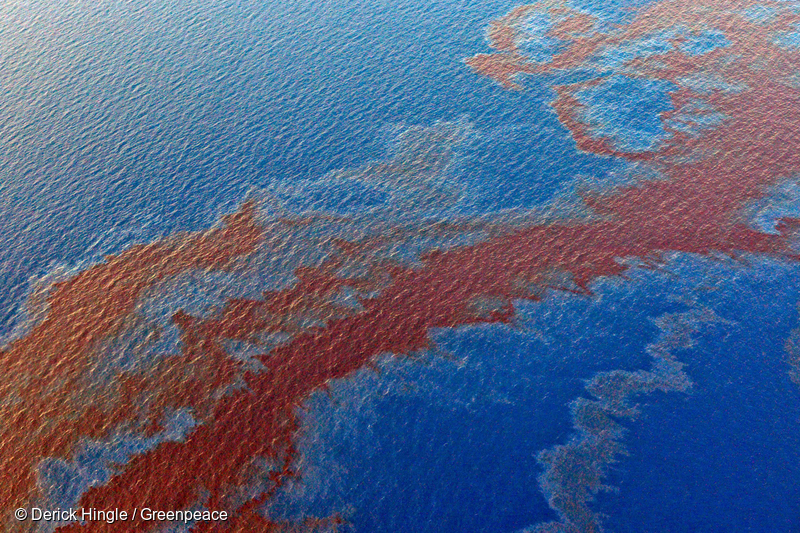
Here we go again. Another giant oil company is responsible for another oil spill in the Gulf of Mexico. Last week, a pipeline owned by Shell Oil sprung a leak, releasing nearly 90,000 gallons of oil that spread out in a slick the size of Manhattan more than 90 miles off the coast of Louisiana.

To be sure, this incident is much smaller than the Deepwater Horizon disaster in 2010, when a BP-owned oil rig caught fire, killing 11 workers and dumping more than 3 million barrels of oil into the Gulf. That disaster, and the downstream environmental, ecosystem and economic impacts it continues to wreak on the region, still qualifies as the largest manmade disaster of its kind in the U.S.

This latest release from Shell is no trifling matter. Shell says it has stopped the leak and shut off flow to the other wells the flow line connected. The Coast Guard deployed five ships and 150 people to place booms in the water to collect the oil/water mixture. The process of skimming the oil is similar to a vacuum cleaner for water, where the booms collect the mixture. Then the oil and water is likely separated, with the water returned to the gulf.

The Coast Guard announced Monday that it had completed the skimming operation, after collecting about 84,000 gallons of oil and water. So as is bound to happen, some of the oil remains in the ecosystem. The question is how much of a direct impact it will have. Some of the oil, which is light, sweet crude oil, will likely evaporate, and some will be consumed by bacteria, according to Tulane Professor Eric Smith.

Since the BP spill, there have been a variety of damning reports about how the oil and the many toxic dispersants released to “control” the situation have effected fish, shellfish and plants. The list includes everything from widely reported deaths of dolphins (up to 1,400 according to NOAA) and countless seabirds such as cormorants and pelicans to damage to juvenile tuna cardiovascular systems.

When I visited Venice, La. last November, I was struck by how much visible infrastructure there is along the Mississippi River delta and out in the Gulf. It looked like more than I could remember from my last time there, some 30 years ago. But what I later learned was the scope of the subsea infrastructure, the network to transport all of that oil and natural gas from the offshore rigs to the mainland. Some satellite overlays make the network look like a very tight, and complex cobweb.

The Shell leak apparently occurred on a transport line near a subsea terminal. And it will likely be awhile before there is any conclusive statement of cause. According to the federal Bureau of Safety and Environmental Enforcement, there have been 147 spills, releasing about 516,000 gallons of oil in the gulf since 2012.

So I have to wonder. With some 31,000 miles of pipeline (some of it installed 60 years ago) sprawled out on the ocean floor, what’s its lifespan? That is, do we really know enough to ensure such failures won’t happen again?

These are the questions I have when we get a reminder like this that placing such infrastructure near critical wildlife habitat has consequences. We can’t just rely on booms, bacteria and sun evaporation to keep cleaning up our messes. The Gulf is still recovering from the last time we relied on those approaches.


photo credit: Derick Hingle/Greenpeace

All Blog Posts

Climatologist Sees Climate Change as Innovation Opportunity

  • April 11, 2016October 20, 2021
  • by Colles Stowell
Share it!
Share

Cameron Wake is used to being called “Dr. Doom.” He’s an ice core paleoclimatologist at the University of New Hampshire who’s been studying glaciers and their behavior for more than 30 years. He’s been on the forefront of some of the leading research into climate change, much of which now predicts more than six feet of sea level rise by 2100. That’s not fully accounting for the possible 20-25 additional feet of higher water if all of the earth’s glaciers melt.

So naturally, he does his best to be optimistic.

“Climate change is the innovation opportunity of the 21st century,” he says, whether at a climate summit hosted by MIT Seagrant in 2014, or at an intimate gathering of 200 in Portsmouth, N.H. on March 28. Even though the range of possible sea level rise jumped 2.6 feet from 2014 to 2016, his insistence on the opportunity angle echoes some of the enthusiasm born of the global climate accord reached in Paris in December.

“Climate changes,” he said. “It always has and it always will. The biggest difference today is that there is an extensive and ever-growing body of scientific evidence that shows that humans are the main driver of that change.”

But, we have time to avoid some of the darkest “Dr. Doom” predictions … if we act now, and decisively, he said.

There is an interesting dialectic at play with climate change that can be a bit challenging to grasp. At the Maine Fisherman’s forum last month, NOAA’s John Hare made a striking comment: “Climate change has a long memory.” The next 25-50 years of climate change are already fixed based on what we’ve done up until now. However, the steps we take now to reduce greenhouse gases, widely accepted as the leading culprit causing global warming, will affect our climate after 50 years or so.

In Portsmouth, Wake described why studying the different strata of glaciers yields so much information about what the climate has done in the past. “Glaciers are great archives,” he said. “We can look at oxygen isotopes to see what has happened.” One fairly constant measure is that when CO2 levels are high, the temperatures are higher, when they are low, temperatures are low.

Wake put some of the need to act immediately and globally in context with some recent data:

  • Within the past 18,000 years, massive ice sheets that once covered North America and Northern Europe have melted;
  • To slow long-term climate change effects, we need to keep global CO2 at 400 parts per million. We are now on a path toward 1,000 parts per million;
  • Arctic sea ice is the air conditioner for the northern hemisphere, reflecting UV rays back into the atmosphere. If that ice melts, it will lead to warming of the atmosphere and the oceans, accelerating global warming;
  • We’ve seen a significant reduction in Arctic sea ice in the summer since 1975. Sea ice is likely going to disappear in the Arctic Ocean this summer;
  • The rate of the Greenland ice sheet moving toward the ocean where it melts has doubled in the past decade. One particular glacier, the size of Mount Washington in N.H., has doubled its rate toward the Atlantic;
  • We may not fully understand the physics of glacial movement and melting in light of global warming for another decade;
  • There will be no shortage of fresh water in New England. The number of rain events in Southern N.H. with more than four inches in 48 hours is projected to jump from four between 1980-2009 to nearly 12 between 2070 to 2099. This means we’ll have more water falling in fewer events, making coastal and flood plain areas more vulnerable;
  • “It’s a challenge to talk about future on climate because we don’t know what humans are going to do,” said Wake, explaining why climatologists now use two scenarios representing high and low carbon emissions. While there is little variability between the two scenarios until 2050 because the pattern is locked, potential temperature ranges for New Hampshire vary widely afterward. If we drastically cut greenhouse gases, the average number of summer days hotter than 90 degrees Fahrenheit would be 20-25. If we continue on our current path of greenhouse gas emissions, New Hampshire could experience 50-60 days above 90 degrees;

“We can’t wait until 2050 or 2080 to address this challenge,” he said. “We won’t have enough money in one year to adapt. We need to keep checking back in with the science. Where there is little tolerance for risk, communities should commit to 4 feet of sea level of rise, but be flexible to manage to 6.6 feet.”

Solutions

To begin with, we need to at least meet the emissions goals set at the Paris accord. It was a significant achievement to get nearly 200 nations to commit to do something to reduce carbon emissions, with a goal of limiting global temperature increase to 2 degrees Celsius (3.5 degrees Fahrenheit) by 2100. But even with those commitments, we’d only keep the global temperature rise to 3 degrees Celsius, many scientists say. We have to get the largest polluters, China, the U.S., India and other countries to cut more.

“We must decouple economic growth from greenhouse emissions,” said Wake. That means leaving a lot of fossil fuels in the ground. To prevent global temperature increases of more than 2 degrees Celsius, we must not burn 82% of the coal, 49% of the gas and 33% of the oil global reserves. We also need to increase annual global renewable energy investments to at least $1 trillion, he said. That kind of investment will likely yield innovations that make renewable energy more affordable and accessible on a global scale.

Most importantly, he said, we need to make personal commitments to reduce our carbon footprints. “I think every home should be its own powerhouse,” he said. Solar panels, efficient heating systems, better insulation, efficient windows, etc. are all some of the ways to reduce the carbon footprint of our homes.

“Think about what you can do. Your family. Your community.”

Resources

 Cameron Wake’s slide presentation in Portsmouth

Chasing ice: Incredible video of largest ice calving event (Ilulissat Glacier, Greenland) ever captured on film.

New York Times article on new research showing how quickly the West Antarctic ice sheet could melt

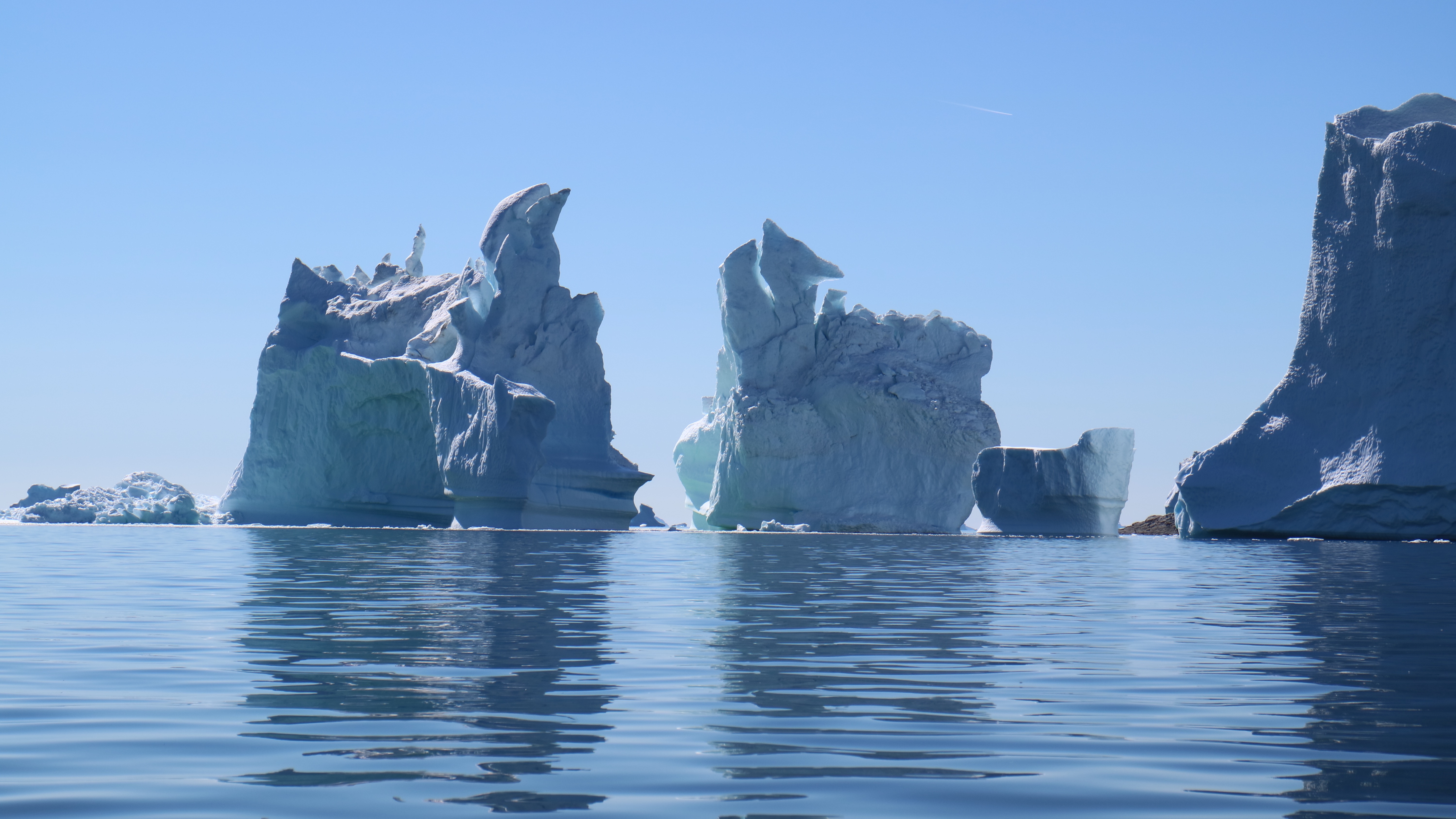
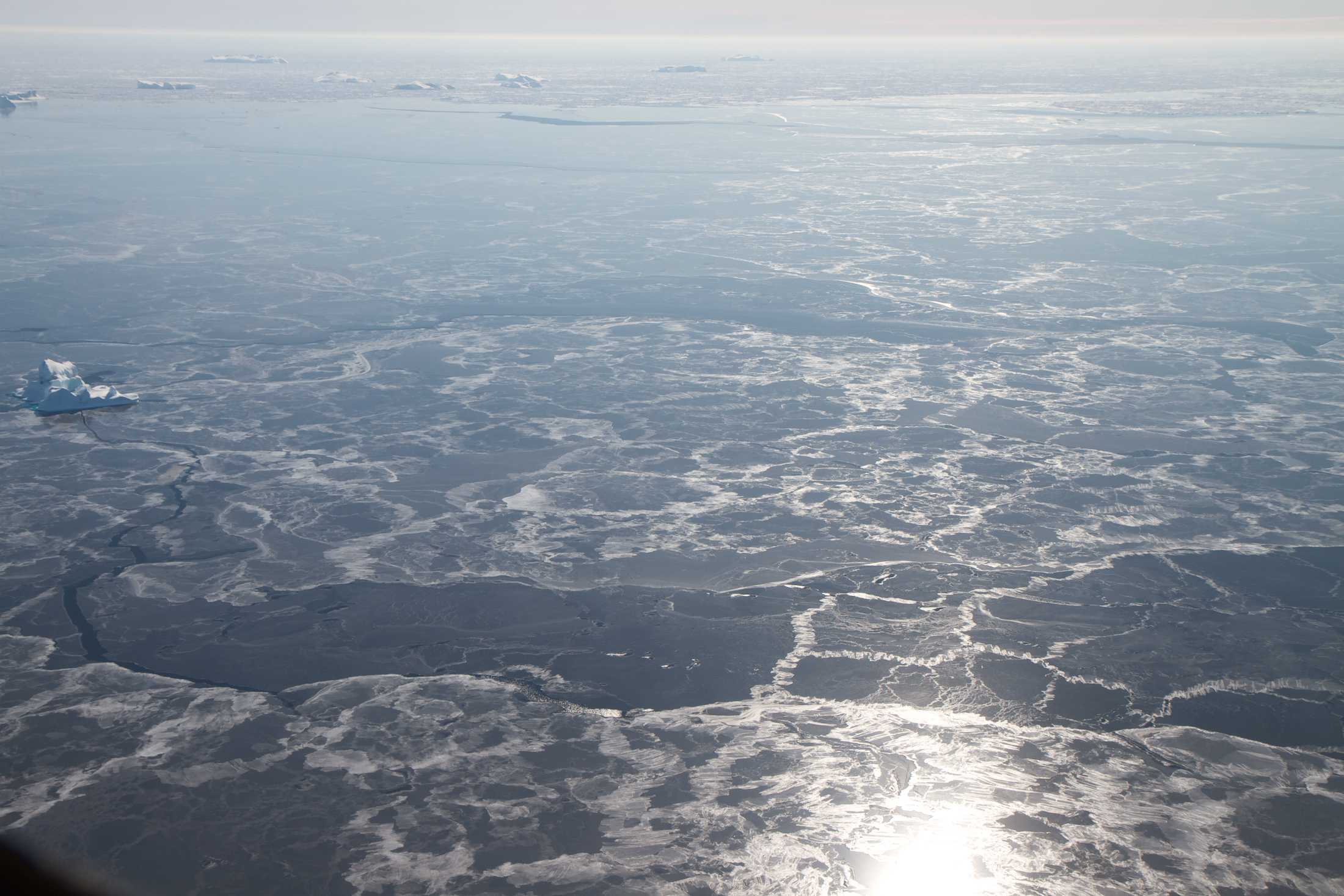
photo: Thin sea ice and a few floating ice bergs near the Denmark Strait off of eastern Greenland. Credit: NASA/Jefferson Beck

All Blog Posts

Slow Fish Rises to the Challenge

  • March 22, 2016October 20, 2021
  • by Colles Stowell
Share it!
Share

To say Slow Fish 2016 (March 10-13) in New Orleans was a success is an understatement. Overcoming last-minute weather challenges that shut down the planned venue, moving several thousand pounds of food around and getting people to deliver and attend informative, compelling presentations at three different, distinct venues was a stroke of genius from the event organizers and their motivated team. Here is the blog I wrote about the experience. 

It’s a surreal, if a bit funny experience to eat oysters surrounded by larger-than-life representations of male and female anatomy. Kind of a Harold-Robbins-meets-Jules-Verne aura.

How a bunch of fishermen, chefs, scientists and seafood activists from around the world ended up in a dilapidated warehouse surrounded by lewdly, yet very craftily decorated Mardi Gras floats for the Krewe du Vieux (pronounced “croo du voo” and which pulls no punches lambasting anything/anyone political or sexual) is a study in adaptation.

We had gathered for the Slow Fish 2016 event in New Orleans to discuss important fisheries issues, make connections and celebrate locally caught, fresh and delicious seafood. Naturally, intense Louisiana spring weather turned carefully planned scheduling on its head with impending violent thunderstorms and potential flooding. Not one hour into the 150-person event at the Old US Mint, the state called for emergency evacuations and closed our base of operations for the next three days.

Krewe du Vieux warehouse, where Slow Fish 2016 attendees got an eyeful in New Orleans.
Krewe du Vieux warehouse, where Slow Fish 2016 attendees got an eyeful.

So instead of celebrating the gathering on the grounds of a historic building, we found ourselves feasting on pompano and sea bass in the shadows of papier-mâché sex. Ironically, that kind of mandatory last-minute logistical two-step closely parallels the rapid fire challenges many family fishermen face, constantly having to adapt to ever-shifting polices, seafood markets, climate, etc. beyond their control. We banned together at Slow Fish to pull it off, perhaps serving as proof that collaboration and flexibility are critical to addressing broader policy and market challenges ahead. That was the first of several truly unique experiences at Slow Fish 2016.

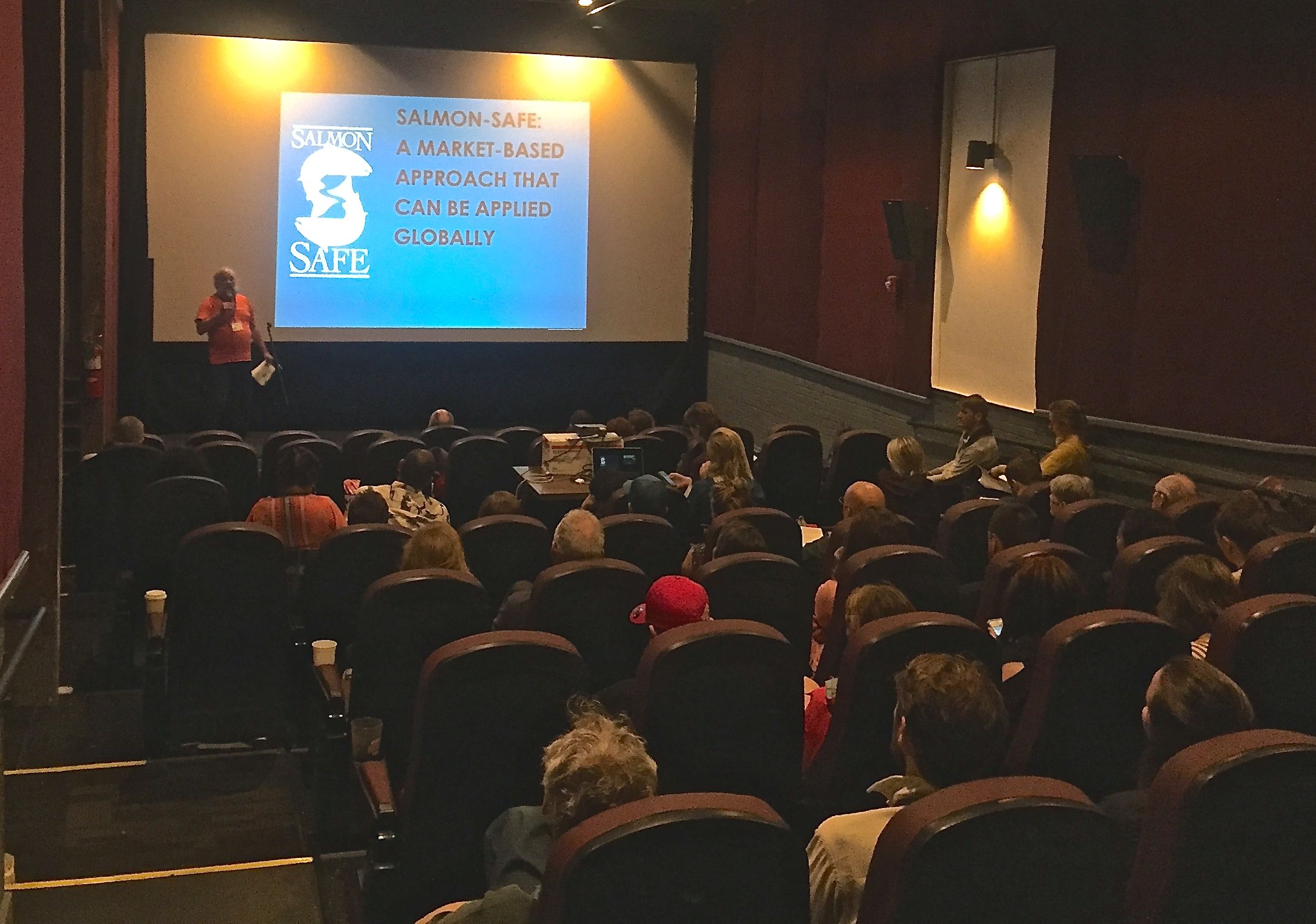
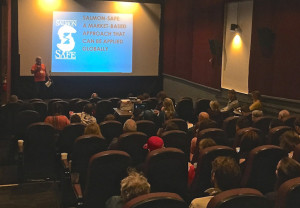
The next was the following day at the quirky Broad Theater in Mid City, a neighborhood at the heart of New Orleans. There, fishermen ranging from Alaska to California, and from Louisiana to Maine shared stories about their watersheds, community-based fisheries traditions and the management policies changing the landscape of how, when and where they can fish.Kevin Scribner discusses Salmon Safe's success.

Kevin Scribner highlights Salmon Safe's success.
Kevin Scribner highlights Salmon Safe’s success.

They discussed challenges such as privatization and resource allocation, biodiversity, policy impacts and ways to protect watersheds and fishing community heritage. Former Alaskan salmon fishermen and current Slow Fish board member Kevin Scribner described how the Salmon Safe program has worked with farmers, businesses and urban planners to reduce downstream impacts on native salmon habitat. This means the owners or tenants of more than 95,000 acres of agricultural and urban land (including the Nike campus, and several major farms) in three states and British Columbia have committed to reducing harmful nutrient and pollutant discharge into precious streams.

Kindra Arnesen spoke passionately about the challenges facing fishing families on the Mississippi River delta. She described her Herculean efforts to unite struggling fishermen after the BP oil disaster, first to get jobs helping with cleanup, then to challenge BP, the EPA, NOAA and other local, state and federal agencies on their methods of cleanup, cover-up and compensation. It was yet another story of adaptation and survival.

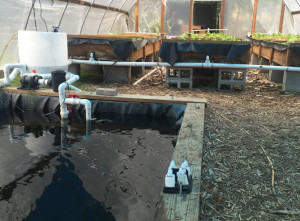
Happy Recirculating Farms Coalition catfish swimming in water filtered through lava rocks holding the lettuce in the background.

Other presenters discussed creating direct channels between fishermen, retailers and chefs to bring fresh seafood inland from the coast. Marianne Cufone, executive director of Recirculating Farms Coalition, showed the audience how a motivated team was able to start a clean, productive aquaponics operation right in a Central City neighborhood. Restaurants have already expressed interest in the fresh lettuce and catfish growing in recirculated water.

Set to the backdrop of compelling images, each story brought to life some of the common struggles many fishermen and coastal communities face, and some of the successful solutions to those challenges.

Alligator, shrimp and grits, down and dirty in New Orleans.

The adaptation of the Slow Fish 2016 continued Saturday at the Dryades Market, whose previous life had been a public school in Central City, another neighborhood steeped in diversity. Groups of concerned fishermen spoke about adequately addressing quotas and fairness issues and ways to promote local fisheries management. One common theme that emerged, perhaps prophetically, was the issue of adaptation.

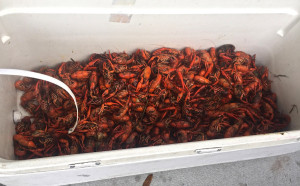
And of course crawfish. Deeper down, dirtier and delicious!
And of course, crawfish. Deeper down, dirtier and delicious!

Louisiana fishermen are constantly forced to adapt to changing ecosystem habitats, based on the chilling statistic that the coastline loses a football field of marsh every 45 minutes. Okanagan tribes have to adapt to the ebb and flow of wild sockeye migrating several hundred miles into incredibly diverse watersheds straddling the border between British Columbia and Washington state. Maine fishermen have to navigate the fluctuations in their fisheries due to the rapidly warming Gulf of Maine and the seemingly arbitrary nature of regional management.

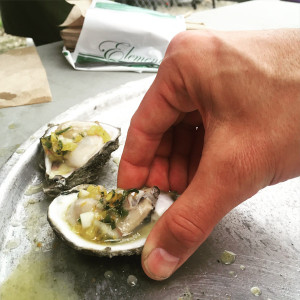
Two of about three hundred dozen oysters brought to the event.

Perhaps it was divinely appropriate that Mother Nature decided to throw a curveball and forced organizers to scramble. Because it is that instinct to go into auto pilot in the face of adversity and figure out a solution that determines success. For a Pacific salmon, that instinct to swim several hundred miles to its natal waters to spawn, die and give sustenance to its young is pure survival. For fishermen, it’s the ability to chase different available species when Nature or policy forces their hands. It’s in banding together to work toward a common cause to bring communities closer to their seafood.

Through all of the rain and high wind and last-minute venue changes, the shuttling of food from here to there…and back again, the audio-visual challenges, the taxis, carpools and long walks through a noisy French Quarter, Slow Fish 2016 attendees made connections. They found common ground. They discussed ways to organize, set goals and pursue them. They made friends.

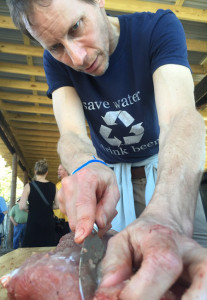
I learned some skills from Chef Zack Engel (chef de cuisine at Shaya Restaurant) and pit master Howard Conyers.

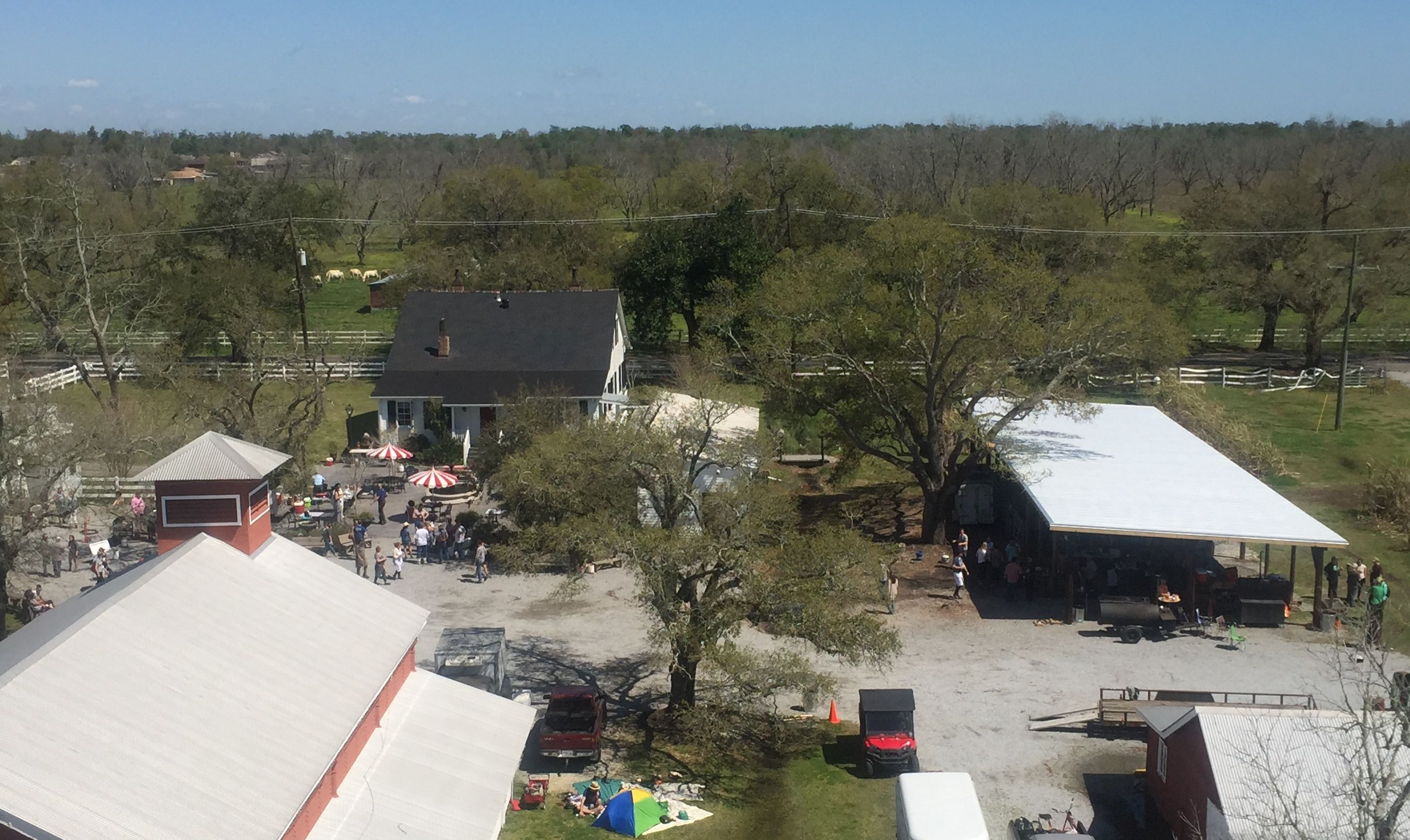
Perhaps the skies dawned on a warm,bluebird day on the tail end of the gathering at Docville Farm in Violet, La., a boucherie and seafood feast, as a reckoning of sorts. Adapt. Persevere. Hope. Something good will come out of it.

The memory of the food, the conversation, the energy and camaraderie will stay with all of us for a long time.


All Blog Posts

Changing Oceans, Changing Fishermen

  • March 6, 2016October 20, 2021
  • by Colles Stowell
Share it!
Share

Should fishermen be the face of climate change?

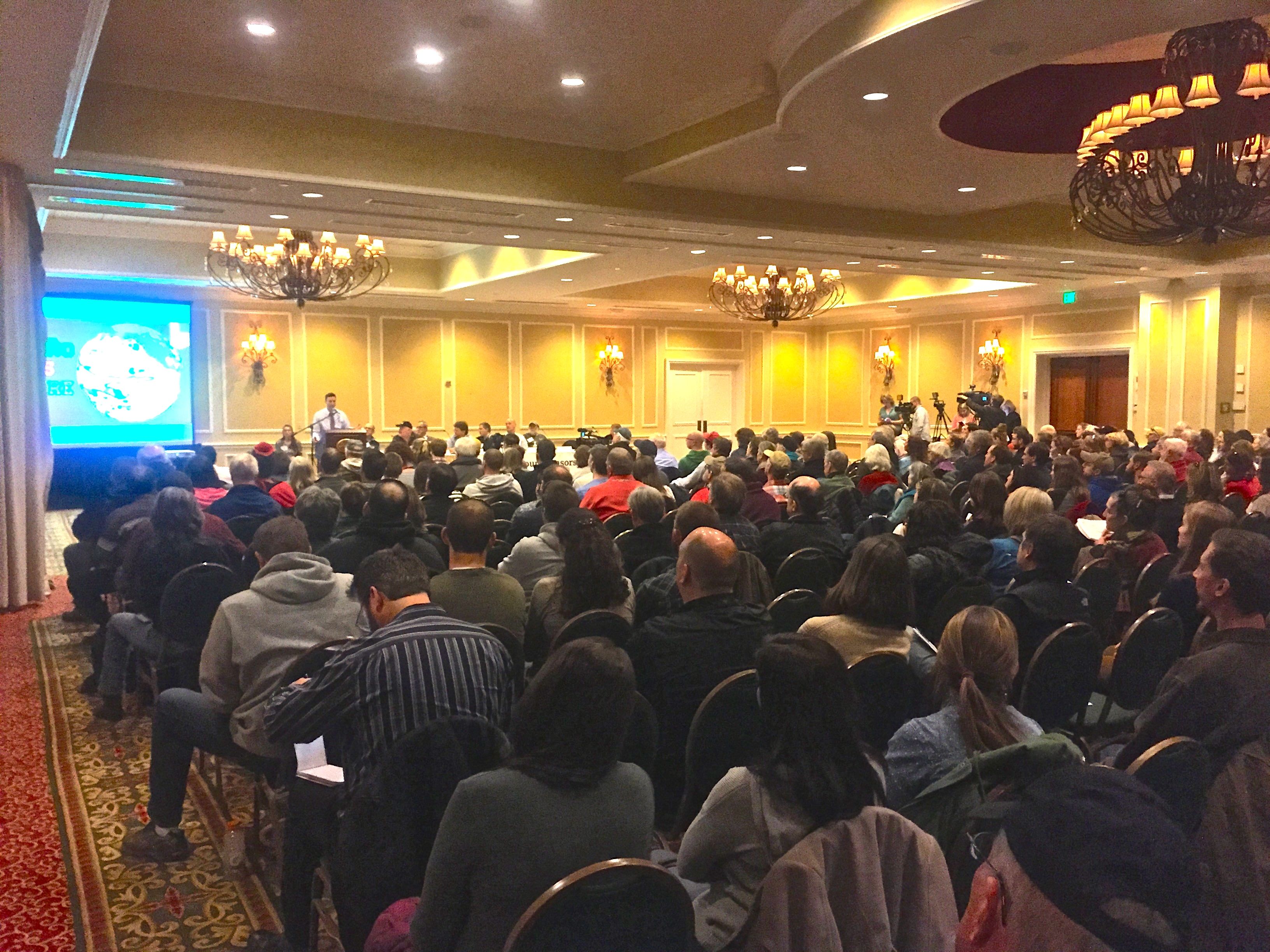
This was one of the more compelling questions posed at the Maine Fishermen’s Forum in Rockland on March 4.

It’s an interesting posit with many implications. For anyone in and around the industry, the answer is pretty straightforward. Fishermen are on the frontlines of how climate change impacts fisheries around the world. Along with researchers, fishermen are the first to see changes in everything from migratory patterns to spawning success and recruitment and predator/prey relationships.

Just ask Linda Williams. She is former chair of the Western Rock Lobster Council in Western Australia. Her husband and son fish for western rock lobster. She told a crowd of 300-400 that fishery has undergone mammoth changes in the past decade. Ten years ago, the average annual haul was 10 million kilograms, brought in by 600 boats during a roughly nine-month season. Now it is 5-6 million kilograms, brought in by 250 boats year round. The interesting catch? They are now logging record profits and working less.

So how did this happen? In 2009, lobstermen and researchers noticed a significant drop in the number of late larval stage lobsters in normal locations. Females were releasing eggs earlier than ever, which affected migratory patterns of the lobsters as they grew from larvae. The end result would be fewer lobsters caught in season and a downward spiral. This coincided with a warming trend of about 1-3 degrees Celsius over long-term summer averages, which also coincided with changing currents along the Western Australia coast.

Seeing the potential for disaster, lobstermen, scientists and policy makers worked together to form a quota system based on predictive analyses of future harvests determined by current larval settlement (the numbers and location of late larval stage lobsters). The industry anticipates how changing water temperatures and shifting currents will affect harvest 3-4 years in advance. Now the fishery operates profitably, even as the oceans are warming around them.

That kind of adaptation was the theme from other commercial fishermen. John Mellor fishes for Dungeness crabs and sablefish (black cod) off California. He sensed trouble in the water a year ago, noticing a milky, bluish hue and seeing big schools of anchovies flopping around the surface gasping for air. The culprit was algal blooms sucking up too much oxygen and releasing high concentrations of domoic acid (a neurotoxin) along the West Coast. California’s witness to climate change has coincided with this year’s El Nino, which extended a three-year period of lower than average storm and wind activity that would otherwise mix up the currents and slow the progress of algal blooms and the resulting red tides.

Filter feeders like clams, mussels and worms absorb the neurotoxin, and the crabs eat them, posing a threat to human health. Mellor explained the devastation to the industry when shortly before this season was to begin, California shut down the fishery indefinitely. Crabs represent 2/3 of his income, and he said he was fortunate to have a sablefish permit just to keep operating. Many fishermen are facing foreclosure etc.

“I see you enjoying your lobster fishery,” he said to the audience. “I suggest you keep an eye on the water. If you see it start to change a milky blue, be prepared.” He said fishermen need to adapt as quickly as the oceans are changing to survive.

Keith Colburn, who fishes Alaska king crab and has appeared on the TV show “The Deadliest Catch,” said in 30 years on the water, the most dramatic weather and water changes have occurred in the last 15 years, including the three coldest years and the three warmest years in Alaska. He said 20 years ago, they might have one storm that registers 50-knot winds per year. Now they may have 10-15 storms of that magnitude.

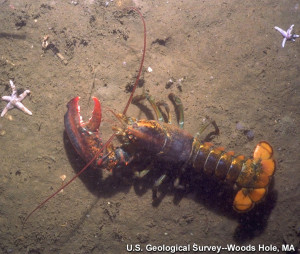
Noting the migration of the lobster fishery out of Long Island South and north of Cape Cod, he said somewhat jokingly, “If I was a Maine lobsterman, I’d be thinking about getting a Canadian passport soon. Each of you came out here to discuss a topic no one wants to think about. But we need to think about it.”lobster

A fisherman from Point Judith, R.I. noted that their lobster fishery has been devastated by black sea bass (a mid-Atlantic species following warming waters north along the coast) and dogfish devouring larval lobsters. As regional waters warmed, more of these predators invaded the region and outnumbered the lobsters and other local species. The local fleet dropped from 150 boats 10 years ago to zero now, by his reckoning.

Scientists keep ringing the alarm bell

Scientists on the front edge of the latest climate research such as John Hare of NOAA and Andy Pershing of Gulf of Maine Research Institute highlighted just how much the water has warmed in the Gulf of Maine and how much that has impacted several native species.

Pershing noted how the Gulf of Maine is warming faster than 99% of the oceans on the planet at a rate of .23 degrees C or .4 degrees F per year, almost four times faster than anywhere else. He said because of the record warmth of the past several months allowing to El Nino, normal current variability and the recent warming trend, lobstermen could expect this year’s shed (when lobsters shed their shells) to happen anywhere from two to three weeks before the usual timeframe of the first week in July. That kind of predictability helps lobstermen at least have some idea of when their season will be most productive and profitable and plan ahead.

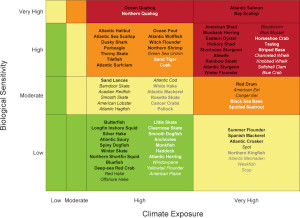
John Hare discussed his recent research methodology, which helps scientists, fishermen and policy makers better predict how climate change will impact growth and migratory patterns of 82 Northeast species. He said 42% of those species have a very high potential vulnerability to climate change, while 50% are likely to change their distribution because of warming waters. (See chart below).

Overall climate vulnerability is denoted by color: low (green), moderate (yellow), high (orange), and very high (red). Certainty in score is denoted by text font and text color: very high certainty (>95%, black, bold font), high certainty (90–95%, black, italic font), moderate certainty (66–90%, white or gray, bold font), low certainty (<66%, white or gray, italic font). Source: Hare et al (2016)

“Warming oceans and acidification are posing a significant threat to fisheries,” Hare said. “I firmly believe we can only face these changes together.”

Which brings us back to the original question posed by chef and author Barton Seaver. He asked if fishermen could be the voice of social change at a time when politicians and scientists are often seen as bloviating by those who deny climate change exists. Perhaps fishermen, whose lives depend on the weather, could deliver a broad enough, “Everyman” appeal to spark a larger movement to minimize greenhouse gases, slow global warming and better manage the health of our oceans. Colburn, the Alaskan king crab fisherman responded, “Being that fishing is America’s oldest job, I think as fishermen we could ban together, we could start to change our patterns.”

But perhaps the question isn’t so much should fishermen be the face of climate change, but will they? As Colburn said, “A lot of fishermen want to believe that the environment is not changing.” So, getting them to sound an alarm may be a tough ask. But as the ranks of those fishermen pushed to the brink swell, like California’s Mellor, or those that found a way to adapt, like Western Australia’s Murray, perhaps there will be enough momentum for a unified voice, as Seaver suggested.

Forums like this one, uniting scientists and fishermen to understand how things are changing and how quickly they’re changing, and to work together to figure out how to adapt are significant starting blocks. And if you can get policy makers, such as John Bullard, Northeast Regional Administrator for NOAA Fisheries, to not only attend such meetings, but state publicly that we need to do something about climate change (as he did here), perhaps there is enough accountability and unity in place for us to do something to protect the climate collectively.

If we can get all of these stakeholders at the same table, working together, as John Hare suggested, we can do better adapting to how rapidly the oceans are changing, and maybe even limit the long-term damage. Doing so would help us better deliver on the Slow Food promise of good, clean, accessible and fair seafood for all.

As consumers grappling with the implications of global warming on the seafood we eat, we should understand that “eating within the ecosystem” is now more important than ever. That is, we should eat what is locally available, sustainably harvested and seasonal. Choosing “invasive” black sea bass here in Maine rather than big name species facing multiple stresses — including climate — is a step in the right direction.


Additional reading

 Check out this column by Bren Smith, a commercial fisherman who adapted to the changing climate by embracing the “eating within the ecosystem” philosophy.


All Blog Posts

Oceans Rising Faster Now Than In Past 3,000 Years

  • February 24, 2016October 20, 2021
  • by Colles Stowell
Share it!
Share

I wonder if there will ever be a tipping point for climate change deniers. That is, I wonder if a critical mass of scientific evidence suggesting man-made greenhouse gas emissions could ever sway even some of the most outspoken critics of climate change.

Perhaps not.

But as scientific methods become more exact, the scope and depth of research more extensive, and the conclusions of experts around the world more universal, denial becomes harder, and more futile.

New research released Monday suggests that not only have oceans risen over the past roughly 3,000 years, but that seas have risen faster in the 20th century than in the previous 27 centuries. Moreover, this century’s global sea level rise is largely due to anthropogenic greenhouse gas emissions, studies say. In effect, the research highlights just how much we have contributed to global warming and global sea level rise above normal fluctuations.

For example, one study, published in the journal Proceedings of the National Academy of Sciences, points to a strong link between global temperatures and sea levels. The study suggests sea levels would have risen by as much as 7 centimeters in the 20th century without global warming, reflecting the “typical” fluctuations that occur naturally. With global warming caused by man, scientists suggested global sea levels have risen by twice that much or 14 centimeters.

That may not sound like much, but when you account for oceans rising at a current rate of about a foot a century, several coastal communities are already imperiled. If seas rise by as much as four feet by 2100, as many scientists have predicted, communities like Miami, Charleston, S.C. and New Orleans could be under water.

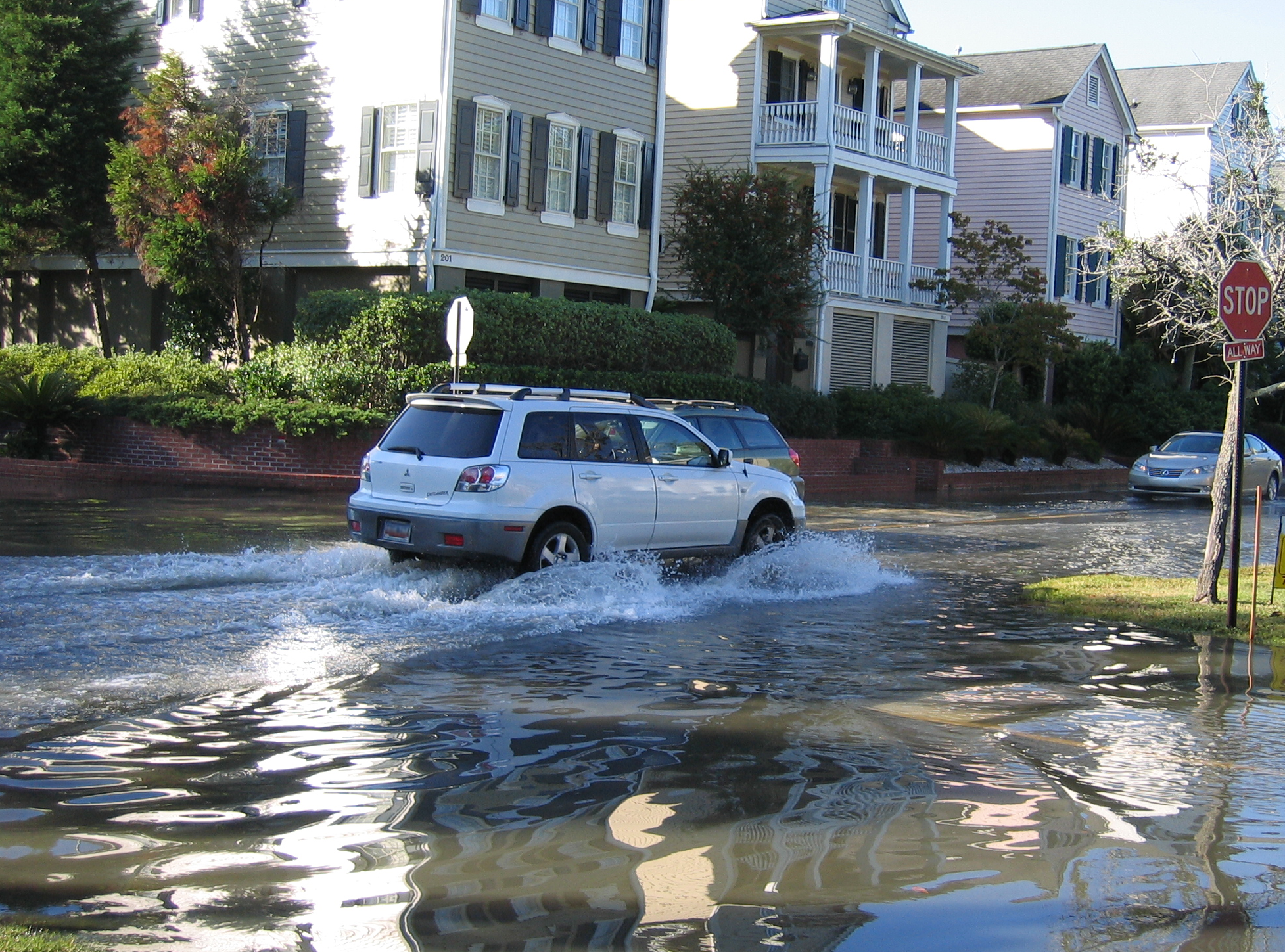
Another study issued Monday, highlights how steadily rising waters have already affected coastal communities, and how much of that is attributable to greenhouse emissions. Scientists used data from instruments called tide gauges, which measure flooding based on above normal water levels in coastal communities around the country. They found that about two thirds of the nuisance flood days (days when waters flooded streets, clogged storm drains etc., but not catastrophic flooding) since 1950 have been caused by man-made emissions. More specifically, researchers found the greatest increase in the number of flood days occurred between 2005 and 2014.

For example, the number of flood days in Wilmington, N.C. jumped from 14 in the 1955-1964 decade to 376 in the last decade of 2005-2014. Researchers attributed 308 days, or more than 80% of those days to human-caused climate change. The researchers also suggested that trend of “nuisance flooding” where low-lying coastal communities experience flooded roads, dying grass, over-taxed infrastructure from high tides amplified by rising oceans will continue, costing billions of dollars in damage and pushing some communities further into danger.

Over time, this kind of flooding also dramatically changes coastal habitat for seafood, forcing many species to relocate, which in turn affects local fishermen as well.

So I wonder how high the pile of scientific and economic evidence needs to get to start changing some of the skeptics’ minds.

Perhaps it won’t happen until they’re flooded with it.


Photo: car driving through flooded street in Charleston, S.C.  credit: NOAA
All Blog Posts

When the Levee Breaks, Sugar

  • February 13, 2016October 20, 2021
  • by Colles Stowell
Share it!
Share

UPDATE 02/16/16: The U.S. Army Corps of Engineers plans to release water this week from Lake Okeechobee south to Everglades National Park, where it is badly needed. Doing so will alleviate the burst of polluted fresh water released into the Caloosahatchee and St. Lucie rivers and slow some of the negative impacts already taking place in those estuaries. The Everglades has been drier than normal for several years, and the fresh water influx will help balance the salinity levels to restore marsh areas. The water would pass through a reservoir south of the lake, where it will be purged of some of the unwanted nutrients from the lake.


In case you haven’t heard, Lake Okeechobee is rising. El Niño has spanked several areas in the U.S. with higher-than-average rainfall, and the second largest freshwater lake in the lower 48 states is now at 16 feet. Its average depth is between 10 and 12 feet. Officials with the U.S. Army Corps of Engineers and the South Florida Water Management District worried the 32-foot tall, 143-mile levee surrounding the lake could fail if any more rain fell. Ironically, this is “the dry season.”

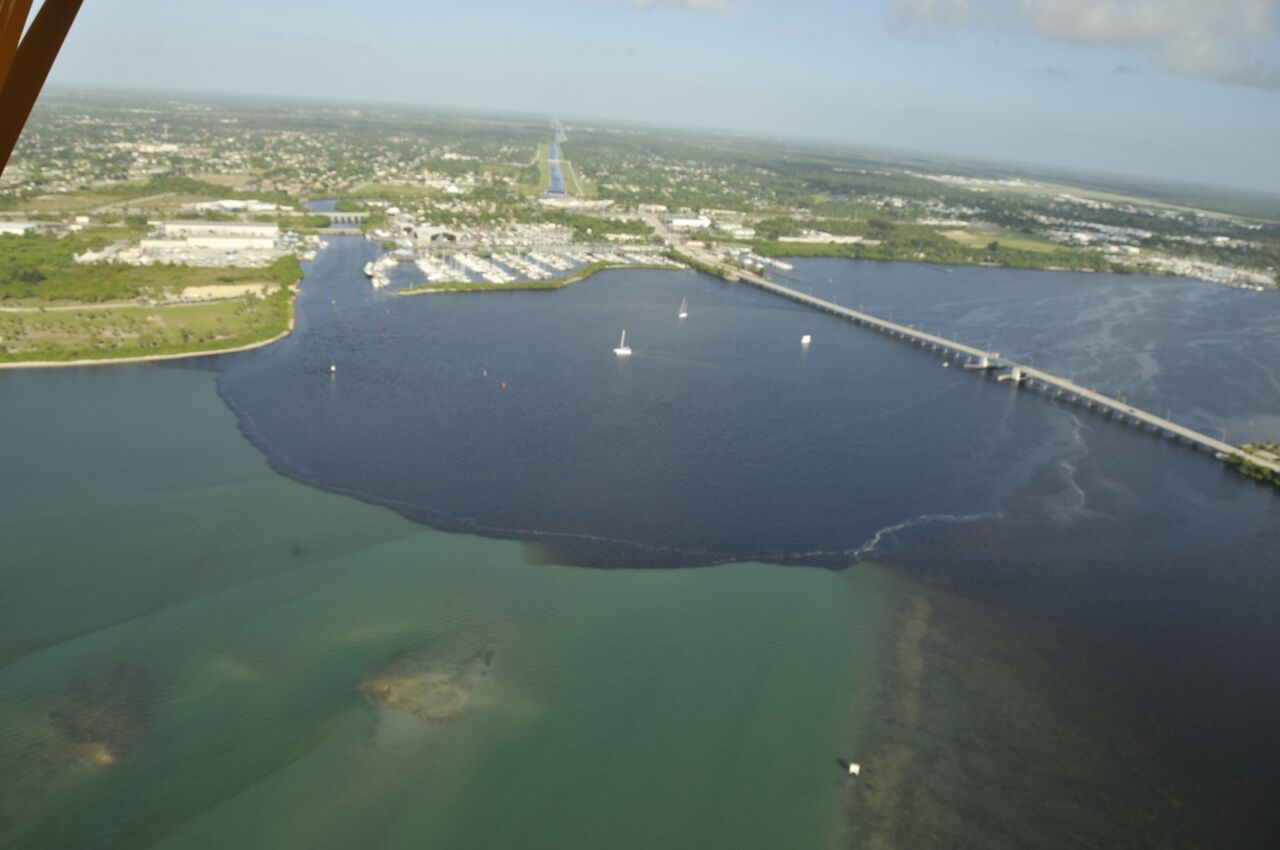
So last week they unleashed up to 4.9 billion gallons of water (think 7,400 Olympic swimming pools) per day out of two dams: one heading east via the St. Lucie River to the Atlantic Coast, and the other heading west via the Caloosahatchee River to the Gulf of Mexico. These outlets to the rivers were created decades ago to help manage the lake’s water levels. The “wet” season for the region is June through September, and for the past several years, these releases have unleashed torrents of dirty brown and sometimes green water through these canals.

Where does that polluted water come from? The agricultural and other pollutants dumped into the lake from areas north. Why not allow excess lake water to flow south, as it had for nearly 6,000 years before humans got involved? Because politically and financially powerful U.S. Sugar (hereon called Big Sugar) owns more than 60,000 acres of land directly south of the lake to grow and refine sugar cane. And because this has been the status quo for decades when state and federal regulators and the Corps of Engineers first laid out the plans for water management. In fact, it was because of the sugar industry that the water was diverted east and west to make those massive sugar cane fields arable.

So let’s summarize: An ill-conceived plan by man to redirect Nature’s intended path for water drainage to accommodate Big Sugar, as well as big development, now has imperiled several thousand people, their homes, their drinking water and the health and welfare of millions of acres of precious wetlands which serve as the nursery for some of the most ecologically rich, coastal habitat in the country.

And here’s the painful kicker. The state had the option to purchase that land as the first step to help restore the withering Everglades for several years up until last Oct. The state failed to exercise that option, and now Big Sugar wants to put up several thousand homes and big warehouses. Last fall, Fla. voters overwhelmingly approved a measure that would use some real estate tax money to buy lands for conservation and improved water quality. But the state government has so far used those funds toward agency support (salaries, insurance, etc.), not buying the more than 40,000 acres Big Sugar agreed to sell seven years ago. Several environmental groups have filed a lawsuit that is currently pending.

rushing water

The damage done

The nitrogen and phosphorous that pours into the lake from agriculture gets blasted out of canals into the St. Lucie and Caloosahatchee estuaries. The excess nutrients wreak havoc on the ecosystem, causing oxygen-choking algal blooms, massive fish kills and severe damage to prime shellfish habitats. Moreover, the influx of freshwater tips the delicate salinity balance in the marsh, killing vital grasses and forcing out species living in the brackish (part salt, part fresh) water. Conversely, during the dry season, the Corps releases much less fresh water (because it’s used for agriculture) than the Everglades needs to sustain that balance. That is, when the salinity gets too high, root structures get damaged and the vegetation can die in the marsh.

A technical study conducted by the University of Florida Water Institute last year makes several recommendations to reduce these outflows into the St. Lucie and Caloosahatchee river systems. Chief among them is to restore southerly flows into the estuaries after the water from the lake has been stored and treated in yet-to-be-built reservoirs. The study calls for similar reservoirs to be built or extended north of the lake and in or near the St. Lucie and Caloosahatchee basins. All of this would also help restore the Everglades.

As a former journalist, I have an inherent mistrust of politicians because too many times I’ve seen up close how they essentially followed the money. As a recreational fishermen, I don’t trust the state to consider the long-term economic impact if recreational fishing plummets because vital species can’t tolerate drastic habitat change. The impact for commercial fishermen could be equally dire.

As a New Orleans native whose elderly parents rode out Hurricane Katrina, only to leave two days after the storm on the last passable road and ultimately sell their house because the infrastructure was a shambles, I inherently don’t trust the U.S. Army Corps of Engineers.

About a year after Katrina, I spoke to the Corps colonel in charge of rebuilding the city’s levees. I asked him point blank why the Corps was restoring the levees to their previous standard of being able, in theory, to withstand a category 3 hurricane, when the city had just been devastated by a category 5 storm. He said the reconstruction was following the path laid out by Congress and the state. I asked him if he thought that was a good idea, and he said, “It’s not my call.”

Right now, the call on the future of the Everglades and the Indian River basin is in the hands of Florida’s governor and legislature. I only hope there are enough politicians outside of the mold that made me mistrustful in the first place to do the right thing. I hope enough of them will see that actually delivering on the promises they made to voters … to protect precious resources like the Everglades and surrounding watersheds … far outweighs surrendering integrity to the financial puppetry Big Sugar offers.

If not, getting re-elected won’t be so easy if a major environmental/economic disaster occurs and Florida becomes more of a poster child for environmental failure than it already is.

Here is some additional reading:

March 2015 Miami Herald column by Carl Hiassen about the money trial

Miami Herald Op Ed proposing a joint fix between state and Congress

Florida Department of Environmental Protection history of Lake Okeechobee

The News-Press: Fort Myers paper’s article on Gov. Rick Scott and legislators recently asking Army Corps to release lake water south toward Everglades

Huffington Post Column by Alan Farago


photos: Storm water releases. credit: Jaqqui Thurlow-Lippisch

All Blog Posts

Rising Temperatures Raising Global Warming Alarms

  • January 28, 2016October 20, 2021
  • by Colles Stowell
Share it!
Share

Summers in New Orleans can all but suffocate the uninitiated. The heat and humidity in August make a five block walk feel like a five mile run in normal conditions. The last time I experienced it for any length of time was in 1985, when I rode the streetcar to and from downtown for a summer job as an accounting clerk. After a couple of days of showing up drenched in my suit and tie, I began tucking my office clothes in a backpack and wearing shorts for the commute. Read more “Rising Temperatures Raising Global Warming Alarms” →

All Blog Posts

NOAA Opens Door to Aquaculture in the Gulf of…

  • January 16, 2016October 20, 2021
  • by Colles Stowell
Share it!
Share

Federal regulators yesterday announced the country’s first regionally approved aquaculture management program in the Gulf of Mexico. The NOAA “final rule” essentially clears the way for private entities to begin fish and shellfish farming in U.S. federal waters (exclusive economic zone). According to the announcement, those operations must follow the fishery management plan established by the Gulf Coast Fishery Management Council. Read more “NOAA Opens Door to Aquaculture in the Gulf of Mexico” →

All Blog Posts

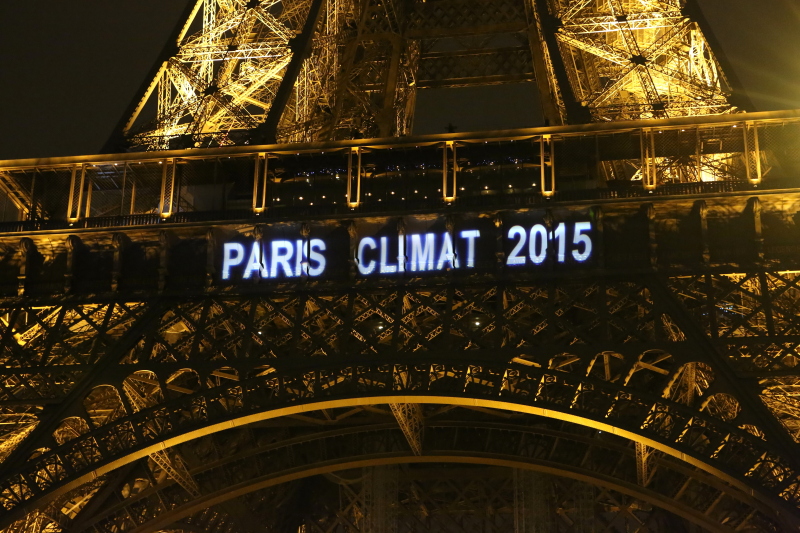
Paris Accord Sets Global Climate Change Commitment

  • December 15, 2015October 20, 2021
  • by Colles Stowell
Share it!
Share

Something happened in Paris on Friday that many thought wouldn’t.

Agreement.

Agreement by nearly 200 countries that climate change is a significant problem with short- and long-term global implications that we must address collectively. It was an uphill slog. Those countries signed a pact to reduce their carbon footprints and slow the pace of global warming in the coming century.

In a nutshell, after months and years of preparation, with weeks of hard back-and-forth negotiation culminating in two overnight sessions, nearly 200 countries agreed that:

  • Climate change exists and has the potential to do irreparable harm to the planet;
  • Global commitment to reduce greenhouse gases is critical to minimizing this harm;
  • Each country must commit to reducing carbon emissions, and revise those commitments to ever stricter standards every five years;
  • Each country must demonstrate what measures it has taken to cut emissions via a transparent process, every five years;
  • The goal is to keep the global temperature increase below 2 degrees Celsius, if not 1.5 degrees;
  • Forest preservation is critical to offsetting carbon emissions, and countries should enact policies to limit logging and save intact forests; and
  • Developed countries like the U.S., France, England, etc. should take the lead in providing funds for programs to reduce global carbon emissions, including those in developing countries.

Establishing a framework

To be sure, this is a first step. Conference organizers in Paris and elsewhere must have looked at this effort like herding cats. Coal gobbling countries like China, India and the U.S. have traditionally held different views on their responsibilities for and the extent of climate change. Smaller developing countries like the Marshall Islands, which are sounding the alarm bell that they’re losing ground…literally, have completely different views.

Such widespread agreement is monumental in the shadow of the failed 2009 climate agreement in Copenhagen. While the 2009 summit only suggested what to do, this accord is an almost Earth-wide acknowledgement that countries need to tackle this collectively, and a legally binding commitment to do so.

Will it stop global warming completely by on its own? No, say many scientists. The real tipping point would be to prevent the average global temperature increase from exceeding 2 degrees Celsius, or 3.6 degrees Fahrenheit. Scientists say that if global annual temperatures rise above 2 degrees, the planet will be past the point of repair, and the Greenland and West Antarctic ice sheets will melt, sea levels could rise 20 feet, etc.

But as written, this agreement will only limit global temperature rise by about 3 degrees Celsius if countries achieve their current emissions reductions commitments, according to some scientists. It’s far better than the status quo, which is on track to bring an increase of more than 4 degrees Celsius and potential catastrophe. Still, on the new path the oceans will continue to rise, and polar caps will continue to melt, only at a slower pace.

To meet the agreement’s goal of avoiding damaging climate change, the nations of the world must step up the ambition of their cuts over time. The pact is voluntary for countries to strive for that 2 degree goal. What is legally binding is that each country commits to some kind of carbon emissions reduction, that they commit to continuing to reduce emissions more significantly every five years, and that they demonstrate what they have done, again every five years.

One of the biggest reasons the Paris agreement does not specify benchmarks for each country is that the United States Congress would have to vote on such a measure. And the Republican-controlled U.S. Senate would have nixed any such wording. Interestingly, the U.S. Republican party is the only political party in a study of nine developed countries that flat out denies “anthropogenic climate change.” More interestingly, the study suggests that opposition to addressing climate change is strongest in countries with large reserves of oil, natural gas, and/or coal (all of which the U.S. has in abundance).

Reason for optimism

Though it will not stop global warming, this binding agreement sets a precedent for global cooperation to combat climate change and hold each other accountable. Five years ago, this seemed like an impossible task. It also hopefully creates momentum to bring the discussion to the forefront of critical diplomatic and business discussions. It sends a signal that fossil fuels do more harm than good, and should stay where they are. It will force countries to start thinking harder about developing infrastructure for alternative energy, and create a path for industries and investors to spur innovation to scale up clean energy.

And perhaps it sets a framework for more aggressive action on a global scale if the scientific evidence shows our climate is changing faster than predicted.

I’m going to teach middle school students this week about how the warming Gulf of Maine has become home to some invasive species. The European Green Crab, for example, is a warm-water invader that has been showing up in increasing numbers for the past couple of decades. It eats larval shellfish like clams, mussels and oysters. It also destroys eelgrass habitats that are nurseries for many species.

Those kinds of invasive migrations are likely to continue for a while. But I look forward to capping off the classes with a ray of hope offered by the events in Paris last Friday.


Here’s some additional reading:

Science Alert: Here’s what you need to know about the new Paris climate deal

National Geographic: Paris Agreement Catalyzes Global Cooperation Toward a Low-Carbon Future

New York Times: Climate Accord Is a Healing Step, if Not a Cure

BBC: What did the Copenhagen climate summit achieve?

2012 Republican Party Platform

Posts pagination

1 2 3

Recent Posts

  • Hurricane Ida wreaks havoc on Louisiana’s seafood industry
  • EPA Should Use Clean Water Act To Kill Zombie Mine
  • Slow Fish 2021: Relationship Matters
  • Faith, Façades, and Futility
  • Pebble Permit Paused: Politics at Play

Archives

  • September 2021
  • August 2021
  • April 2021
  • December 2020
  • August 2020
  • June 2020
  • February 2020
  • December 2019
  • November 2019
  • October 2019
  • July 2019
  • May 2019
  • April 2019
  • March 2019
  • January 2019
  • December 2018
  • November 2018
  • June 2018
  • May 2018
  • March 2018
  • February 2018
  • January 2018
  • December 2017
  • November 2017
  • October 2017
  • September 2017
  • August 2017
  • July 2017
  • June 2017
  • May 2017
  • April 2017
  • March 2017
  • January 2017
  • December 2016
  • November 2016
  • October 2016
  • September 2016
  • August 2016
  • July 2016
  • June 2016
  • May 2016
  • April 2016
  • March 2016
  • February 2016
  • January 2016
  • December 2015
  • November 2015
  • October 2015
  • September 2015
  • July 2015
  • June 2015
  • May 2015
  • April 2015
  • March 2015
  • February 2015
  • January 2015
Theme by Colorlib Powered by WordPress