Skip to content
One Fish Foundation
  • Blog
    • Aquaculture
    • Education
    • Environment
    • Policy
    • Wild Harvest
    • Fish Tales
  • About
    • About One Fish
    • About Colles Stowell
  • Education
    • Elementary School
    • Middle School
    • High School
  • KNOW FISH Dinners®
  • Resources
    • One Fish Podcast
    • One Fish Foundation in the news
    • The 7 C’s of Sustainable Seafood
    • Newsletter Archive
    • Recipes
      • Skate with Capers and Butter — Chef Rizwan Ahmed
      • Grandma Davis’ Fish Chowder — Jane Almeida
      • Ginger Garlic Tamari Scallops — Colles Stowell
      • Fish Stock — Evan Mallett
      • Mussels San Remo — Chef Rob Martin
      • Salted Pollock Croquettes – Chef Mark Segal
  • Connect
    • Contact OneFish
    • Social
      • Instagram
      • Facebook
      • Twitter
All Blog Posts

Latest Gulf of Mexico Oil Spill Raises More Flags

  • May 20, 2016October 20, 2021
  • by Colles Stowell
Share it!
Share

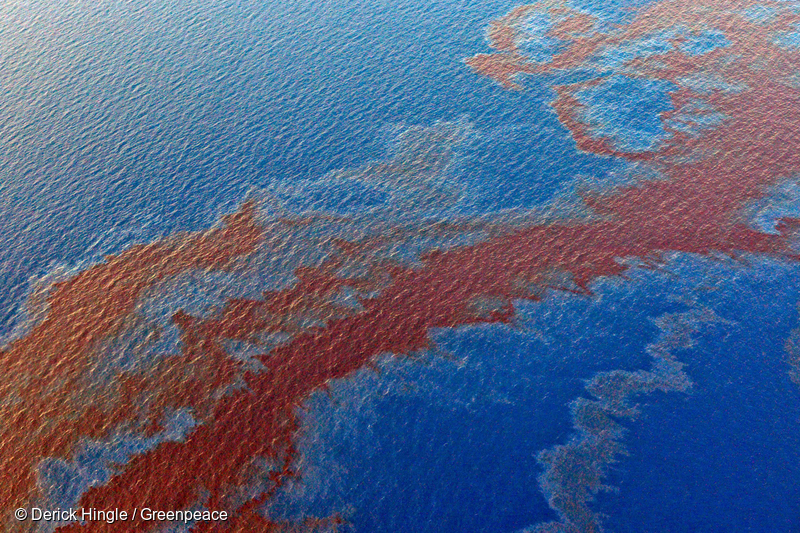
Here we go again. Another giant oil company is responsible for another oil spill in the Gulf of Mexico. Last week, a pipeline owned by Shell Oil sprung a leak, releasing nearly 90,000 gallons of oil that spread out in a slick the size of Manhattan more than 90 miles off the coast of Louisiana.

To be sure, this incident is much smaller than the Deepwater Horizon disaster in 2010, when a BP-owned oil rig caught fire, killing 11 workers and dumping more than 3 million barrels of oil into the Gulf. That disaster, and the downstream environmental, ecosystem and economic impacts it continues to wreak on the region, still qualifies as the largest manmade disaster of its kind in the U.S.

This latest release from Shell is no trifling matter. Shell says it has stopped the leak and shut off flow to the other wells the flow line connected. The Coast Guard deployed five ships and 150 people to place booms in the water to collect the oil/water mixture. The process of skimming the oil is similar to a vacuum cleaner for water, where the booms collect the mixture. Then the oil and water is likely separated, with the water returned to the gulf.

The Coast Guard announced Monday that it had completed the skimming operation, after collecting about 84,000 gallons of oil and water. So as is bound to happen, some of the oil remains in the ecosystem. The question is how much of a direct impact it will have. Some of the oil, which is light, sweet crude oil, will likely evaporate, and some will be consumed by bacteria, according to Tulane Professor Eric Smith.

Since the BP spill, there have been a variety of damning reports about how the oil and the many toxic dispersants released to “control” the situation have effected fish, shellfish and plants. The list includes everything from widely reported deaths of dolphins (up to 1,400 according to NOAA) and countless seabirds such as cormorants and pelicans to damage to juvenile tuna cardiovascular systems.

When I visited Venice, La. last November, I was struck by how much visible infrastructure there is along the Mississippi River delta and out in the Gulf. It looked like more than I could remember from my last time there, some 30 years ago. But what I later learned was the scope of the subsea infrastructure, the network to transport all of that oil and natural gas from the offshore rigs to the mainland. Some satellite overlays make the network look like a very tight, and complex cobweb.

The Shell leak apparently occurred on a transport line near a subsea terminal. And it will likely be awhile before there is any conclusive statement of cause. According to the federal Bureau of Safety and Environmental Enforcement, there have been 147 spills, releasing about 516,000 gallons of oil in the gulf since 2012.

So I have to wonder. With some 31,000 miles of pipeline (some of it installed 60 years ago) sprawled out on the ocean floor, what’s its lifespan? That is, do we really know enough to ensure such failures won’t happen again?

These are the questions I have when we get a reminder like this that placing such infrastructure near critical wildlife habitat has consequences. We can’t just rely on booms, bacteria and sun evaporation to keep cleaning up our messes. The Gulf is still recovering from the last time we relied on those approaches.


photo credit: Derick Hingle/Greenpeace
All Blog Posts

Going Home to Nature

  • December 1, 2015October 20, 2021
  • by Colles Stowell
Share it!
Share

I have many things to be thankful for, and I reflect on them with more focus this time of year: my loving wife, my imaginative daughter, close family and friends, a roof over our heads and clean water, to be sure.

A strong bond with Nature is also on that list. Countless hours and days on the water or in the woods with my dad taught me to drink in the sights and sounds of fish swimming, birds flying, frogs croaking, deer grazing, bugs buzzing, etc. I’ve learned to accept what Nature has to offer.

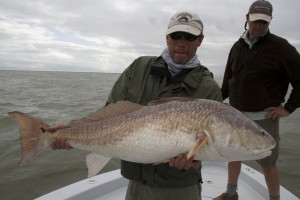
I was reminded of this earlier this month when I flew with my cousin from New England back home to New Orleans to fish for bull red drum in the Mississippi River delta. Since graduating from high school in 1984, I’ve done very little fishing in the waters where I grew up. My dad and I used to fish bayous around Lake Borgne and Lake Pontchartrain, and sometimes we drove down to Venice or Empire to go deep sea fishing.

The excitement was palpable as we left the dock in those days, knowing that in those waters in and around the delta, whether near oil rigs or out in the open, we could catch a wide variety of species. Grouper, snapper, jacks, king mackerel, pompano, sharks. You name it. The Gulf of Mexico had that big of a bounty.

I wondered how things had changed a couple of weeks ago as we stepped onto the Capt. Travis Holeman’s boat heading out of Venice. Several hurricanes, including Katrina, the oil spill and countless other factors had conspired to change the delta dramatically since I’d last been there.

I’d read that the coast is losing up to 30 square miles a year of shoreline, and the problem could get worse as sea levels rise. With 10,000 miles or more of canals dug out of the delta, protective freshwater marshes are being overrun with saltwater that kills the plants and weakens the soil.

Regardless, the biomass in Southeast La. is significant. Even on windy overcast days with fronts that drop the temperature by 10 degrees, marine and avian life seems to bubble over. Multiple shrimp and pogie boats worked offshore, bringing in tons of seafood. The pogies jumped out of the water, often creating enough of a disturbance to entice 20 lb. redfish off the bottom. Pelicans slammed into the water and came up gulping oily mouthfuls of protein. The terns and gulls also worked the water, especially marauding the trail of bait and shrimp left by the shrimp boats.

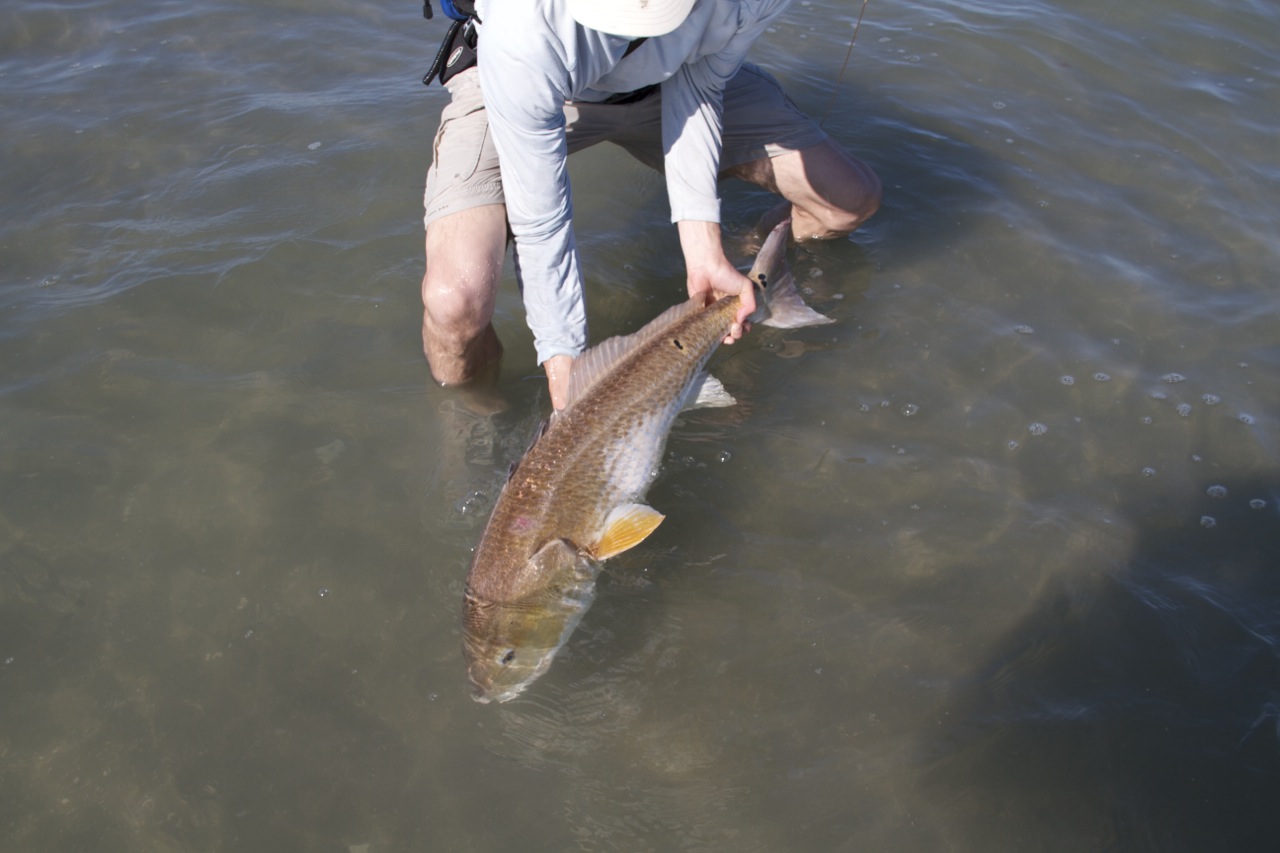
We caught and released several fish ranging from 12 to 30 lbs. We saw sharks and dolphins work the shoreline as giant jacks darted in close to shore to eat, then disappear. We saw how quickly conditions could change out there, based on wind, atmospheric pressure and water clarity spilling out the river, particularly after heavy rains in states up north.Venice grimace

The bottom changes constantly, and even “current” NOAA maps are out of date because lagoons, islands, ponds and other geographic features disappear daily.

That the delta has changed significantly since the last time I was there was evident. That it will continue to change as significantly remains to be seen. But indications are that the coastline will continue to pull back as the ocean gobbles up the fragile, yet protective marshes that are critical nurseries for a variety of important species. The delta is sinking as some scientists predict the Gulf of Mexico could rise about 4.5 feet by the end of the century.

I can only hope the rich biomass can adapt with the coming changes … because it is a special place, unique in its diversity and scope, that holds a strong connection to my past, and the love I’ve always had for Nature.

Recent Posts

  • Hurricane Ida wreaks havoc on Louisiana’s seafood industry
  • EPA Should Use Clean Water Act To Kill Zombie Mine
  • Slow Fish 2021: Relationship Matters
  • Faith, Façades, and Futility
  • Pebble Permit Paused: Politics at Play

Archives

  • September 2021
  • August 2021
  • April 2021
  • December 2020
  • August 2020
  • June 2020
  • February 2020
  • December 2019
  • November 2019
  • October 2019
  • July 2019
  • May 2019
  • April 2019
  • March 2019
  • January 2019
  • December 2018
  • November 2018
  • June 2018
  • May 2018
  • March 2018
  • February 2018
  • January 2018
  • December 2017
  • November 2017
  • October 2017
  • September 2017
  • August 2017
  • July 2017
  • June 2017
  • May 2017
  • April 2017
  • March 2017
  • January 2017
  • December 2016
  • November 2016
  • October 2016
  • September 2016
  • August 2016
  • July 2016
  • June 2016
  • May 2016
  • April 2016
  • March 2016
  • February 2016
  • January 2016
  • December 2015
  • November 2015
  • October 2015
  • September 2015
  • July 2015
  • June 2015
  • May 2015
  • April 2015
  • March 2015
  • February 2015
  • January 2015
Theme by Colorlib Powered by WordPress