Skip to content
One Fish Foundation
  • Blog
    • Aquaculture
    • Education
    • Environment
    • Policy
    • Wild Harvest
    • Fish Tales
  • About
    • About One Fish
    • About Colles Stowell
  • Education
    • Elementary School
    • Middle School
    • High School
  • KNOW FISH Dinners®
  • Resources
    • One Fish Podcast
    • One Fish Foundation in the news
    • The 7 C’s of Sustainable Seafood
    • Newsletter Archive
    • Recipes
      • Skate with Capers and Butter — Chef Rizwan Ahmed
      • Grandma Davis’ Fish Chowder — Jane Almeida
      • Ginger Garlic Tamari Scallops — Colles Stowell
      • Fish Stock — Evan Mallett
      • Mussels San Remo — Chef Rob Martin
      • Salted Pollock Croquettes – Chef Mark Segal
  • Connect
    • Contact OneFish
    • Social
      • Instagram
      • Facebook
      • Twitter
All Blog Posts

Students Teaching Students

  • May 24, 2018October 20, 2021
  • by Colles Stowell
Share it!
Share

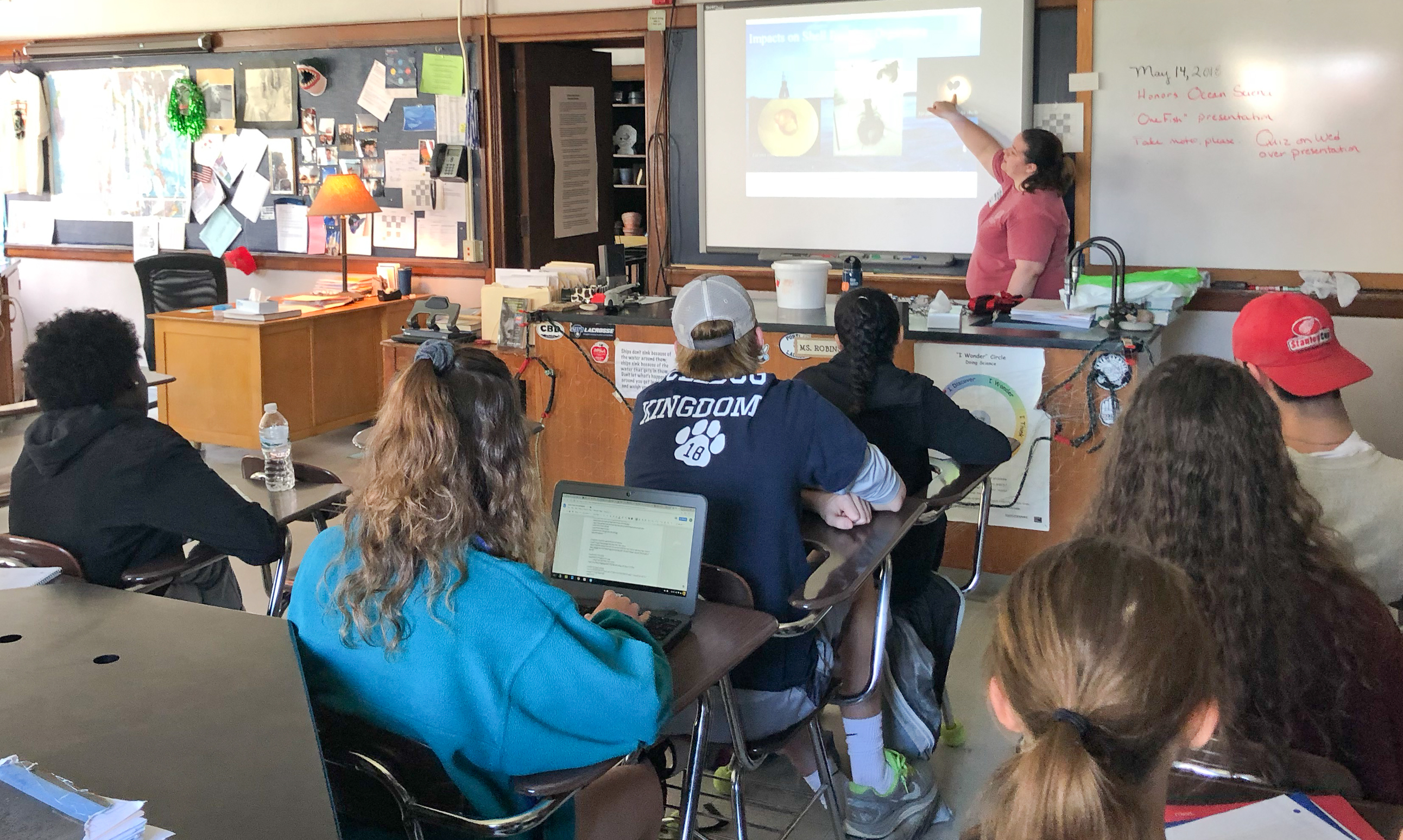
Last week, One Fish Foundation visited Portland High School for the third year in a row to discuss seafood sustainability with seniors taking a Marine Sciences course. Intern Jennifer Halstead, a senior at the University of New Hampshire, adeptly presented a clear, concise and digestible explanation of ocean acidification and how it is affecting cornerstone Gulf of Maine species like lobster and mussels. In this guest blog, Jennifer discusses the importance of taking advantage of opportunities to speak to students and community members about ocean acidification, other challenges our oceans face with climate change, and why we all need to be involved.

By Jennifer Halstead

Speaking to a crowd of people, no matter the size or demographic, can be at once daunting and rewarding, especially for a college student. Truly. It’s empowering to have people listen to your words. It’s uplifting to have them ask questions and even challenge your ideas.

Talking to a small class of students at Portland High School last week was no different. Ocean acidification (OA) is something that’s not easy to wrap your head around, but these students understood the urgency related to the issue. If at least one of them continues to ask questions and be curious, I feel as though I did my job.

Sadly, we don’t know how acidification is going to impact lobsters, one of the most important economic industries in Maine (the entire industry, including the supply chain is valued at over $1 billion). [Lobster harvests already face threats from the rapidly warming Gulf of Maine. A recent study suggests the lobster harvest could decline by as much as 62% by 2050 if the Gulf of Maine keeps warming at its current pace].

As concerned citizens and scientists, we need to start asking more questions and demanding more answers. And that is how we create change. The power is in your hands – our hands – to save oceans and our beloved lobster rolls.

I’ve spent a good portion of my college career learning about OA. Unfortunately, while our understanding of the impacts of OA is growing, OA is occurring more rapidly than we can keep up with in some places, including the Gulf of Maine. The West Coast has dealt with OA fallout, such as steep declines in oyster hatchery production in 2005, which threatened economics and 130 years of oyster hatchery history. In the Gulf of Maine, we haven’t seen complete devastation yet, but top scientists fear that it’s coming, and so do I.
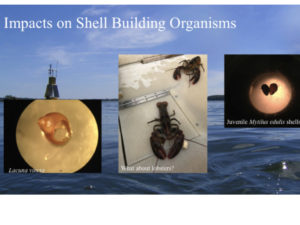
Part of Jennifer’s research on OA: a type of sea snail on the left, and blue mussel on the right. Both the sea snail and the half mussel shell you can almost see through (on the right) were exposed to acidic water. Increased acidity in the ocean weakens many shellfish’s capabilities to calcify their shells and protect themselves from disease. Credit: Jennifer Halstead.

We understand climate change impacts like OA, temperature, salinity, and currents, but not the details of how they interact and impact different species. We don’t understand the entire system. We only understand the pieces. Imagine trying to put a puzzle together with no idea what the end result is supposed to look like. That’s the immense challenge of trying to understand climate change impacts here in the Gulf of Maine and elsewhere; things are happening now that we won’t fully realize for several months, or even years.

To move forward and get research to catch up with the changes in the Gulf of Maine, we need the public’s interest and support. We need people to ask questions and demand answers. Spreading the word about these issues through presentations and hands-on demonstrations is a key piece to garnering support for these causes. Every time I stand in front of a group of people and talk to them about acidification, I can see us moving forward. Future generations are interested in problems, but even more interested in pushing for solutions.

As a college student, I often get asked where I see myself in 5 years, or what I want to do after I graduate. My broad answer is that I hope to be doing something to change the world for the better. To do that, I’ll keep standing in front of crowds of people, telling them about problems our oceans face, and asking for their help in saving them.
All Blog Posts

Opening Eyes and Providing Hope

  • March 23, 2018October 20, 2021
  • by Colles Stowell
Share it!
Share

Every class I speak to has a different dynamic. Aside from age and geography, there are other variables such as social fabric/personalities, ranges of interest in marine sciences, topics already covered in their curricula. These variables can sometimes determine how fast I make connections and get students engaged in the conversation.

This is why I work with teachers in advance to get a sense of the class dynamic and ensure I weave my message into content the students can relate to, either because they have already covered some of the material, or are about to do so.

Such was the case this week when Jennifer Halstead, One Fish Foundation’s intern, and I visited Thornton Academy in Saco, Maine. We had the pleasure of speaking to two groups of seniors. One was a group of AP Environmental Science students already conversant in eutrophication, ocean acidification and thermohaline circulation.

That background knowledge allowed us to dive deeper into issues around environmental impact of industrial aquaculture such as algal blooms (see Chile in 2016), net pen escapes (see Cooke Aquaculture last August) and feed (see West Coast of Africa…ongoing).

The key to successfully engaging students in the discussion about seafood sourcing and personal choices is connecting them emotionally to the narrative. When students care, they join the conversation and carry the salient points with them going forward…hopefully.

As Jennifer walked the environmental science students through how ocean acidification can impact shellfish ability to calcify protective shells, they immediately connected with the images of larval sea snails and blue mussels, both clearly compromised by more acidic waters.

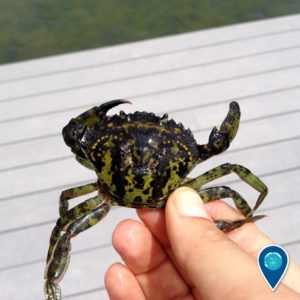
Students in the senior marine science class engaged in the discussion about why European green crabs are capable of significantly shifting ecosystem balance. Naturalized “residents” in North America since the early 1800s, green crabs are everywhere. You can scarcely turn over a rock without finding at least one along New England coasts.
They are fertile (students were surprised to hear that one female can lay up to 190,000 eggs in its lifetime), hardy (they seem to be adapting to winter and changing their spawning habits) and very destructive. They are also voracious eaters. While handling some live crabs, students learned that one crab can eat up to 40 mussels in a day. To get to larval mussels, clams and oysters, green crabs tear up vital eel grass beds, which are precious nursery habitat for a host of species such as hermit crabs, sea snails, other shellfish and even smaller bait fish.


Can you eat this thing? Well, yes, but not easily.

Students asked good questions about what we are doing to try to become the predator that keeps green crabs in check. They learned some chefs make seafood stock with the crabs, while others are working with researchers from the Island Institute, New Hampshire Sea Grant and the Massachusetts Department of Marine Fisheries to determine when the crabs molt. Doing so would help them harvest crabs to cook up as tasty soft shell crabs, just as you’d find in the south.

In both classes, we discussed some of the challenges fishermen, scientists and policy makers must address in ensuring different seafood stock health in the face of issues like climate change, bycatch, industrial scale fishing and aquaculture and environmental impact.

And as we discussed how the fast changing Gulf of Maine affects local species and introduces new invasive species, we also discussed ways the industry is adapting to these changes. Rather than rob students of hope, we talked about our need and ability to adapt to, not solve, climate change and its impact on seafood in the Gulf of Maine.
 

All photos credit: Jennifer Halstead


All Blog Posts

“We’ll Always Have Paris”… or not

  • June 10, 2017October 20, 2021
  • by Colles Stowell
Share it!
Share

Some interesting questions on climate change arise as I’m preparing a discussion on seafood sustainability with college students next week. The administration’s withdrawal from the landmark Paris climate accord have brought these questions to the fore, even if the underlying causes have been brewing for some time.

  1. What message are we sending high school and college students if we as a country (the largest historical contributor to climate change) step away from a global agreement on the issue?
  2. How do we convince students who may be on the fence about pursuing marine or climate science careers that we need more research, funding and more young brilliant minds to help us try to keep up with climate change if our government shows little willingness to believe in the need for, much less fund further research?

Throwing down a challenge

This spring I developed new high school lesson plans for seniors that focused on climate change impacts on seafood in the Gulf of Maine. The narrative begins with a broad view of the domestic and global seafood dynamic, and then focuses on why consumers should care, highlighting everything from bycatch to environmental impact and social ramifications.
Then we discuss the rapid temperature increase in the Gulf of Maine (faster than 99% of the Earth’s oceans), recent research on changes to global ocean currents and salinity and increasing ocean acidification due to higher absorption of man-made CO2. We talk about how fishermen are on the front lines of recognizing climate change impacts, and how they are struggling to interpret what the long-term ramifications are on their livelihoods. We discuss how researchers continue to improve our visibility into near- and long-term impacts of warming water, OA, and current and salinity changes.

We also discuss how despite these advances, we’re still often two steps behind climate change because we have much more research to do to figure out how myriad factors work in concert to change marine ecosystems where fish and shellfish try to thrive. A lot of the complex geophysical interactions demand more research so that we can have a more precise view of how we must adapt to, not fix, climate change impacts.

Then I challenge them to help find a solution. I urge any of them remotely interested in marine or climate sciences to commit to help us better understand these issues. Doing so would not just help from an environmental perspective, but an economic and social one as well. If our oceans rise by nearly seven feet by the end of the century (as some scientists now predict), water temperatures increase by several degrees and the ocean’s acidity increases just a little bit, seafood markets could suffer tremendously.

Mixed messages

So when the 2nd largest polluter in the world (China is tops by far, but the US has generated more over time) pulls out of the most significant global agreement on climate change – one that it helped coordinate – what does that say to these students? At a time when we should be doing everything to encourage young people to pursue these careers, our administration is caving to an industry that is literally fueling the problem.

The irony is staggering.

I will continue proselytizing. This is not the time to let political isolationism derail global momentum toward some semblance of unified action on climate change. Stepping away now simply cedes the leadership role to other countries that may have more to gain.

Reneging on the deal may also create another hurdle to convincing students we need their help. Why would they want to spend the time and energy diving into the issues if there isn’t going to be any money to support their efforts?

Rallying cry

Conversely, the administration’s move may have some consequences advisers may not have fully predicted ahead of time. Climate change has again become a major topic of conversation here. Individual cities and states are talking about signing on independently. Perhaps the withdrawal will, like other recent administration edicts, become a galvanizing point.

I hope so. That would make these discussions more relevant, and perhaps, more effective. I’ll have a better perspective next week after I speak with the students participating in the Sustainable Marine Fisheries Course at the Shoals Marine Laboratory hosted by N.H. Sea Grant.


Additional reading:

Vox overview of the Paris Accord and climate change.

The Economist view of the impact of the US withdrawal.

New York Times analysis with compelling graphics on the implications of the withdrawal.

National Review blog showing conservative support for the administration’s decision.

Climate Nexus analysis disputing conservative claims in the president’s speech on the withdrawal.


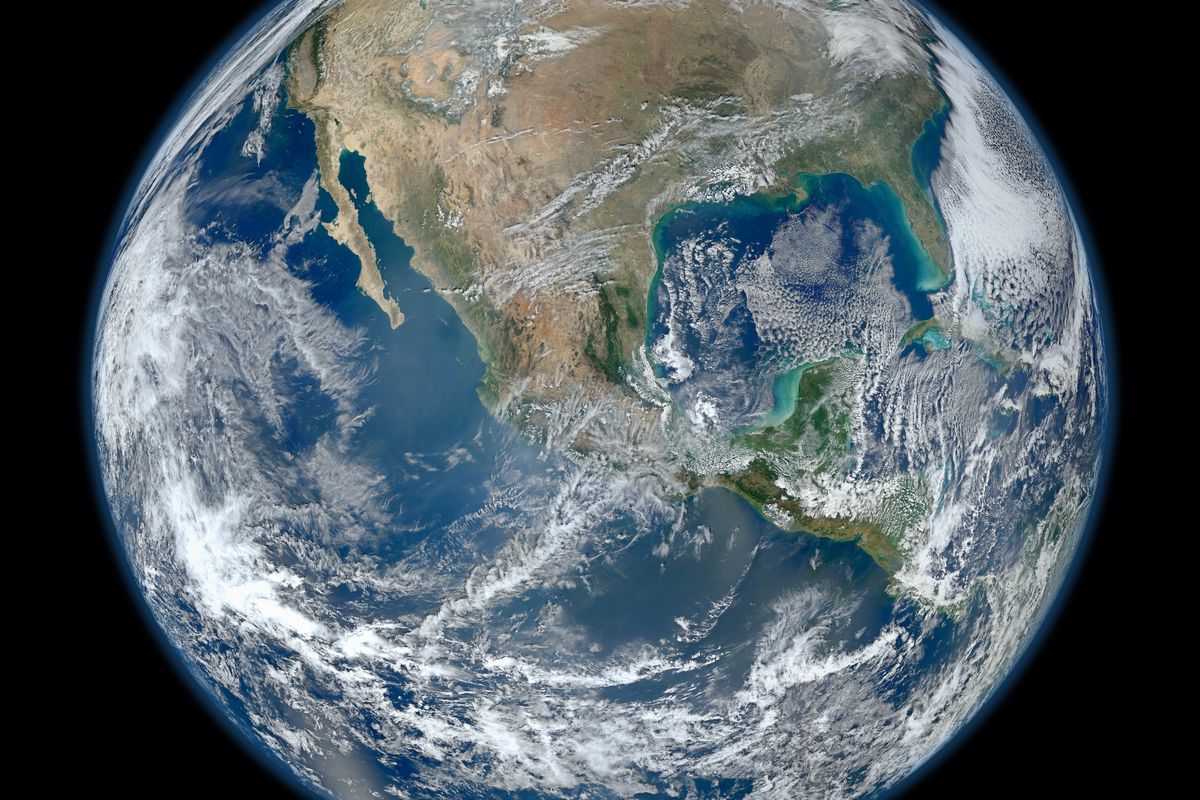
Top photo credit: (NASA/NOAA/GSFC/Suomi NPP/VIIRS/Norman Kuring)

All Blog Posts

Challenging Next-Gen Scientists

  • March 21, 2017October 20, 2021
  • by Colles Stowell
Share it!
Share

Call it irony.

Last week I was putting the finishing touches on a presentation about climate change impacts on seafood for two classes when I saw a news brief about how ocean acidification is spreading quickly in the western Arctic Ocean.

Specifically, a report from NOAA cited a new study showing how high acidity waters have spread more than 300 nautical miles almost to the North Pole and have increased in depth from 325 feet to 800 feet in the past 20 years. This rate of expansion is more than twice the global average, and it could harm mussel, clam and sea snail (food for salmon) populations.

So I had some fresh, relevant news to discuss with these students.

The classes were part of a statewide symposium bringing high school students interested in marine sciences to Salem State University. I was one of a dozen or so teachers speaking with students that day. I focused on four significant but interrelated climate factors that affect seafood webs in and around the Gulf of Maine: temperature increase, changes in current and salinity, and ocean acidification.

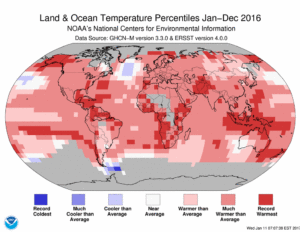
2016 was the warmest year on record. NOAA graphic

First, I briefly discussed seafood as an economic resource, and why we should care about where, when, how and by whom it was harvested. Next we talked about 2016 being the fifth year in a row for setting global land and ocean temperature records, and that the first 16 years of the 21st century are among the 17 warmest on record (138 years). We talked about how the Gulf of Maine is warming four times faster than 99% of the oceans on the planet.

Influential currents

Students asked questions about new research showing that some key currents in the Atlantic Ocean may be slowing down because of warming waters in the Arctic. The Atlantic Meridional Overturning Circulation or AMOC, (known as the ocean conveyor belt), drives global ocean currents and climates.

http://qkl.fa0.mwp.accessdomain.com/wp-content/uploads/2017/03/thermohaline_conveyor_30fps.mp4

Scientists think that if warming continues, the collision of warm and cold water in the Arctic that drives the global currents could slow or even stall, eventually putting Europe in a deep freeze and baking the southern hemisphere. This could significantly change the number and intensity of Atlantic hurricanes and Pacific Monsoons.

It could also have major impacts on a wide swath of seafood in the Gulf of Maine. These types of temperature and current fluctuations dramatically affect salinity and ocean acidification. All of these changes can alter ecosystems, including spawning areas and timing, migration, plankton production (which is the base layer of the ecosystem) and predator-prey relationships.
NOAA photo

To drive the point home, I brought out some live green crabs. The students were all about hearing how the green crab can wipe out entire mini-ecosystems of eel grass as they root out mussels and clams to devour. They also learned about increasing efforts to determine how to best control green crab populations as they’ve become omnipresent in the Gulf of Maine as temperatures increase. Though they’ve been around since the early 1800s, they’ve become much more populous here because they have adapted to the seasonal temperature changes and they are prolific.

Throwing down a challenge

I ended the class with a challenge. I described discussions I’ve had with scientists on the forefront of the research on climate impacts on seafood … all leading to the same conclusion. We currently know a fair amount about the impacts of temperature, current, salinity and OA on different ecosystems. But we don’t have a real good, long-term, predictive view of how these (and other) factors work in concert to affect ecosystems and even specific species.

We need the next generation of scientists to help us find these answers. As Marcus Carson, lead scientist on the in-depth Arctic Resilience Report on climate change said, “It’s frustrating always being two or three steps behind climate change.”

We need bright minds to dive into the advanced geophysical, meteorological, metabolic and organic shifts climate change will impose on our marine ecosystems to help us better understand how to adapt to these changes. It’s unlikely we’ll fully stop climate change. But perhaps if we begin collectively cutting carbon emissions and planning ahead, we can slow it down enough for future scientists to help us better anticipate, rather than react to these changes. That’s how we take care of seafood as a resource.

So yes, the NOAA acidification report was timely, if a bit ironic … another unfortunate red flag that should serve as a call to arms.


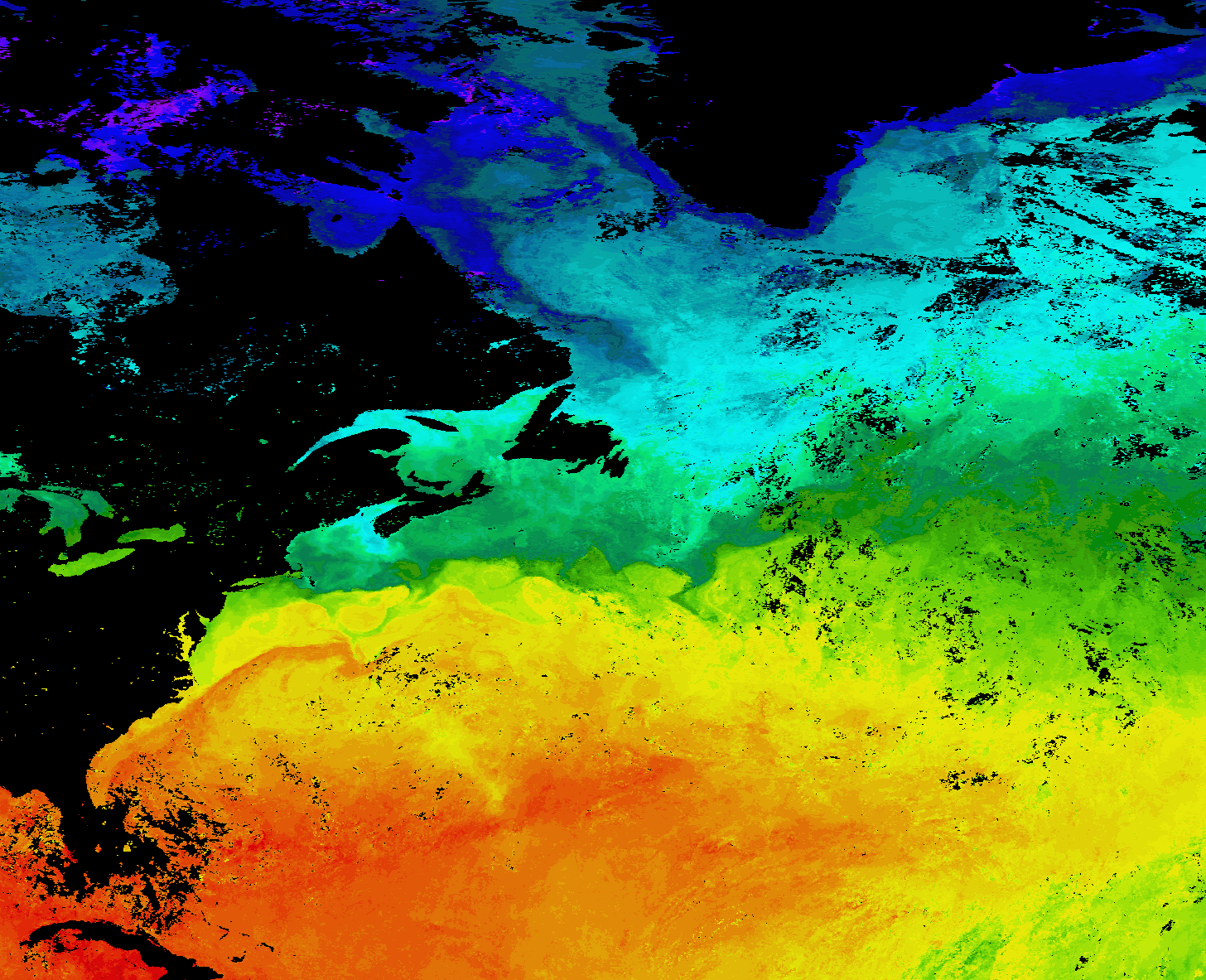
Top image credit: NASA spectroradiometer view of thermal variations in the Northwest Atlantic ocean. The warm Gulf Stream is the orange streak along the Eastern seaboard.


All Blog Posts

Arctic Climate Change Could Have Irreversible Global Impact

  • December 21, 2016October 20, 2021
  • by Colles Stowell
Share it!
Share

Every time I read a story with dire predictions about climate change impacts I imagine a gong the size of a barn door sending a warning echo off the mountains in the distance.

A team of scientists recently released a report stating that changes in the Arctic climate, everything from melting polar ice caps to warming waters and changing ocean salinity is happening faster than previously predicted. Currently, the atmospheric temperatures there are about 20 degrees Celsius warmer than normal and water temperatures are 4 degrees warmer than normal. The likelihood of no summer sea ice forming this century is very high.

Arctic tipping points

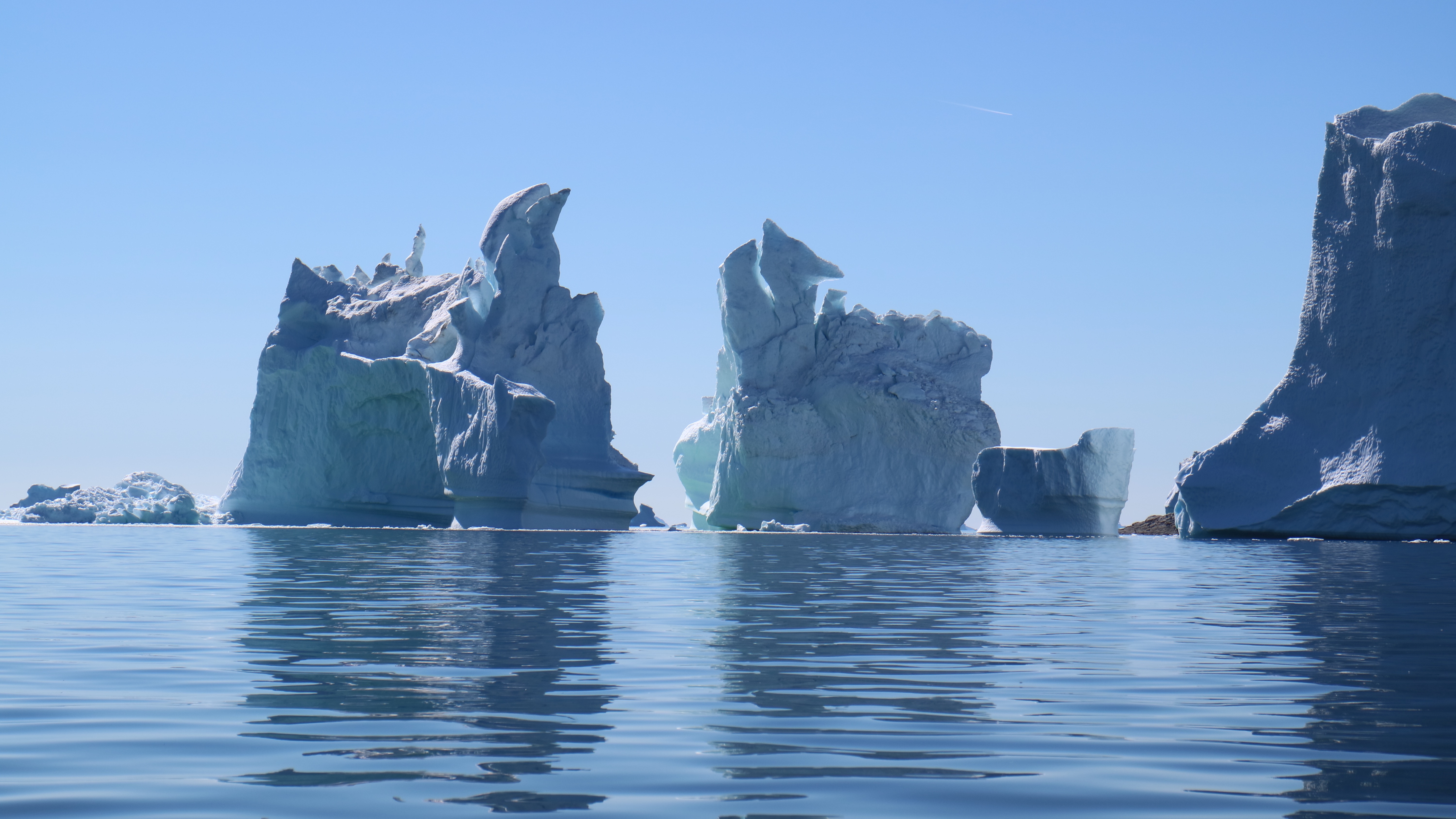
The Arctic Resilience Report states that all of this could push conditions in the Arctic toward 19 regime shifts or tipping points – climate situations that if reached, may prove to be irreversible. For example, the Greenland ice sheet is widely considered the Northern Hemisphere’s air conditioner. It is massive, nearly 1.1 million square miles, and it serves a critical role in keeping temperatures above the equator from getting too hot. This massive sheet of ice acts like a mirror, reflecting the sun’s powerful rays back into space and minimizing solar radiation warming.

The melting Greenland ice sheet. Photo by Marcus Carson

But as global temperatures have risen, the ice sheet has become thinner and smaller, and as waters around the sheet have become warmer, they have accelerated melting. This creates a cycle in which the sheet’s shrinking could accelerate localized climate change, which could further accelerate the ice sheet’s shrinking. If the ice sheet disappears (which could take centuries), scientists predict it could cause global sea levels to rise by more than 20 feet.

This is just one of the 19 tipping points. Others include: Arctic sea ice loss, which would have some of the same effects as the melting of the Greenland ice sheet; changes in ocean salinity and current, which could spread warmer water faster than normal, with global implications; changes in land-based ecosystems that could release more greenhouse gases and reduce ice/snow reflectivity; and changes in Arctic snow patterns, which could also increase global ocean temperatures that effect climate patterns such as the monsoon season in Asia.

Fisheries impact

And then there is the impact on fisheries. The report cites manmade climate change (greenhouse gases, warming oceans, pollution, etc.) as well as other external factors like fishing pressure, as drivers for what could result in fisheries collapses in the Arctic. This could play out in a couple of different ways. First, a combination of warming water, shifting current, salinity and acidification could alter the vital nutrient upwellings that produce the plankton forage fish feed on. If the forage fish don’t thrive, neither do commercially important species like salmon, cod, pollock and shrimp. Couple that with continued fishing pressure, and you’ve got a recipe for collapse.

Climate change could cause fisheries collapse in the Arctic and elsewhere. Photo by Marcus Carson

The question is, how could fisheries collapse in the Arctic affect fisheries elsewhere?

This is no small question.

Complex challenges

So I asked Marcus Carson, one of the lead authors of the 218-page report. He talked about what we know and don’t know about how rapidly things are changing. “Often, when we see these things, it’s really hard to set in motion the processes we need to take them back,” he said from his home in Sweden.

“The challenge is the relational understanding. We understand the silos [warming oceans, ice melt, carbon storage in peat bogs, etc.] pretty well. What we’re lacking is how these connections in these really complex systems really work.”

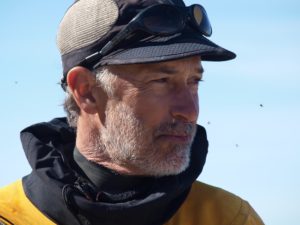
Marcus Carson. Photo by Mark Tozer

For example, he mentioned that ocean acidification, the process by which the overall acidity of the ocean increases due to increased environmental carbon release, was not included as one of the tipping points in the report because scientists couldn’t pinpoint how it will behave in concert with other factors like salinity, temperature, current, etc. What scientists do know is that the rate of acidification in the Arctic has increased twice as high as almost anywhere on earth, and that acidification is generally higher in colder water.

“What we don’t understand is the exact relation between climate change and ocean acidification where fisheries are involved,” he said. Many species follow temperature, which is the case with some species here in the Gulf of Maine. For example, as waters have warmed off Long Island Sound, lobsters have pushed north and east, and there is no sustainable lobster fishery there anymore.

We also know as we dump more carbon into the atmosphere and put more chemicals into our estuaries, the acidity goes up. But as Carson said, we don’t yet know how changes in acidification from these types of drivers will work in concert with temperature, salinity, current to affect marine food webs. Species that are more tolerant of some or all of these drivers will likely thrive more in a changing Arctic climate than others.

We need to better understand how all climate change factors could affect entire food webs. Photo by Mark Tozer

“There may be some biological variability that might get species competing with each other moving into the same space,” he said.

When it comes to impact on climate change in the Arctic affecting fisheries there and elsewhere, we still have to take a broad view. There will undoubtedly be an impact, especially when considering how currents will channel warmer, denser water globally.

A global climate

“There’s a saying around the working groups of the Arctic Council. ‘What happens in the Arctic doesn’t stay there.’ A lot of changes beyond seasonal fluctuations aren’t generated there. They start outside the Arctic, and get in there,” he said. And the changes in the Arctic may have global impacts.

“The implication with these 19 potential shifts … is that when these things start interacting with one another, the concern is that we could be setting forces in motion that are wildly out of our control,” he said.

The cycle continues. Melting ice sheet allows more solar rays to warm oceans and atmosphere, accelerating ice melt. Photo by Marcus Carson

Not surprisingly, almost every response option cited in the report for the 19 tipping points calls for some form of reducing global greenhouse gases and shifting toward renewable energy.

This is the same message a majority of scientists have been saying in ever growing numbers and volume. However, the incoming administration has virtually declared war on climate change science.

Asked about threats to defund NASA’s climate science regimen, Carson used the analogy of “tearing the instrument panel out of your plane while in flight. It’s like you want to poke our eyes out while we’re heading into these big changes.”

Indeed.

That gong is getting louder. Do you hear it?


All Blog Posts

Fishermen and Scientists Discuss Climate Change Impacts On Gulf…

  • January 5, 2015October 20, 2021
  • by Colles Stowell
Share it!
Share

This blog originally appeared Jan. 5, 2014 on the Cape Ann Fresh Catch website.

One of the benefits of writing about sustainable seafood is the opportunity to attend informative workshops and conferences about the subject. The Island Institute hosted a workshop in Portland in December 2014 about current and future impacts of climate change on fishing in the Gulf of Maine. The Island Institute is a nonprofit aimed at supporting the state’s island and working waterfronts. Chief among these is the fishing community.

Scientists from NOAA, Gulf of Maine Research Institute (GMRI) and the National Weather Service met with Island Institute representatives and commercial fishermen to discuss everything from rising water temperatures and ocean acidification to current and future predictive modeling technologies. Fishermen described how they’ve had to change tactics as cod fishing has all but stopped and lobster continue to move down east (north and east along Maine’s coastline) following cooler temperatures. They want to know if they can get more accurate, more predictive data to better plan ahead and adapt for upcoming fishing seasons based on the rapid changes.

Make no mistake. Things are changing quickly in the Gulf of Maine (GOM). In fact, ocean temps are rising faster here than anywhere else in the world. And the dynamic modeling presented at the conference was a bit scary. The water temperature has risen by nearly half a degree Fahrenheit per year for the past 10 years. That’s a big increase ¾ one which analysis suggests has had varied impacts on lobster and cod.

Scientist currently think that warming largely comes from the atmosphere, due to increased CO2 levels stemming from human activity. CO2 accounted for 82% of all greenhouse gases (the main contributor to global warming because it traps solar radiation in earth’s atmosphere) in the U.S. in 2012, according to the Environmental Protection Agency. Atmospheric CO2 levels doubled from 1860 to present. Scientists think they will double again in the next 70 years. That could increase global temperatures by several degrees in the same time period … which could have catastrophic impacts on coastal fishing, as well as coastlines, flood zones, real estate, etc.

Then there are the rising acidity levels. Ocean acidification is already occurring. As atmospheric CO2 rises, the ocean PH (which measures acidity) drops. PH levels are measured in very small increments. But when scientists predict PH levels will drop .2 to .4 in 100 years, the ecological impact could be significant. Even slight changes in PH levels could affect the ability of shellfish to develop normally hard shells to fend off disease. The economic impact could be devastating.

Fishermen in attendance talked about seeing cod fishing vanish and watching as lobstering areas have moved up the coast as waters have warmed. The past couple of years have had good to great landing years, but they have come much earlier than normal, and the effect hasn’t necessarily been good for market price. For example, in 2012 there was a glut of lobster on the market with full traps coming early in the season due to warmer water. But the molting season coincided with the prime trapping season, and Maine lobstermen were stuck with low-value product that could not be shipped to Canada (where such shedding lobster are processed) because the plants weren’t open yet. So the industry had a bumper crop, but the downstream effect was a net loss of millions of dollars.

GOM warming also appears to have a negative effect on cod stocks. Andy Pershing, chief scientific officer at GMRI, said his studies so far indicate that warmer water seems to produce fewer cod, meaning catches would be further reduced.

Fishermen at the meeting said they need better communication of trustworthy information so they can more quickly adapt to imminent fishery changes caused by environmental change. But improving the science and infrastructure to be helpful and accessible to fishermen is one thing. Getting lobstermen and fishermen who’ve been doing the same thing for decades to adapt is a much bigger challenge.

One thing is certain. The Gulf of Maine fisheries are changing more rapidly than many northern New England fishermen are really prepared for. Two fishermen from Chatham, Mass. said they’re making much of their living on dogfish and skates and moving further off shore, which is a bigger capital expense. It was a different story 10 years ago, and will be a different story in another 10 years.

Aside from the eye-popping data, the single biggest take-away for me was the kind of collaboration that is essential for developing and maintaining sustainable fisheries. Fishermen sitting down with scientists talking about the data that is now available and the data they would need to make smart decisions. What’s needed next is collaboration with policy makers to effect management plans that will support sustainability and fishermen.


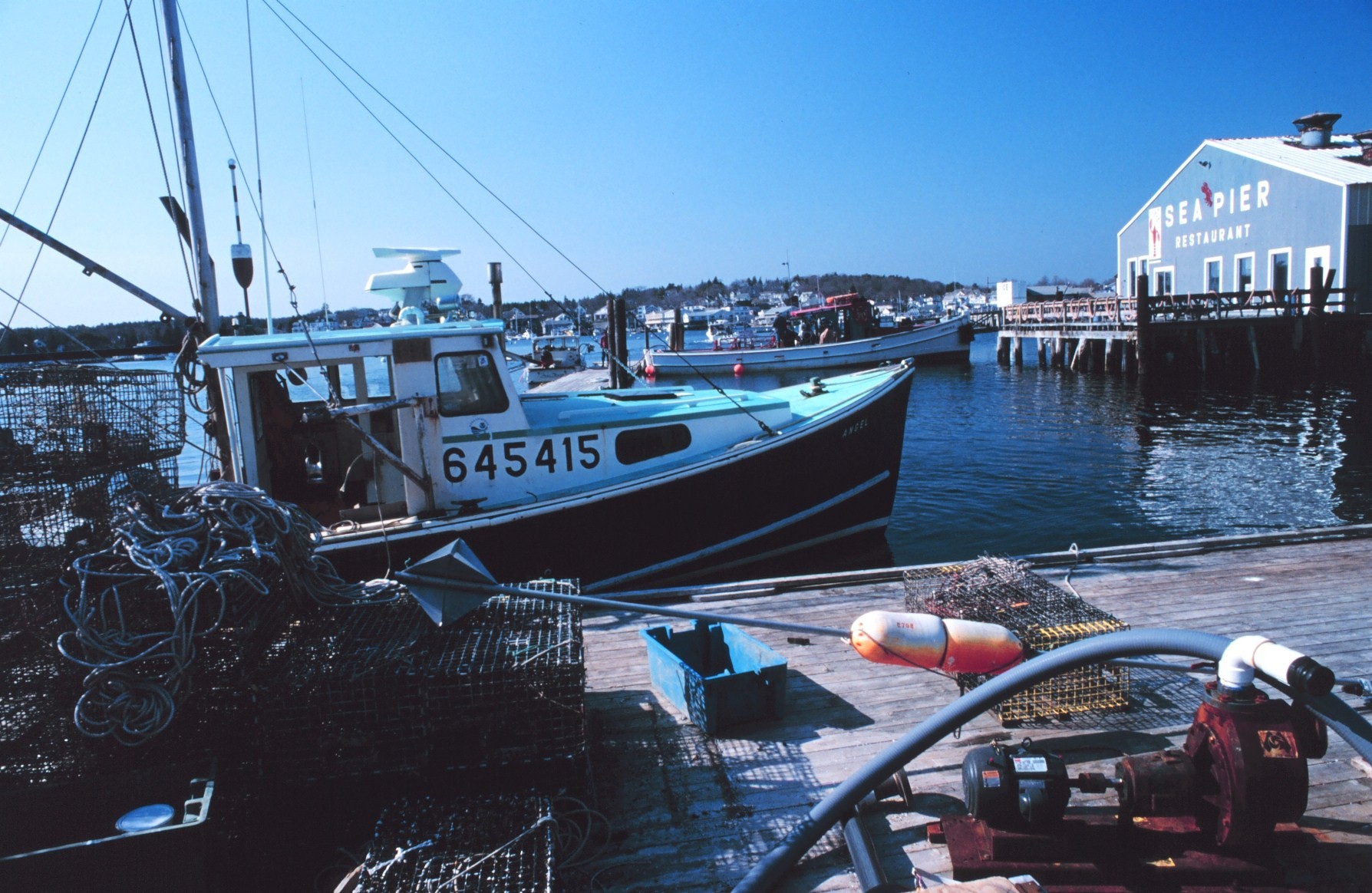
photo: Lobster boat docked at Boothbay Harbor, Maine. William B. Folsom, NMFS

Recent Posts

  • Hurricane Ida wreaks havoc on Louisiana’s seafood industry
  • EPA Should Use Clean Water Act To Kill Zombie Mine
  • Slow Fish 2021: Relationship Matters
  • Faith, Façades, and Futility
  • Pebble Permit Paused: Politics at Play

Archives

  • September 2021
  • August 2021
  • April 2021
  • December 2020
  • August 2020
  • June 2020
  • February 2020
  • December 2019
  • November 2019
  • October 2019
  • July 2019
  • May 2019
  • April 2019
  • March 2019
  • January 2019
  • December 2018
  • November 2018
  • June 2018
  • May 2018
  • March 2018
  • February 2018
  • January 2018
  • December 2017
  • November 2017
  • October 2017
  • September 2017
  • August 2017
  • July 2017
  • June 2017
  • May 2017
  • April 2017
  • March 2017
  • January 2017
  • December 2016
  • November 2016
  • October 2016
  • September 2016
  • August 2016
  • July 2016
  • June 2016
  • May 2016
  • April 2016
  • March 2016
  • February 2016
  • January 2016
  • December 2015
  • November 2015
  • October 2015
  • September 2015
  • July 2015
  • June 2015
  • May 2015
  • April 2015
  • March 2015
  • February 2015
  • January 2015
Theme by Colorlib Powered by WordPress