Skip to content
One Fish Foundation
  • Blog
    • Aquaculture
    • Education
    • Environment
    • Policy
    • Wild Harvest
    • Fish Tales
  • About
    • About One Fish
    • About Colles Stowell
  • Education
    • Elementary School
    • Middle School
    • High School
  • KNOW FISH Dinners®
  • Resources
    • One Fish Podcast
    • One Fish Foundation in the news
    • The 7 C’s of Sustainable Seafood
    • Newsletter Archive
    • Recipes
      • Skate with Capers and Butter — Chef Rizwan Ahmed
      • Grandma Davis’ Fish Chowder — Jane Almeida
      • Ginger Garlic Tamari Scallops — Colles Stowell
      • Fish Stock — Evan Mallett
      • Mussels San Remo — Chef Rob Martin
      • Salted Pollock Croquettes – Chef Mark Segal
  • Connect
    • Contact OneFish
    • Social
      • Instagram
      • Facebook
      • Twitter
All Blog Posts

Making Good Impressions

  • October 21, 2017October 20, 2021
  • by Colles Stowell
Share it!
Share

Ten- and 11-year olds are very impressionable. I’m reminded of this every time I speak to a fifth grade class and start talking about bycatch and imported farmed shrimp. Their eyes get really big when I talk about how some foreign aquaculture producers use antibiotics to try and prevent disease, or when I show them videos of some bycatch issues with longline and gill nets.

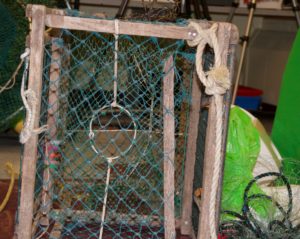
So I’m quick to tell them about some measures to mitigate bycatch, such as changing hook types or using turtle excluder devices. They love handling the big hooped nets. We talk about different harvest methods that have lower ecological impact, and that innovation continues to lessen direct harm.

I show them a pie chart and ask them to choose either the really small slice set aside, or the rest of the pie to represent the domestically harvested seafood eaten in this country. Every now and then, one student will choose the small slice either playing the odds or actually knowing the reality. I love to watch the class discuss the answer and perhaps change their minds. When I tell them the larger section or 90% of the pie represents imports, they don’t mask their surprise.

I taught three 5th grade science classes at Rye (NH) Elementary School last week, and took note of students’ interaction with these potentially daunting topics. Typically with classes along the coast, a majority of students raise their hands at the outset when I ask how many like seafood. For those who don’t, I be sure to acknowledge that and tell them that it’s important to understand our relationship to, and impact on the resource, even if we don’t eat it.

The students at Rye Elementary were, as usual, well informed, inquisitive and engaged in learning about where seafood comes from. They were interested to learn about bivalve aquaculture in Maine, and why forage fish such as the mackerel they see right off the docks play a crucial role in the marine food webs.
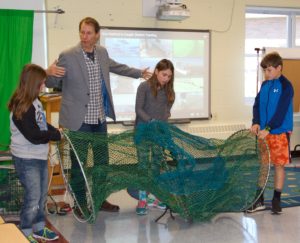
We talked about gear selectivity, invasive species (live green crabs are always a hit) and that buying locally harvested seafood supports local fishermen in the community. And we talked about their responsibility to ask questions at restaurants and seafood stores.

Each class has a different personality and energy level. So we adapt the content and conversation to those variables and engage as many minds as possible.
Every time I teach a few classes in a row, I walk away energized by the fluidity and enthusiasm of the conversation … and a bit drained. Each class I teach is a renewal of my respect and admiration for teachers who do this day in and day out. This is especially true for teachers helping to stimulate young, impressionable minds.
All Blog Posts

Chilean Farmed Salmon: Poster Child for Caution

  • July 20, 2016October 20, 2021
  • by Colles Stowell
Share it!
Share

I remember the first time I tasted wild salmon. I was almost 10, and my dad had just returned from two weeks fishing the Whale River in Ungava Bay, Northern Quebec. This was 1974, and my dad brought two big crates with two 15 lb fish, packed with peat moss, sawdust and dry ice. The stories my dad told of these big leaping fish, the rugged beauty of the land, camping in tents and cooking over fires made the fish taste wild. I wanted to go and catch my own salmon and eat it. That didn’t happen for a while.

The best seafood I’ve ever tasted was a salmon I’d caught 15 minutes before I gingerly grabbed pieces of it out of a smoldering, greasy pan during a downpour at Twin Pools on the LaPoile River in Newfoundland in 2011. We’d hiked seven miles of terrain that ranged from peat bogs, to dense forest and giant boulders. I felt like I was in Middle Earth. No plates. No silverware. One crumpled napkin. No seasoning save for the dregs of some salt and pepper the guide scraped out of his coat pocket. He had to lean over the pan with his rain jacket flared while the tender pink flesh glazed over in the hot butter.

Nothing has topped that experience, before or since.

I think back on those experiences when I think about how far we’ve pulled away from our food sources. I can only imagine what the Atlantic salmon populations were like before we started damming their spawning habitats and fishing them with wanton abandon.

I guess the rise of salmon farming was an inevitable consequence of Atlantic salmon’s broadly appealing taste and appearance, even as the fishery collapsed over the last hundred years. The intentions may have been somewhat innocent, if a bit naïve, at the outset. But naturally, the rush to make these struggling, expensive operations profitable, if not solvent, perhaps bypassed some warning signs. The push to accelerate time-to-market as well as gross pounds produced has yielded some unpleasant results.

Bloom to bust

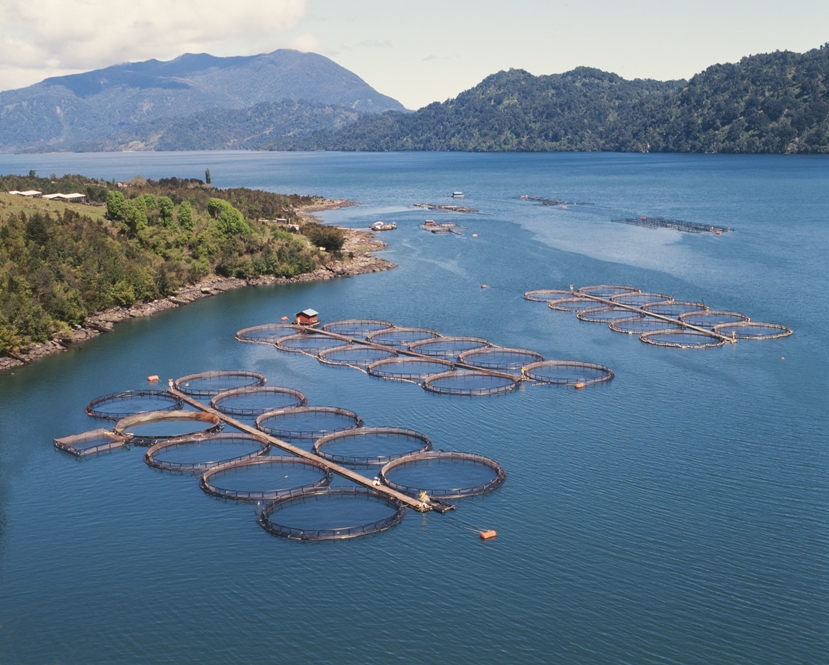
Look no further than the train wreck that is the Chilean salmon farming industry. The second largest producer of farmed Atlantic salmon in the world (Norway is tops), Chile’s industry had a terrible first half of 2016. In a four week span in late February and early March, four of the nation’s top producers lost more than 9 million salmon to an algal bloom that released a deadly bacteria, killing more than $70 million worth of product. Total salmon losses since this first reported algal bloom or red tide are estimated at around 25 million salmon weighing about 100,000 metric tons or 15% of the country’s total production. Chile scientists blame the algal bloom on unseasonably warm temperatures due to El Nino. I’ll get back to that.

Authorities dumped thirty percent of the dead fish in a landfill, the rest in the ocean. A few weeks later, giant flotillas of dead sardines, jellyfish, birds and some mammals washed up on Chile’s shores, which were also covered with dead clams. Commercial fishermen reacted, complaining the die-offs and the federal closures of nearby fishing grounds were a direct result of bad aquaculture practices.

To protest, they set up blockades effectively stopping transport of any of the surviving farmed salmon to market. At one point, producers were losing $10 million a day related to both the die-off and the delivery interruption, with estimates at about $800 million total loss.

Irony you say? Hold on, it gets better.

Antibiotics to the rescue?

The just desserts, if you could call it that, to this festering stew of salmon, bacteria and political angst is a recent appellate court decision forcing the industry to reveal just how much antibiotics each of its producers has used. The decision came in a lawsuit filed by Oceana, claiming international markets had a right to know how the world’s 2nd largest farmed salmon producer treated its fish. Until this decision, the true depth of Chile’s antibiotic use had been somewhat cloaked.

Now we know. And the details are stomach churning indeed. Government statistics released a couple of weeks ago show the proportion of antibiotics to tons of salmon increased from 2014 to 2015, during which time producers used 1.23 million pounds of antibiotics on about 895,000 tons of fish. On average, producers used about 660 grams of antibiotics per ton. One company, Australis Seafoods used 1,062 grams of antibiotics per metric ton of fish.

For comparison, consider that in 2008, Chile fed 385,635 kilograms of antibiotics to its salmon. Norway, the world’s largest farmed salmon producer? 941 kilograms.

So why is this such a big problem? For starters, it’s not good to ingest antibiotics unless you absolutely need them. You may have read about concerns over superbugs, or antibiotic-resistant bacteria. In essence, bacteria like E. coli or salmonella continue to evolve in their own quest to survive. And thus, some strains have developed a resistance to the antibiotics we would use to kill them, making us more susceptible to the nasty diseases these bugs can produce.salmon pen

Consider some frightening statistics from the US Center for Disease Control: An estimated 2 million people in the U.S. become infected with antibiotic-resistant bugs, resulting in 23,000 deaths. Now consider that some of the antibiotics used in aquaculture operations outside the U.S. have been deemed carcinogenic by the Food and Drug Administration.

No thanks.

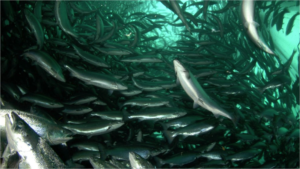
Now let’s get back to the rise of the algal blooms in Chile. As I said, local officials claim the unseasonably warm temperatures gave rise to the situation. There is truth in that statement. However, scientists believe there is another direct cause. Concentrations of tens of thousands of fish in close proximity swimming in their own feces leaves them vulnerable to disease. So the farming operations dump tons of antibiotics as a preventative measure against the disease. They also throw in tons of pellets to feed the fish.

Now imagine a veritable rainfall of feces, undigested food and antibiotics landing on the ocean floor. There’s a lot of excess nitrogen and phosphorous introduced to the ocean ecosystem that in theory would otherwise be balanced. The extra nutrients create an environment more suitable for algae to grow than most other organisms. And it grows quickly, sucking up much of the available oxygen and releasing a deadly bacteria that ultimately kills the fish. The fish die and the bacteria have more “food.”

Worse still, the antibiotics used against the primary salmon-killing bacteria, SRS, aren’t working, according to an official with the National Service of Fisheries and Aquaculture (Sernapesca).

So if you’re keeping score, Chile salmon farmers are pounding their product with antibiotics that aren’t really working. And consumers are paying for it.

I’d call that a real loss on many, many levels.

We’ll talk about the global impact of finfish aquaculture in further posts, and explore some operations that are taking a better approach.


Resources

Here are some additional links to interesting info about aquaculture:

Lenfest study on aquaculture pollution

National Geographic glossary on algal blooms

World Wildlife Fund Report on environmental impacts of aquaculture


All Blog Posts

What’s In Your Imported Farm-Raised Shrimp?

  • May 3, 2016October 20, 2021
  • by Colles Stowell
Share it!
Share

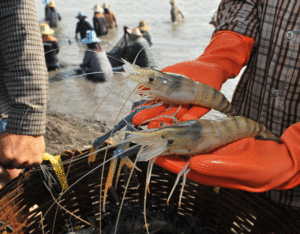
A recent Food and Drug Administration alert about farmed shrimp from Asia raises health questions about the food system that delivers imported shrimp to the U.S. and the rest of the world. The notice also serves as a warning to consumers to know more about where the seafood comes from and how it was grown or harvested.

Forty-five out of 138 shipments (32%) from the Malaysian Peninsula sampled between October 1, 2014, through September 30, 2015 were found to have carcinogenic substances the FDA doesn’t want in our food. So the FDA has given inspectors the authority to reject all shrimp shipments from the Malaysian peninsula, save for a few exceptions, without a physical inspection.

What did they find? Antibiotics called nitrofurans and chloramphenicol, both of which have proved harmful to human health with prolonged exposure. Additionally, prolonged use can create antibiotic-resistant bacteria that can make matters worse.

So carcinogenic antibiotics were found in aquaculture shrimp from Asia.

Shock. Surprise.

The question is why. To better understand, let’s take a quick look at how shrimp farming typically works, and why it should give anyone pause when at a grocery store, seafood market or restaurant.

Big business, big risks

Shrimp farming is a huge business. Some estimates have global farmed shrimp at 3.7 million metric tons in 2014, worth between $12 billion and $15 billion dollars. The drive to grow profits as well as shrimp means increasing production.

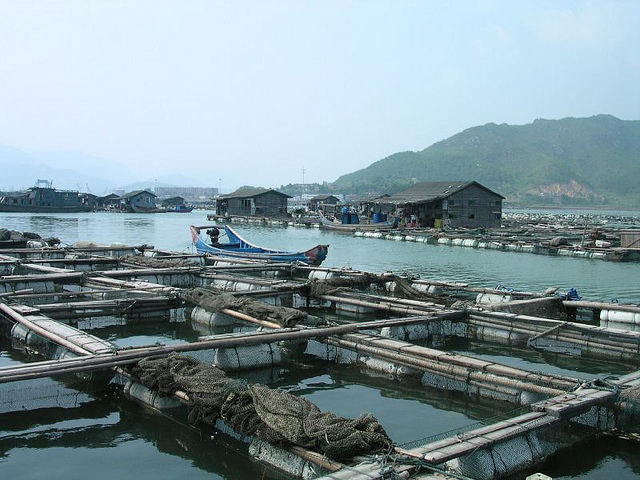
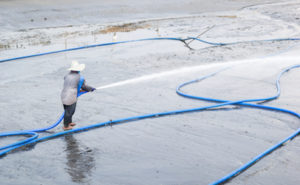
Shrimp farming often starts by destroying and removing ecologically critical mangrove ecosystems (nurseries for many species) to create retention ponds where the shrimp will grow. These ponds are usually fed with seawater that passes through the ponds and often re-enters the ocean … carrying much of the waste filtered through ponds carrying thousands of pounds of shrimp and their feces. Many operations claim they filter the water before it enters the ocean, but…

But because shrimp are the number one consumed seafood around the world, many operations in Third World countries in Central and South America and Asia jam as many shrimp into these ponds as possible. Without proper filtration, those shrimp are highly susceptible to disease, because, you know, they’re swimming in their own poop.

Bad medicine

For the past decade or so, many operators have found it easier to use antibiotics and other potentially harmful materials to fend off the bacteria that could cause disease. Those antibiotics don’t just disappear overnight. They don’t always fend off disease either, resulting in huge losses. Just witness recent cases of “early mortality syndrome (EMS)” in Asia.asianshrimpfarm_405x250

EMS is a devastating disease borne of a microorganism found in estuaries around the world, and showing up in overcrowded ponds that have poor filtration. The bacteria shut down the shrimp’s digestive system, killing the shrimp. Its infection rate is fast and efficient, meaning it can quickly kill all of the shrimp in a pond. EMS has mostly been found in Asia, but has also cropped up in Mexico.

To try and avoid catastrophic losses, growers choose from a menu of preventative measures, such as chlorine, superphosphates and ozone to disinfect the water, probiotics to fight off the bad bacteria and stabilize the water quality and antibiotics to treat illness. Aside from the potential threats to human health, another issue with these approaches appears to be that they may actually make the ponds more susceptible to infection, according to some scientists.

None of this is good for the shrimp or consumers.

Market impact

The Global Aquaculture Alliance estimates EMS causes $1 billion in losses annually. This explains why shrimp farmers are willing to do most anything to bring “healthy” shrimp to market … including using antibiotics the US FDA deems carcinogenic.

Here are some problems with this food system:

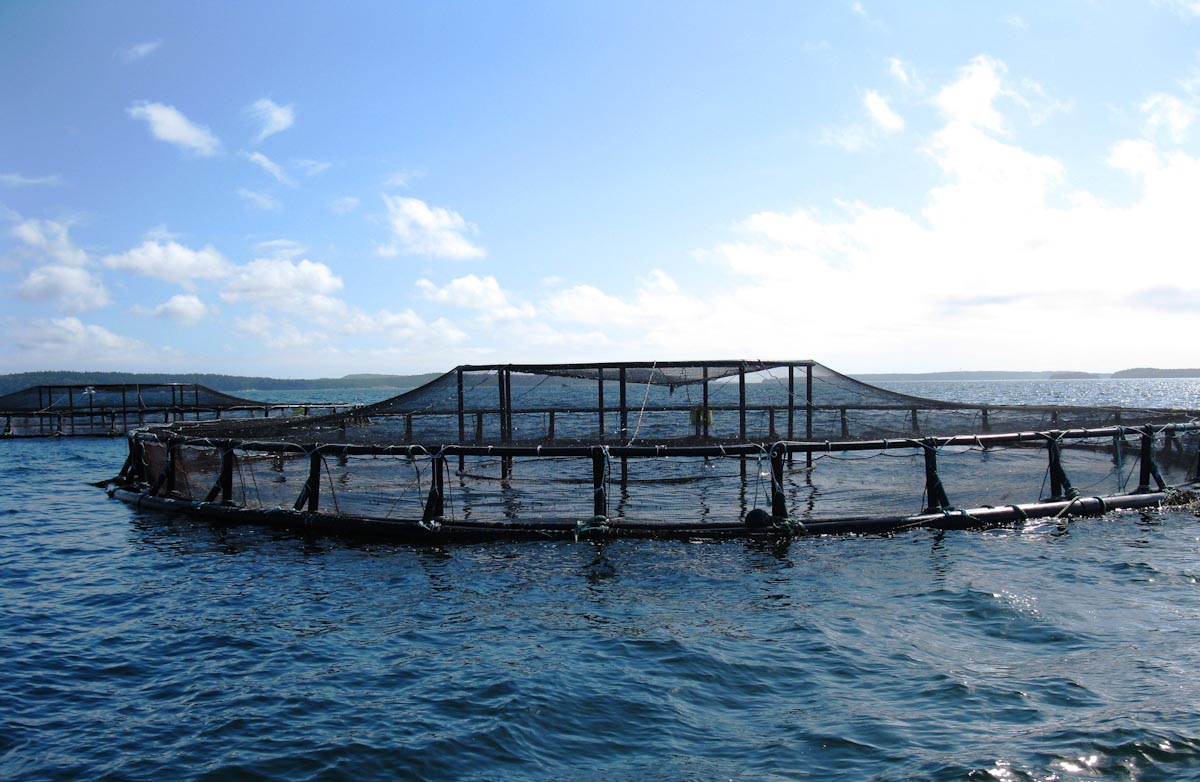
  • 90% of the seafood eaten in the U.S. is imported;
  • 50% of the seafood consumed in the U.S. is farm raised;
  • Only 5% of the seafood consumed in the U.S. is farm raised domestically;
  • 90% of the world’s shrimp exports come from Asia and India;
  • 55% of global shrimp production is aquaculture;
  • The U.S. is far more strict about safe aquaculture practices than most of the world;
  • The FDA is understaffed for inspectors, particularly those inspecting incoming seafood.

Source: UN Food and Agriculture Organization 2014 Status of the Stocks

This all means that most of the farmed shrimp consumed in this country was farm-raised in Asia, where there is a greater chance that it was treated with chemicals deemed unsafe to consume by the FDA. And there aren’t enough inspectors checking all of the imports.

How could this situation get much worse? If the latest trade deal, the Trans-Pacific Partnership, is approved in Congress, the few inspectors checking U.S. imports may have their hands tied. The pact allows signatories like Thailand, Viet Nam and yes, Malaysia to sue the U.S. claiming that applying more strict U.S. health codes to imported seafood constitutes unfair trade practices. The result could be sanctions, fines and an open door to products tainted with carcinogenic substances.

Get smart

In the classroom the message always comes back to awareness. I encourage students to question where their seafood comes from. I considered it a shrimp-diseasemoral victory a few months ago when a 6th grader told the class she stopped her mom from ordering shrimp because it was from Thailand.
It’s that kind of awareness that helps students, their parents and anyone else understand that shrimp coming from Asia, or anywhere outside the U.S. is a good thing to avoid.

So you may want to pause before ordering the shrimp cocktail. Try to find the country of origin. If the shrimp isn’t from the U.S., you may want to consider another option. Because when the FDA sends up a red flag like this, it’s a good idea to take note.


Photo credits in order: Eco News Network, Food Safety News, U.S. Bureau of Labor Statistics

All Blog Posts

NOAA Opens Door to Aquaculture in the Gulf of…

  • January 16, 2016October 20, 2021
  • by Colles Stowell
Share it!
Share

Federal regulators yesterday announced the country’s first regionally approved aquaculture management program in the Gulf of Mexico. The NOAA “final rule” essentially clears the way for private entities to begin fish and shellfish farming in U.S. federal waters (exclusive economic zone). According to the announcement, those operations must follow the fishery management plan established by the Gulf Coast Fishery Management Council. Read more “NOAA Opens Door to Aquaculture in the Gulf of Mexico” →

Recent Posts

  • Hurricane Ida wreaks havoc on Louisiana’s seafood industry
  • EPA Should Use Clean Water Act To Kill Zombie Mine
  • Slow Fish 2021: Relationship Matters
  • Faith, Façades, and Futility
  • Pebble Permit Paused: Politics at Play

Archives

  • September 2021
  • August 2021
  • April 2021
  • December 2020
  • August 2020
  • June 2020
  • February 2020
  • December 2019
  • November 2019
  • October 2019
  • July 2019
  • May 2019
  • April 2019
  • March 2019
  • January 2019
  • December 2018
  • November 2018
  • June 2018
  • May 2018
  • March 2018
  • February 2018
  • January 2018
  • December 2017
  • November 2017
  • October 2017
  • September 2017
  • August 2017
  • July 2017
  • June 2017
  • May 2017
  • April 2017
  • March 2017
  • January 2017
  • December 2016
  • November 2016
  • October 2016
  • September 2016
  • August 2016
  • July 2016
  • June 2016
  • May 2016
  • April 2016
  • March 2016
  • February 2016
  • January 2016
  • December 2015
  • November 2015
  • October 2015
  • September 2015
  • July 2015
  • June 2015
  • May 2015
  • April 2015
  • March 2015
  • February 2015
  • January 2015
Theme by Colorlib Powered by WordPress