Skip to content
One Fish Foundation
  • Blog
    • Aquaculture
    • Education
    • Environment
    • Policy
    • Wild Harvest
    • Fish Tales
  • About
    • About One Fish
    • About Colles Stowell
  • Education
    • Elementary School
    • Middle School
    • High School
  • KNOW FISH Dinners®
  • Resources
    • One Fish Podcast
    • One Fish Foundation in the news
    • The 7 C’s of Sustainable Seafood
    • Newsletter Archive
    • Recipes
      • Skate with Capers and Butter — Chef Rizwan Ahmed
      • Grandma Davis’ Fish Chowder — Jane Almeida
      • Ginger Garlic Tamari Scallops — Colles Stowell
      • Fish Stock — Evan Mallett
      • Mussels San Remo — Chef Rob Martin
      • Salted Pollock Croquettes – Chef Mark Segal
  • Connect
    • Contact OneFish
    • Social
      • Instagram
      • Facebook
      • Twitter
All Blog Posts

New Trade Deal Could Handcuff Local Seafood Systems

  • June 16, 2015October 20, 2021
  • by Colles Stowell
Share it!
Share

Tell me if this is your definition of democracy: Ramming through a piece of legislation that Congress is not allowed to amend, that the public is not allowed to review and comment on, and that would ultimately surrender control over local seafood resources to foreign companies, while paving the way for cheaper, less regulated product to flood domestic markets.

Sound farfetched?

Read more “New Trade Deal Could Handcuff Local Seafood Systems” →
All Blog Posts

Students Tackling Sustainability Challenges

  • May 16, 2015October 20, 2021
  • by Colles Stowell
Share it!
Share

The proposal was to create an aquaponics operation that would raise fish and lettuce in a clean environment. No hormones, antibiotics, or pesticides. The system would feature a continuously cleaned tank for the fish, filtering the waste into another system that converts the waste into nitrogen that plants floating on Styrofoam flats in a separate tank would use to grow.

The goal was to come up with a community-oriented operation that would “grow” sustainably raised seafood and produce accessible to the community. Farm to table. Sustainable.

The presenter was a freshman at Casco Bay High School, in Portland, Me., and he was speaking to an audience of about 35 people yesterday.

For the second year in a row, I had the honor to serve as an expert panelist witnessing the presentations from promising freshmen, who proposed a variety of sustainable food solutions for the Portland area. I was once again impressed by the depth of their research, the level of investment in their projects and the overall quality of the proposed solutions.

One student proposed farming blue mussels near net pen salmon to filter the salmon waste, which otherwise would negatively effect the surrounding ecosystem in high concentrations. Essentially, the mussels would serve as a natural filtration system. Other students called for a variety of management measures to mitigate overfishing, while also proposing funded retirement plans to support out-of-work fishermen.

Some students promoted increased development and use of community gardens to help solve food insecurity challenges. This solution would also shorten the distance from farm to table, minimize the use of harmful pesticides and improve the quality of the food we eat. Other students called for increased education about national and local hunger issues, and the need to teach students the importance of growing and supporting organically grown produce.

While none of these solutions are truly groundbreaking, they are the culmination of several months of hard work. Students immersed themselves in their projects, called expeditions. They identified a particular food sustainability challenge, dove into the research, and picked out workable solutions for their communities. They took the time to familiarize themselves with the key issues so they could intelligently answer questions about the projects.

Perhaps most encouraging, these students have now become evangelists for the food sustainability issues that affect them and/or their communities. They have come up with answers that could work. They are thinking for themselves.

I had to remind myself that these are freshmen.

Seafood sustainability is a complex challenge with global, national, regional and local implications. There is no one black-and-white solution. We all need to think about it. And we need to pour as much energy, enthusiasm and creativity as possible into working solutions.

So I am encouraged and rejuvenated when I see the efforts of 9th graders who demonstrate that they too have a stake in the sustainability movement.

All Blog Posts

Allowing Wild Pacific Salmon to Define Sustainability

  • April 29, 2015October 20, 2021
  • by Colles Stowell
Share it!
Share

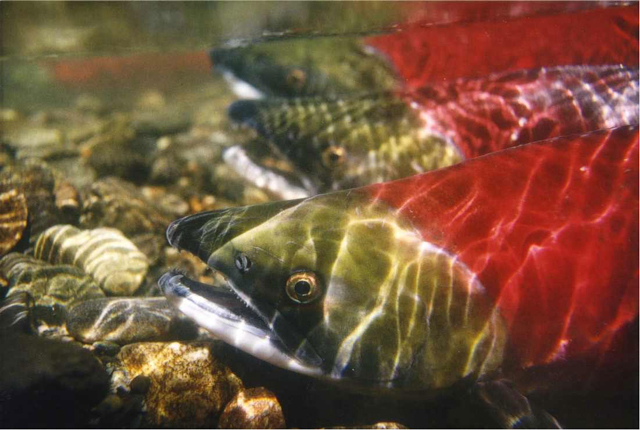
I write this blog primarily to spread the word about sustainable seafood. “Sustainable” has become a bit of a cliché as marketers stretch and pull the definition in directions that weren’t part of its original meaning. Unfortunately, that leaves many of us with more questions than answers about where our seafood comes from.

Read more “Allowing Wild Pacific Salmon to Define Sustainability” →

All Blog Posts

Presidential Task Force Sets Sights on Illegal Fishing, Seafood…

  • March 20, 2015October 20, 2021
  • by Colles Stowell
Share it!
Share

This week the Presidential Task Force on Illegal, Unreported and Unregulated (IUU) Fishing and Seafood Fraud released its action plan to help ensure fair seafood markets around the world. The plan follows close on the heels of the report NOAA issued last month identifying the challenges and objectives in combating IUU.

Read more “Presidential Task Force Sets Sights on Illegal Fishing, Seafood Fraud” →

All Blog Posts

Despite Legislation, Litigation, Pebble Mine on Downhill Slide

  • March 10, 2015September 3, 2015
  • by Colles Stowell
Share it!
Share

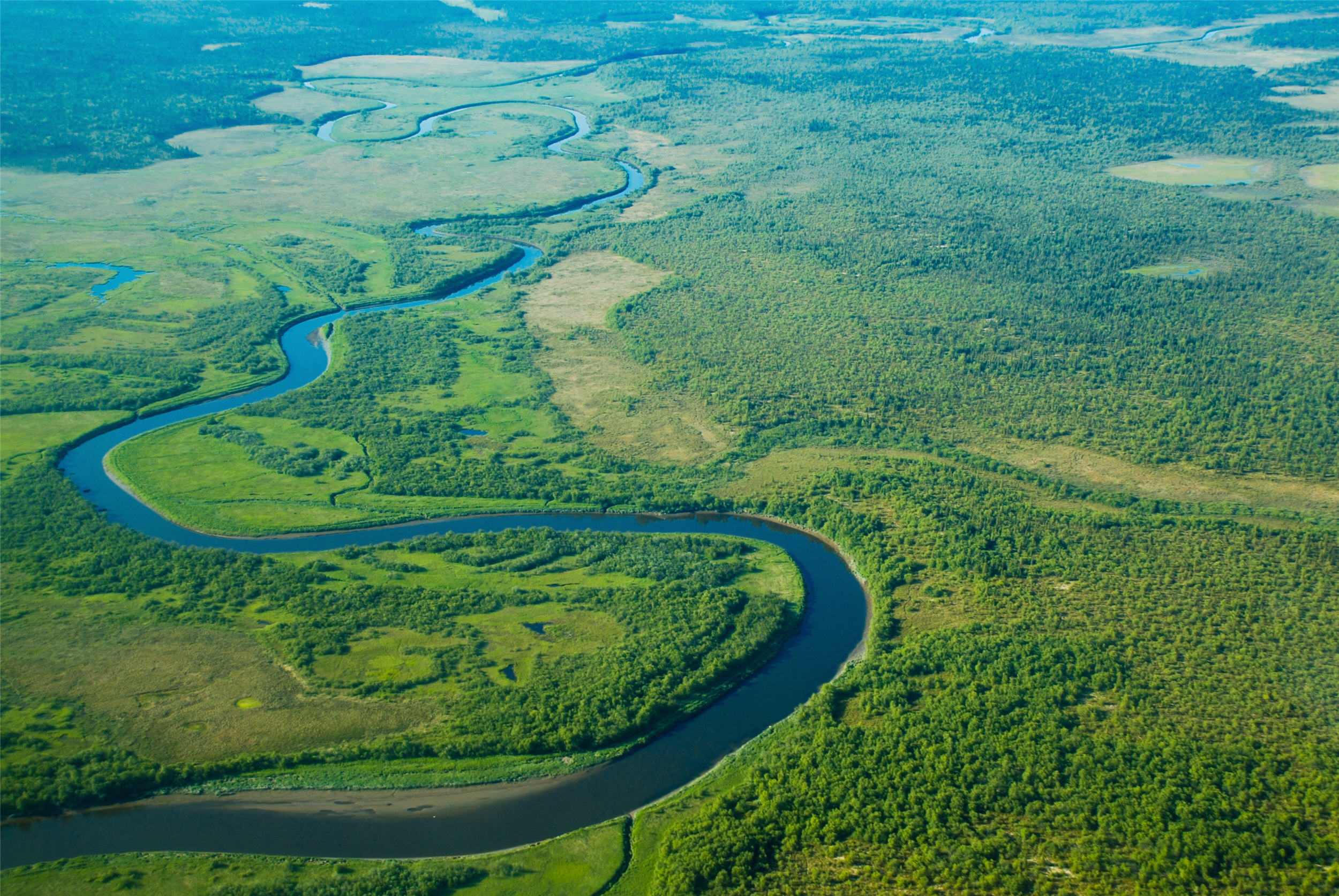
The owners of the proposed Pebble Mine, Northern Dynasty Minerals, are getting desperate. While still alive, the project to build one of the world’s largest mines smack dab in the middle of one of the world’s most significant wild salmon runs has suffered several major setbacks in the past year. Read more “Despite Legislation, Litigation, Pebble Mine on Downhill Slide” →

All Blog Posts

Collaborative Management Key to Forage Fishery Success

  • February 18, 2015October 20, 2021
  • by Colles Stowell
Share it!
Share

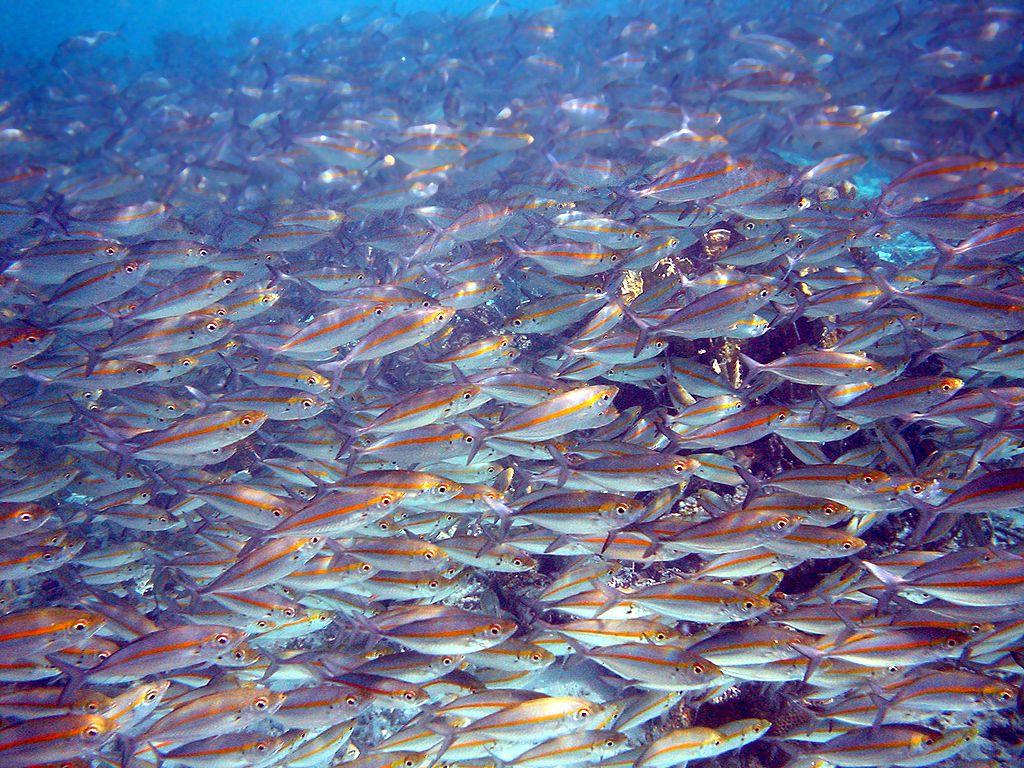
What is a forage fish? What is its intrinsic value? How should we manage these populations given the significant ecosystem, economic and social importance of the fishery? These questions are particularly relevant considering the fishery accounts for anywhere between a quarter and a third of the global seafood harvest. Those are some of the questions discussed during a very fluid, informative session at the 2015 SeaWeb Seafood Summit.

Read more “Collaborative Management Key to Forage Fishery Success” →

All Blog Posts

NOAA Releases 2015 Report On Illegal, Unreported and Unregulated…

  • February 10, 2015October 20, 2021
  • by Colles Stowell
Share it!
Share

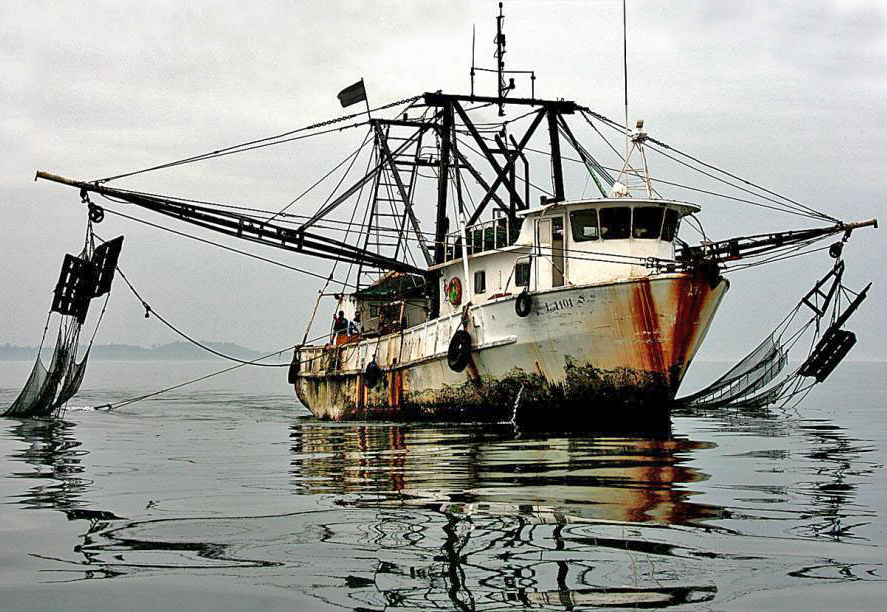
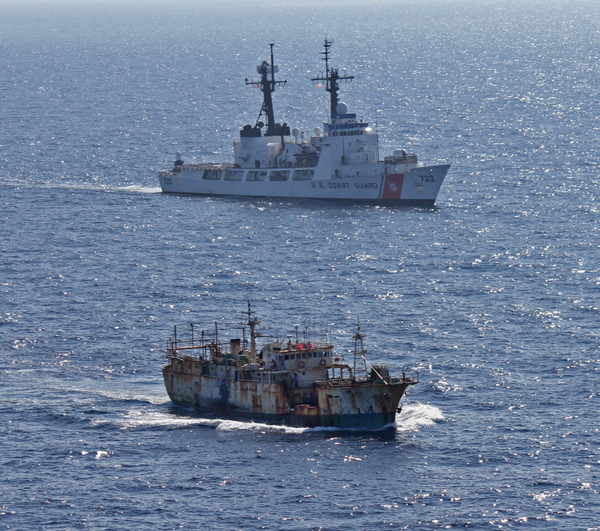
Illegal, unreported and unregulated fishing is a hot topic at the 2015 SeaWeb Seafood Summit. The chief concern is the unfair advantage rule breakers gain, potentially creating a disincentive for those who want to obey the laws. Representatives from NOAA outlined the 15 objectives of the Presidential task force to combat IUU fishing in one of yesterday’s sessions.

So perhaps it’s no coincidence that NOAA today issued its 2015 Biennial Report to Congress highlighting U.S. findings and analyses of foreign IUU fishing activities. The report not only lists countries that have vessels cited for IUU violations and for bycatch of protected species and shark catch on the high seas, but it also lists countries who have made improvements since being cited in the 2013 report.

Colombia, Ecuador, Mexico, Nigeria, Nicaragua, Portugal were listed in the current report as having vessels engaged in IUU activity in 2013 and/or 2014. NOAA Fisheries will press each of these nations to address these activities and improve their fisheries management and enforcement practices relating to IUU fishing.

The 2015 report also notes that 10 nations identified as having vessels engaged in IUU in the previous 2013 Report to Congress have created or changed their management laws to prevent IUU, sanction the cited vessels and improving monitoring and enforcement. The 10 nations are: Colombia, Ecuador, Ghana, Italy, Korea, Mexico, Panama, Spain, Tanzania, Venezuela. Mexico’s certification has been delay until this May because of bycatch of endangered sea turtles.

The U.S. has higher standards than many nations regarding IUU identification and enforcement. And it carries significant influence when pushing nations with vessels in violation to fix the problem. But there is one niggling detail the U.S. should address … and soon: the international treaty that officially governs IUU law.

Eleven nations, including the European Union counting as one, have ratified the treaty. The U.S. Senate has ratified it, but the necessary legislation actually authorizing U.S. involvement with the treaty has not yet passed. The treaty, commonly called the Port State Measures Agreement, needs 25 country ratifications to take full effect.

Congress should act quickly to pass the measure so the U.S. can stand on firm ground when holding other nations accountable for not effectively policing IUU violations.

All Blog Posts

Attending the SeaWeb Seafood Summit

  • February 9, 2015October 20, 2021
  • by Colles Stowell
Share it!
Share

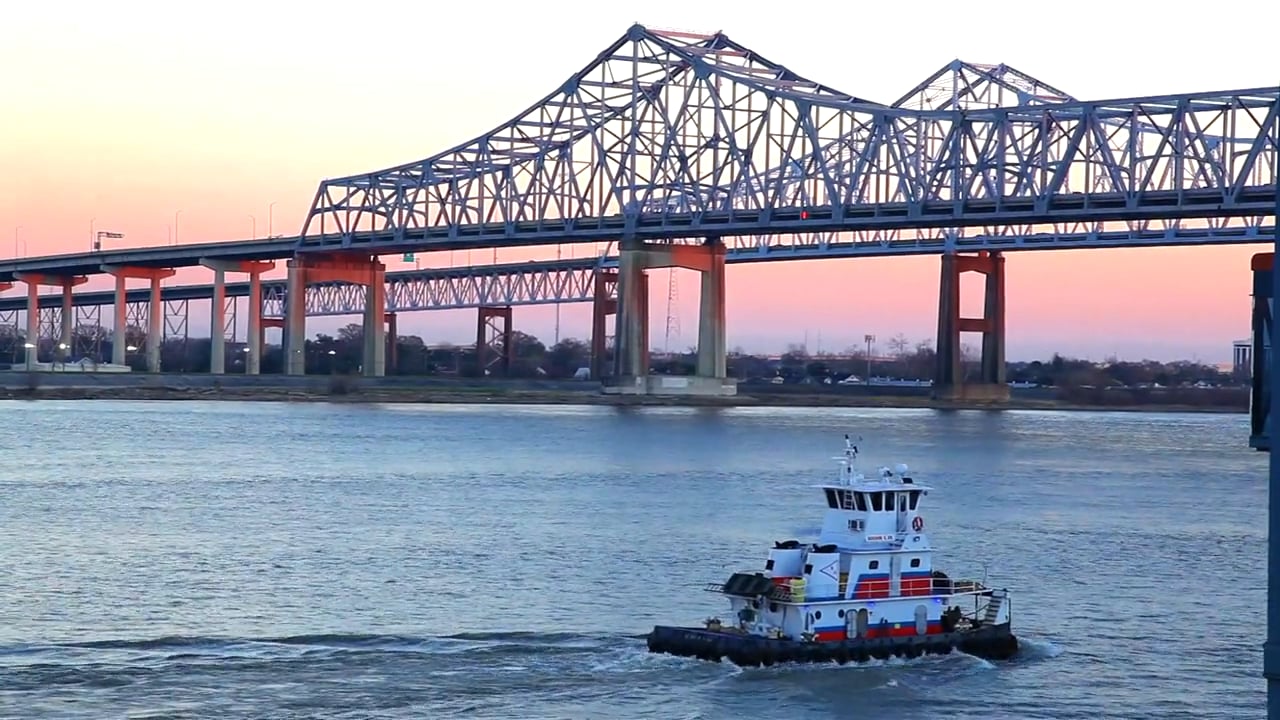
I am in New Orleans attending the SeaWeb Seafood Summit, an international conference focused on sustainability issues. It’s a bit of a homecoming for me. I was born and raised here. It has been several years since I’ve been back, and it will be interesting to see how much has changed. Read more “Attending the SeaWeb Seafood Summit” →

All Blog Posts

Fishermen and Scientists Discuss Climate Change Impacts On Gulf…

  • January 5, 2015October 20, 2021
  • by Colles Stowell
Share it!
Share

This blog originally appeared Jan. 5, 2014 on the Cape Ann Fresh Catch website.

One of the benefits of writing about sustainable seafood is the opportunity to attend informative workshops and conferences about the subject. The Island Institute hosted a workshop in Portland in December 2014 about current and future impacts of climate change on fishing in the Gulf of Maine. The Island Institute is a nonprofit aimed at supporting the state’s island and working waterfronts. Chief among these is the fishing community.

Scientists from NOAA, Gulf of Maine Research Institute (GMRI) and the National Weather Service met with Island Institute representatives and commercial fishermen to discuss everything from rising water temperatures and ocean acidification to current and future predictive modeling technologies. Fishermen described how they’ve had to change tactics as cod fishing has all but stopped and lobster continue to move down east (north and east along Maine’s coastline) following cooler temperatures. They want to know if they can get more accurate, more predictive data to better plan ahead and adapt for upcoming fishing seasons based on the rapid changes.

Make no mistake. Things are changing quickly in the Gulf of Maine (GOM). In fact, ocean temps are rising faster here than anywhere else in the world. And the dynamic modeling presented at the conference was a bit scary. The water temperature has risen by nearly half a degree Fahrenheit per year for the past 10 years. That’s a big increase ¾ one which analysis suggests has had varied impacts on lobster and cod.

Scientist currently think that warming largely comes from the atmosphere, due to increased CO2 levels stemming from human activity. CO2 accounted for 82% of all greenhouse gases (the main contributor to global warming because it traps solar radiation in earth’s atmosphere) in the U.S. in 2012, according to the Environmental Protection Agency. Atmospheric CO2 levels doubled from 1860 to present. Scientists think they will double again in the next 70 years. That could increase global temperatures by several degrees in the same time period … which could have catastrophic impacts on coastal fishing, as well as coastlines, flood zones, real estate, etc.

Then there are the rising acidity levels. Ocean acidification is already occurring. As atmospheric CO2 rises, the ocean PH (which measures acidity) drops. PH levels are measured in very small increments. But when scientists predict PH levels will drop .2 to .4 in 100 years, the ecological impact could be significant. Even slight changes in PH levels could affect the ability of shellfish to develop normally hard shells to fend off disease. The economic impact could be devastating.

Fishermen in attendance talked about seeing cod fishing vanish and watching as lobstering areas have moved up the coast as waters have warmed. The past couple of years have had good to great landing years, but they have come much earlier than normal, and the effect hasn’t necessarily been good for market price. For example, in 2012 there was a glut of lobster on the market with full traps coming early in the season due to warmer water. But the molting season coincided with the prime trapping season, and Maine lobstermen were stuck with low-value product that could not be shipped to Canada (where such shedding lobster are processed) because the plants weren’t open yet. So the industry had a bumper crop, but the downstream effect was a net loss of millions of dollars.

GOM warming also appears to have a negative effect on cod stocks. Andy Pershing, chief scientific officer at GMRI, said his studies so far indicate that warmer water seems to produce fewer cod, meaning catches would be further reduced.

Fishermen at the meeting said they need better communication of trustworthy information so they can more quickly adapt to imminent fishery changes caused by environmental change. But improving the science and infrastructure to be helpful and accessible to fishermen is one thing. Getting lobstermen and fishermen who’ve been doing the same thing for decades to adapt is a much bigger challenge.

One thing is certain. The Gulf of Maine fisheries are changing more rapidly than many northern New England fishermen are really prepared for. Two fishermen from Chatham, Mass. said they’re making much of their living on dogfish and skates and moving further off shore, which is a bigger capital expense. It was a different story 10 years ago, and will be a different story in another 10 years.

Aside from the eye-popping data, the single biggest take-away for me was the kind of collaboration that is essential for developing and maintaining sustainable fisheries. Fishermen sitting down with scientists talking about the data that is now available and the data they would need to make smart decisions. What’s needed next is collaboration with policy makers to effect management plans that will support sustainability and fishermen.


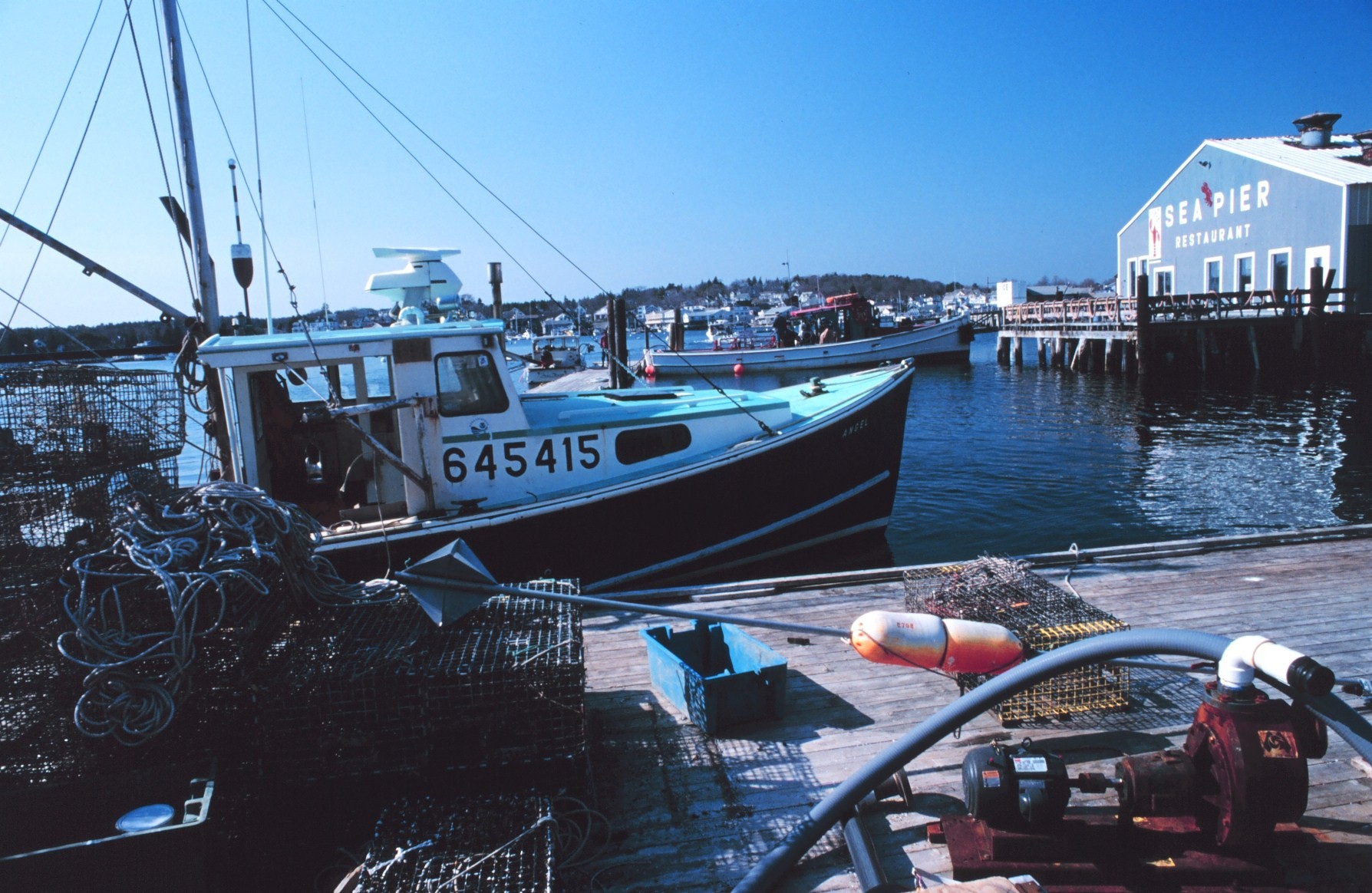
photo: Lobster boat docked at Boothbay Harbor, Maine. William B. Folsom, NMFS

Posts pagination

1 … 7 8 9

Recent Posts

  • Hurricane Ida wreaks havoc on Louisiana’s seafood industry
  • EPA Should Use Clean Water Act To Kill Zombie Mine
  • Slow Fish 2021: Relationship Matters
  • Faith, Façades, and Futility
  • Pebble Permit Paused: Politics at Play

Archives

  • September 2021
  • August 2021
  • April 2021
  • December 2020
  • August 2020
  • June 2020
  • February 2020
  • December 2019
  • November 2019
  • October 2019
  • July 2019
  • May 2019
  • April 2019
  • March 2019
  • January 2019
  • December 2018
  • November 2018
  • June 2018
  • May 2018
  • March 2018
  • February 2018
  • January 2018
  • December 2017
  • November 2017
  • October 2017
  • September 2017
  • August 2017
  • July 2017
  • June 2017
  • May 2017
  • April 2017
  • March 2017
  • January 2017
  • December 2016
  • November 2016
  • October 2016
  • September 2016
  • August 2016
  • July 2016
  • June 2016
  • May 2016
  • April 2016
  • March 2016
  • February 2016
  • January 2016
  • December 2015
  • November 2015
  • October 2015
  • September 2015
  • July 2015
  • June 2015
  • May 2015
  • April 2015
  • March 2015
  • February 2015
  • January 2015
Theme by Colorlib Powered by WordPress